Population table for the Department of La Paz, structured by Municipality/TIOC, Total Population, Men, and Women
Population by Department and Municipality/TIOC – La Paz
Municipality / TIOC
Total Population
Men
Women
Total La Paz
3,030,917
1,504,480
1,526,437
Our Lady of Peace
757,431
366,639
390,792
Finger
21,729
10,902
10,827
Mecapaca
20,446
10,240
10,206
Achocalla
46,188
22,869
23,319
The High
885,825
427,374
458,451
Achacachi
47,257
23,143
24,114
Villa Ancoraimes
16,953
8,472
8,481
Huarina
8,679
4,076
4,603
Santiago de Huata
9,287
4,612
4,675
Huatajata
5,118
2,604
2,514
Cocamino
7,226
3,646
3,580
Corocoro
13,551
6,965
6,586
Caquiaviri
15,570
7,851
7,719
Calacoto
12,219
6,262
5,957
Comanche
5,238
2,547
2,691
Charaña
4,221
2,185
2,036
Waldo Ballivián
6,442
3,546
2,896
Nazacara de Pacajes
4,022
2,050
1,972
Santiago de Callapa
8,037
4,177
3,860
Puerto Acosta
14,012
7,156
6,856
Mocomoco
17,811
9,298
8,513
Port of Carabuco
17,336
9,000
8,336
Humanata
5,658
2,925
2,733
Escoma
8,837
4,461
4,376
Steel
17,830
9,271
8,559
Verse
9,029
4,772
4,257
Aucapata
6,721
3,653
3,068
Sorata
30,083
15,291
14,792
Guanay
16,386
8,758
7,628
Tacacoma
9,761
5,161
4,600
Quiabaya
4,224
2,181
2,043
Combaya
3,529
1,852
1,677
Deception
7,716
4,240
3,476
Mountains
21,843
11,798
10,045
Theopont
13,379
7,310
6,069
Apollo
19,156
10,226
8,930
Pelechuco
9,060
5,280
3,780
Viacha
113,554
56,294
57,260
Guaqui Port
8,592
4,311
4,281
Tiahuanacu
13,648
6,520
7,128
Drain
7,897
3,912
3,985
San Andrés de Machaca (Marka)
7,936
4,046
3,890
Jesús de Machaca
17,016
8,536
8,480
Taraco
7,540
3,626
3,914
Luribay
10,703
5,464
5,239
Sapahaki
16,497
8,322
8,175
Yaco
12,296
6,560
5,736
Mesh
5,297
2,884
2,413
Cairoma
13,598
7,105
6,493
I inquired
18,679
10,079
8,600
Quime
10,887
6,084
4,803
Cajuata
15,565
8,016
7,549
Colquiri
23,505
12,386
11,119
Ichoca
9,552
5,128
4,424
Villa Libertad Licoma
7,877
3,957
3,920
Cheer up
18,303
9,123
9,180
Irupana
23,279
12,803
10,476
Yanacachi
7,615
3,934
3,681
Palos Blancos
27,137
14,341
12,796
The Assumption
45,587
23,906
21,681
Pucarani
49,850
24,339
25,511
Peace
38,652
18,939
19,713
Battles
20,607
9,862
10,745
Puerto Pérez
7,900
3,858
4,042
Sicasica
33,885
17,417
16,468
Umala
9,102
4,634
4,468
Come on, come on
11,258
5,778
5,480
Calamarca
15,327
7,744
7,583
Patacamaya
25,148
12,564
12,584
Colquencha
12,490
6,312
6,178
Necklace
5,526
2,729
2,797
Choroic
27,711
14,271
13,440
Coripata
23,530
12,072
11,458
Ixiamas
12,595
7,090
5,505
Saint Bonaventure
10,105
5,235
4,870
Charge
15,763
8,338
7,425
Curve
6,611
3,553
3,058
Copacabana
17,463
8,481
8,982
San Pedro de Tiquina
9,164
4,625
4,539
Tito Yupanqui
7,525
3,986
3,539
San Pedro de Curahuara
9,217
4,896
4,321
Pampa Paper
6,649
3,558
3,091
Chacarilla
2,052
1,090
962
Santiago de Machaca
6,805
3,408
3,397
Catacora
5,351
2,774
2,577
Caranavi
59,676
31,048
28,628
High Beni
10,585
5,749
4,836
Total municipalities/TIOC: 87
Largest populations: El Alto, La Paz city, Viacha, Caranavi
Gender distribution: Women slightly outnumber men at the departmental level
Population of La Paz by Municipality/TIOC
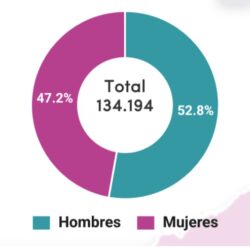
The Department of La Paz is the most populous in Bolivia, with a total population of 3,030,917 inhabitants. Of this total, 1,504,480 are men and 1,526,437 are women, showing a slight predominance of women at the departmental level.
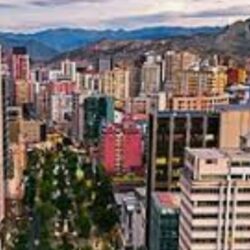
Population distribution is highly concentrated in urban areas, particularly in the metropolitan axis formed by El Alto, La Paz (Our Lady of Peace), and Viacha. El Alto is the largest municipality with 885,825 inhabitants, followed by La Paz city with 757,431, and Viacha with 113,554. Together, these municipalities account for a large share of the department’s total population, reflecting strong urbanization and internal migration.
Beyond the metropolitan area, La Paz has numerous medium-sized municipalities such as Caranavi, Pucarani, Achacachi, Sorata, Palos Blancos, Sicasica, and Coripata, which function as regional service, agricultural, mining, or commercial centers.
A significant portion of the department is made up of small, predominantly rural municipalities, many with populations below 10,000 inhabitants. These areas are closely linked to agriculture, livestock, mining, tourism, and indigenous territories (TIOC), particularly in the Altiplano, Yungas, and Amazonian zones.
Overall, La Paz’s demographic structure highlights:
Strong urban concentration, especially in El Alto and La Paz city
Wide municipal diversity, with 87 municipalities
A slight female majority
A clear contrast between dense urban centers and sparsely populated rural areas
La Paz
More
Cochabamba Population by Municipality and Gender Population of Cochabamba Department according to Municipality, Male and Female Municipality / TIOCTotal PopulationMenWomenTotal2,016,357993,2861,023,071 Municipality / TIOCPopulationMenWomenCochabamba665,505319,373346,132Aiquile23,12311,51311,610Pasorapa6,4753,5042,971Omereque6,7003,4223,278Ayopaya21,81511,55110,264Morochata14,7207,5527,168Cocapata19,60810,6718,937Tarata11,2735,6175,656Anzaldo7,3353,6033,732Arbieto29,37514,18715,188Sacabamba4,9872,5162,471Arani11,1835,3925,791Vacas8,4094,1144,295Arque10,6325,5595,073Tacopaya10,7505,7265,024Capinota19,4279,36510,062Santivañez7,9403,9663,974Sicaya3,9802,0711,909Cliza21,15510,37310,782Toco7,3823,7403,642Tolata8,6874,5984,089Quillacollo166,74180,38386,358Sipe Sipe55,90826,68729,221Tiquipaya61,84029,80532,035Vinto56,06426,94729,117Colcapirhua66,50532,20434,301Sacaba219,092106,199112,893Colomi21,84611,14010,706Villa Tunari93,74750,36243,385Tapacarí24,66612,90011,766Totora14,8217,8236,998Pojo11,8656,1595,706Pocona12,2586,1996,059Chimoré27,52114,63712,884Puerto Villarroel64,59533,53831,057Entre…
Pando Population Municipality and Gender Population of the Department of Pando, structured clearly by Municipality/TIOC, Total Population, Men, and Women Population by Department and Municipality/TIOC…
Beni Population by Municipality and Gender Population of the Department of Beni by municipality and TIOC Population by Department and Municipality/TIOC – Beni Department Total Beni…
Santa Cruz Population by Municipality and Gender The population of Santa Cruz by municipality and Indigenous Autonomous Territory (TIOC), Population by Department and Municipality/TIOC – Santa Cruz…
Potosí Population by Municipality Population by Municipality/TIOC – Potosí Department Total Population: 861,292 Men: 433,507 Women: 427,785 Detailed Population Breakdown Municipality / TIOCTotal PopulationMenWomenPotosí218,702104,539114,163Tinguipaya28,94216,21612,726Yocalla12,2536,2765,977Urmiri3,1211,8521,269Uncía22,76811,67211,096Chayanta16,0218,3347,687Llallagua41,68619,74921,937Chuquihuta…
List of La Paz Municipalities: 87 Municipalities of the Department of La Paz The Department of La Paz is administratively divided into 87 municipalities, listed below:…
Most Populated Municipalities of La Paz Most to least populated of the 87 municipalities of the Department of La Paz Top 10 Most Populated Municipalities of…
Oliver Tambo District Municipality O.R. Tambo District Municipality is situated along the eastern side of the Eastern Cape Province. It is regarded as one…
SNNP (Southern Nations, Nationalities and Peoples) Population according to Zone and Wereda Population of SNNP (Southern Nations, Nationalities and Peoples) Region, Ethiopia, according to Zone and Wereda SNNP Region13,044,044• Gurage-Zone1,870,368Kebena69,262Abeshge81,222Ezha117,812Kokir Gedabano126,271Sodo198,545Mesekan222,876Mareko95,509Endegagn66,159Gumer110,392Cheha166,715Enemorna Ener231,652Muhor…
Population of Botswana Cities and Towns Population Totals of Botswana Cities and Towns Gaborone City – 246,325 Francistown City – 103,417 Lobatse – 29,772 Selibe-Phikwe –…