List of Burkina Faso provinces with regions, capitals, and geographic insights. This complete guide explains all 45 provinces in a clear and simple way.
Administrative Structure of Burkina Faso
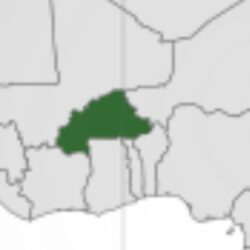
Burkina Faso is a landlocked country in West Africa with a well-organized administrative system designed to support governance, development, and regional planning. Understanding how the country is divided helps students, researchers, travelers, and policy observers better appreciate its political and geographic layout.
At the heart of this structure is the List of Burkina Faso provinces, which forms the second level of administration. Provinces sit below regions and above departments, playing a vital role in local governance and service delivery.
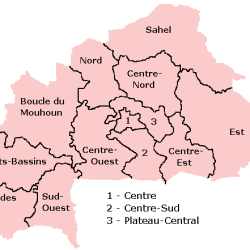
Currently, Burkina Faso is divided into 13 regions and 45 provinces, each with its own capital city. These provinces are grouped geographically into central, eastern, western, northern, and southern zones, reflecting both cultural and environmental differences across the country.
Regions and Provinces in Burkina Faso
Before diving into individual provinces, it’s helpful to understand how regions function:
Regions coordinate large-scale administration and development
Provinces manage local governance
Departments and communes handle grassroots administration
Each province is named after a historical, cultural, or geographic feature and is administered from a provincial capital.
Central Burkina Faso Provinces
Central Burkina Faso is the political and administrative heart of the country. It includes the national capital and surrounding provinces.
Centre Region
Kadiogo – Capital: Ouagadougou Home to Burkina Faso’s capital city, Kadiogo is the most politically significant province.
Centre-Nord Region
Bam – Capital: Kongoussi
Namentenga – Capital: Boulsa
Sanmatenga – Capital: Kaya
These provinces are known for agriculture and traditional Mossi culture.
Centre-Sud Region
Bazèga – Capital: Kombissiri
Nahouri – Capital: Pô
Zoundwéogo – Capital: Manga
This region supports farming and cross-border trade with Ghana.
Plateau-Central Region
Ganzourgou – Capital: Zorgho
Kourwéogo – Capital: Boussé
Oubritenga – Capital: Ziniaré
Eastern Burkina Faso Provinces
Eastern Burkina Faso is rich in wildlife reserves and borders several neighboring countries.
Centre-Est Region
Boulgou – Capital: Tenkodogo
Koulpélogo – Capital: Ouargaye
Kouritenga – Capital: Koupéla
Est Region
Gnagna – Capital: Bogandé
Gourma – Capital: Fada N’Gourma
Komondjari – Capital: Gayéri
Kompienga – Capital: Pama
Tapoa – Capital: Diapaga
Tapoa and Kompienga are especially known for national parks and biodiversity.
Northern Burkina Faso Provinces
Northern regions are characterized by Sahelian climate conditions and pastoral livelihoods.
Nord Region
Loroum – Capital: Titao
Passoré – Capital: Yako
Yatenga – Capital: Ouahigouya
Zondoma – Capital: Gourcy
Sahel Region
Oudalan – Capital: Gorom-Gorom
Séno – Capital: Dori
Soum – Capital: Djibo
Yagha – Capital: Sebba
These provinces face environmental challenges but remain culturally rich.
Southern Burkina Faso Provinces
Southern Burkina Faso receives more rainfall and supports agriculture and tourism.
Cascades Region
Comoé – Capital: Banfora
Léraba – Capital: Sindou
Banfora is famous for waterfalls and scenic landscapes.
Hauts-Bassins Region
Houet – Capital: Bobo-Dioulasso
Kénédougou – Capital: Orodara
Tuy – Capital: Houndé
Houet is one of the most economically active provinces.
Sud-Ouest Region
Bougouriba – Capital: Diébougou
Ioba – Capital: Dano
Noumbiel – Capital: Batié
Poni – Capital: Gaoua
Western Burkina Faso Provinces
Western regions are major agricultural producers and trade corridors.
Boucle du Mouhoun Region
Balé – Capital: Boromo
Banwa – Capital: Solenzo
Kossi – Capital: Nouna
Mouhoun – Capital: Dédougou
Nayala – Capital: Toma
Sourou – Capital: Tougan
Centre-Ouest Region
Boulkiemdé – Capital: Koudougou
Sanguié – Capital: Réo
Sissili – Capital: Léo
Ziro – Capital: Sapouy
Why Provinces Matter in Burkina Faso
Provinces help decentralize power, improve public services, and ensure regional representation. They also play a key role in:
Education administration
Healthcare delivery
Agricultural planning
Local economic development
Understanding the List of Burkina Faso provinces is essential for governance, research, and development work.
1. How many provinces are in Burkina Faso?
Burkina Faso has 45 provinces.
2. How many regions does Burkina Faso have?
The country is divided into 13 regions.
3. What is the largest province by population?
Kadiogo Province is the most populated due to Ouagadougou.
4. What is the role of a provincial capital?
It serves as the administrative center for governance and services.
5. Are provinces the smallest administrative unit?
No, provinces are divided further into departments and communes.
6. Where can I find official administrative data?
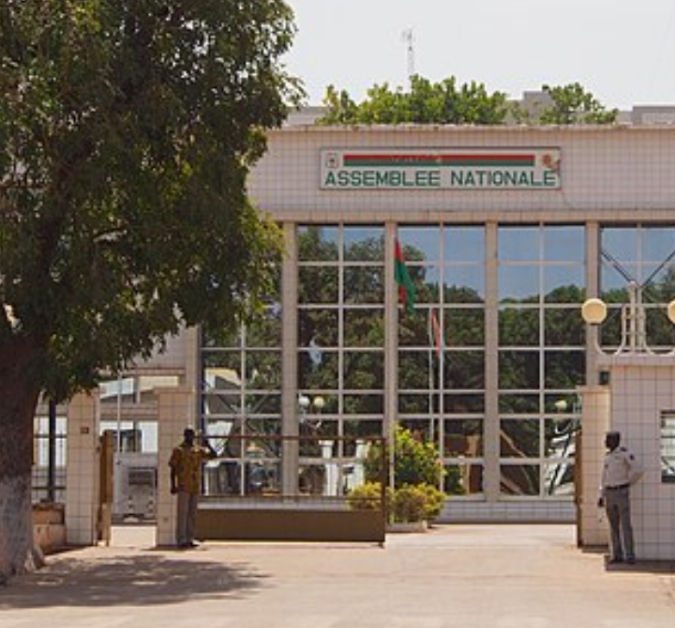
National Assembly building, Ouagadougou, Burkina Faso
Burkina Faso’s provincial system reflects its geography, culture, and administrative needs. By exploring each region and province, readers gain a clearer picture of how the nation functions at a local level. Whether for education, travel, or research, this guide provides a reliable and easy-to-understand overview of the country’s provincial structure.
More
List of Burkina Faso Departments The provinces of Burkina Faso are divided into 351 departments. The well-defined administrative system helps manage its cities, towns, villages,…
List of Burkina Faso airports Burkina Faso has over 30 airports. Thomas Sankara International Airport, Ouagadougou is the busiest. The airports in Burkina Faso are:…
List of Burkina Faso ministers List of Burkina Faso government ministers, 2024 His Excellency Sir Appolinaire Joachimson KYELEM of TambélaThe Prime Minister Colonel Major Kassoum…
List of Burkina Faso regions There are 13 regions (states) in Burkina Faso namely: Boucle du Mouhoun Cascades Centre Centre-Est Centre-Nord Centre-Ouest Centre-Sud Est Hauts-Bassins…
List of Burkina Faso regions and capitals Burkina Faso has 13 states (regions) namely: Boucle du Mouhoun Cascades Centre Centre-Est Centre-Nord Centre-Ouest Centre-Sud Est Hauts-Bassins Nord Plateau-Central…
World Heritage Sites in Burkina Faso UNESCO World Heritage Sites in Burkina Faso are: W-Arly-Pendjari Complex Ruins of Loropéni Ancient Ferrous Metallurgy Sites of Burkina Faso…
Runways of Burkina Faso airports Details of Burkina Faso airports runways Airport RunwayAribinda AirportGrassArly Airport03/21: 4,400 x 118, grassBanfora Airport03/21: 3,750 x 59, grassBarsalogho Airport05/23: 1,920 x 69, grassBobo Dioulasso Airport06/24: 10,800 x…
Burkina Faso airports and their location coordinates The location coordinates of Burkina Faso airports are: Airport CoordinatesAribinda Airport14°12′55″N 0°53′44″WArly Airport11°35′46.9″N 1°28′49.8″EBanfora Airport10°41′21.7″N 4°43′39.1″WBarsalogho Airport13°24′0.1″N 1°3′48.1″WBobo Dioulasso Airport11°9′35.3″N 4°19′52.4″WBogandé Airport12°58′53.0″N 0°9′45.4″WBoromo Airport closed11°45′51.9″N 2°55′47.4″WBoulsa Airport12°39′28.7″N 0°34′7.6″WDano Airport11°8′17.0″N 3°4′27.5″WDédougou…
Burkina Faso airports codes: ICAO, IATA ICAO and IATA codes of Burkina Faso airports The ICAO codes of Burkina Faso airports are: Airport ICAOAribinda AirportDFOYArly AirportDFERBanfora…
Most populated regions in Burkina Faso Burkina Faso 5 most populated regions are: Centre Hauts-Bassins Est Centre-Nord Boucle du Mouhoun List of regions by population, from…