Amoebiasis (also called amoebic dysentery) is an intestinal infection caused by a parasite called Entamoeba histolytica. It can cause diarrhoea, abdominal pain, bloody stools, and, in severe cases, liver abscesses.
Several medicines used to treat amoebiasis. The appropriate medicine depends on whether the infection is limited to the intestines, is causing invasive disease, or is present without symptoms.
Important: The standard treatment for confirmed invasive amoebiasis usually involves two stages: a medicine that kills parasites invading the intestinal tissues, followed by another medicine that clears parasites remaining inside the intestine.
1. Medicines used to treat amoebiasis
The following medicines are used in clinical treatment.
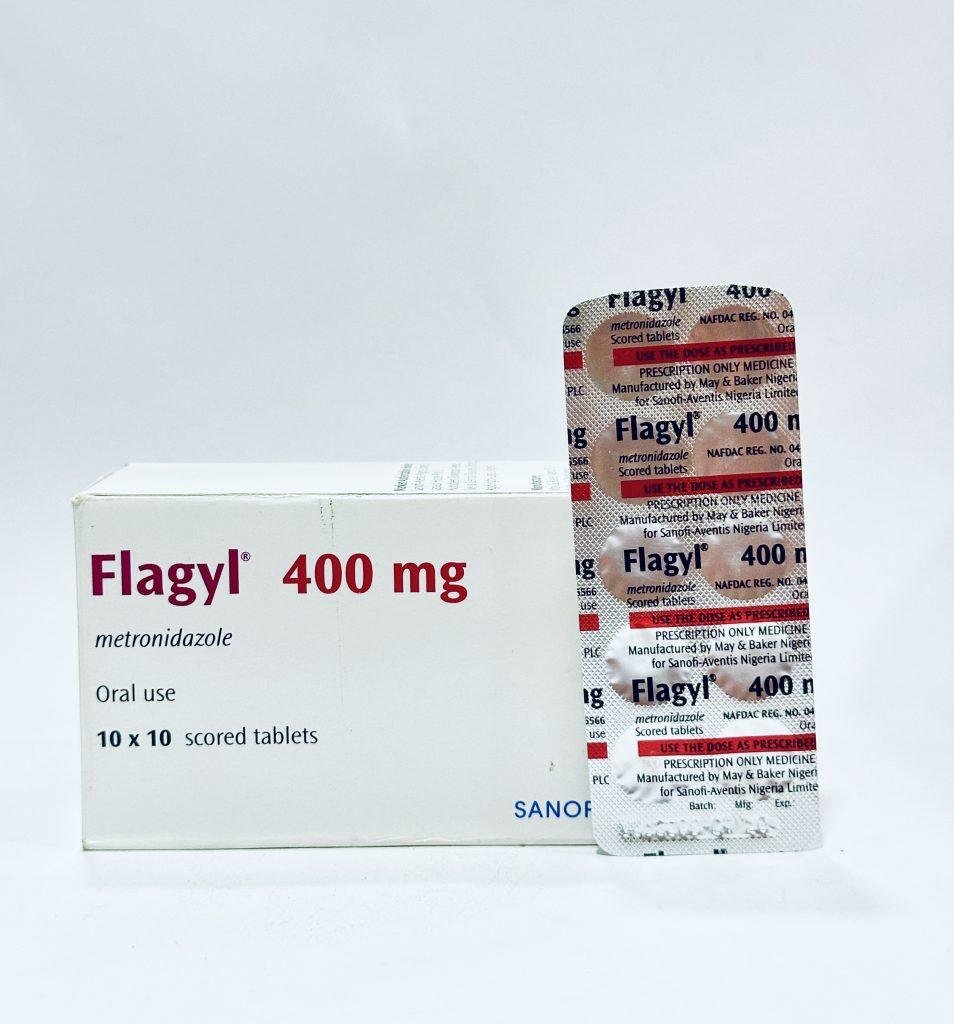
Used for intestinal amoebiasis and amoebic liver abscess.
A Nigerian prescribing reference lists 800 mg three times daily for 5 days for adult amoebic dysentery. Liver abscess requires a different, longer regimen. Prescribing Companion+1
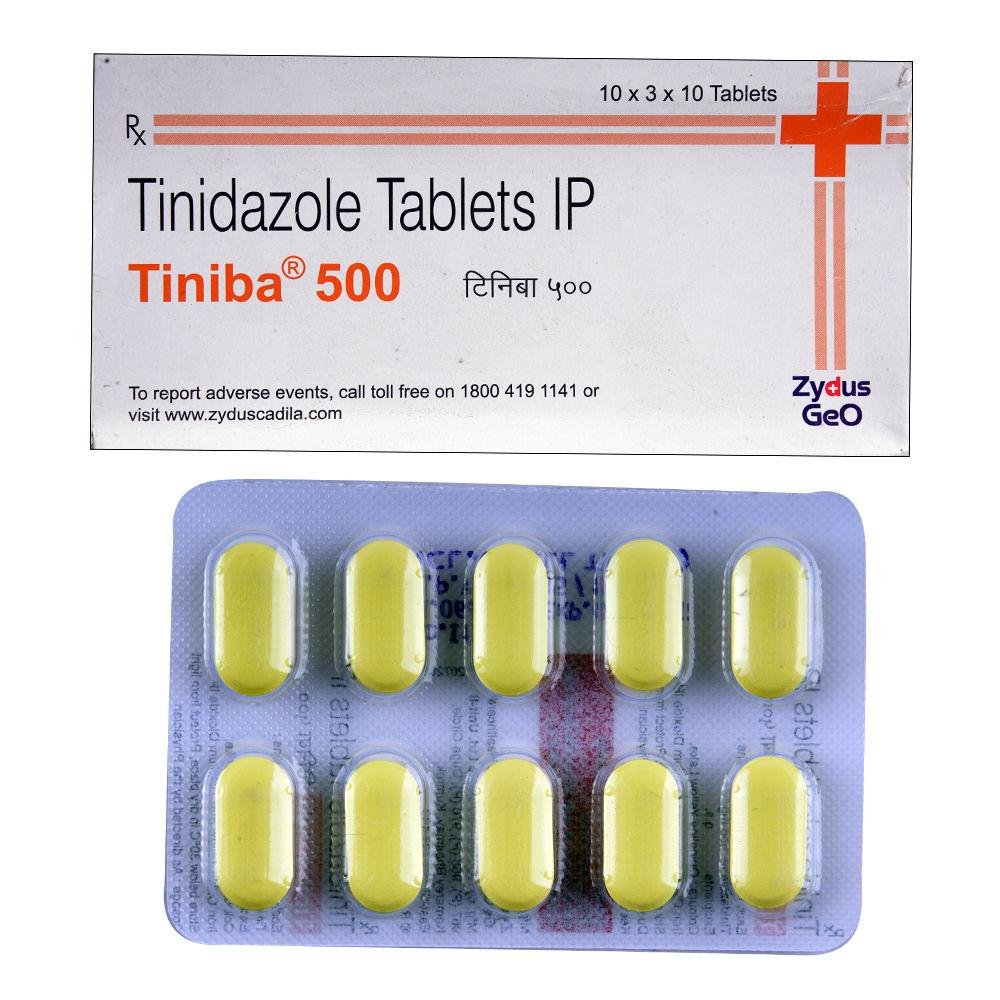
Tiniba 500mg 10 Tablets | Wellness Forever
2. Tinidazole
Alternative to metronidazole.
Used to treat invasive intestinal amoebiasis.
Prescribing reference lists 2 g once daily for 3 days for adult amoebic dysentery. Prescribing Companion+1
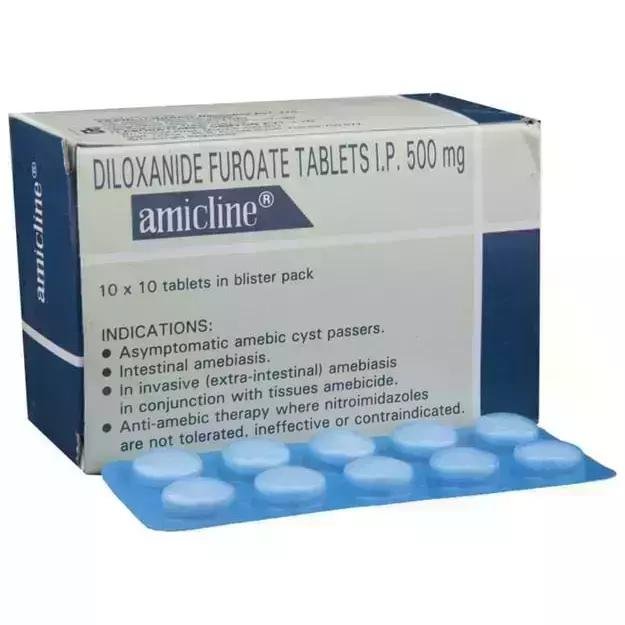
Albom-400 Tablet
3. Diloxanide furoate
Important follow-up treatment
Acts inside the intestine to eliminate remaining amoebae.
Often prescribed after metronidazole or tinidazole for symptomatic invasive amoebiasis.
Nigerian reference adult regimen: 500 mg three times daily for 10 days. Prescribing Companion+1
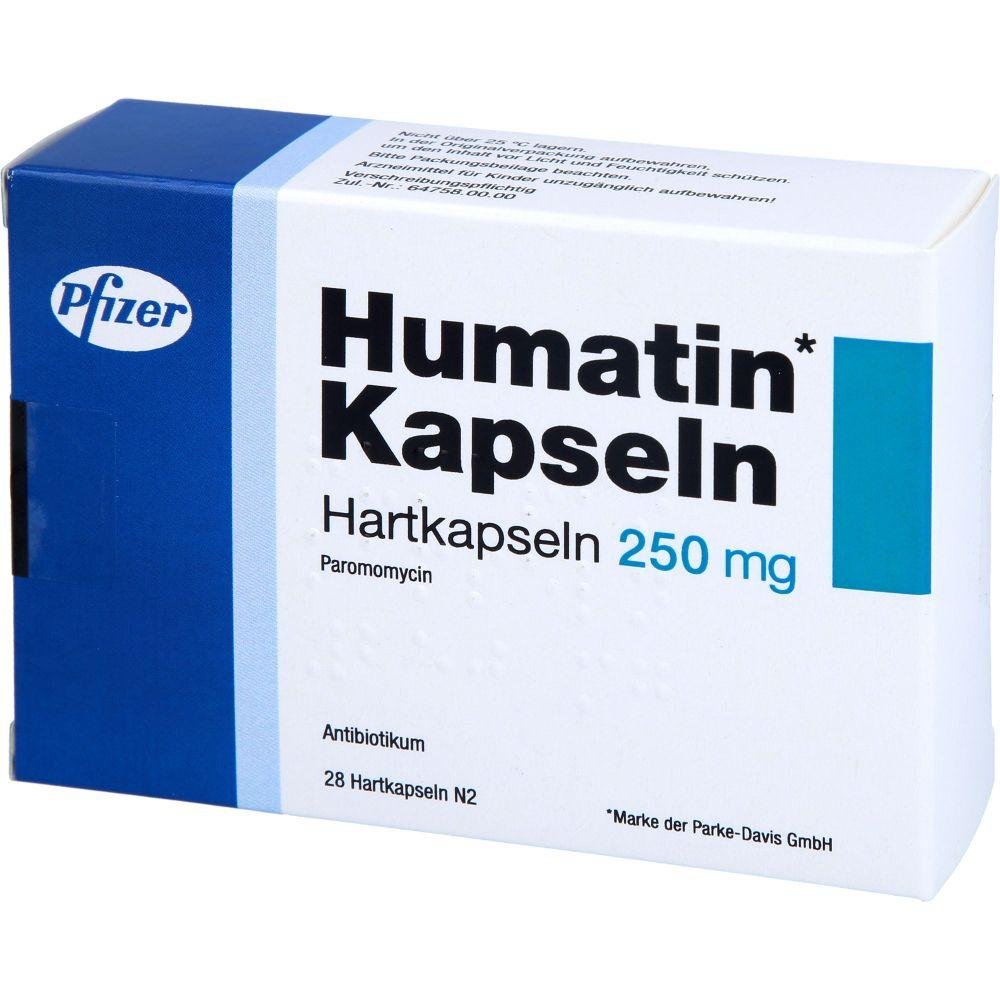
HUMATIN Capsules 28 St – EUMED
4. Paromomycin
A luminal amoebicide that acts inside the intestine.
Can be used after metronidazole or tinidazole.
An alternative when diloxanide furoate is unsuitable or unavailable. NCBI Bookshelf+1
Verifica tu identidad
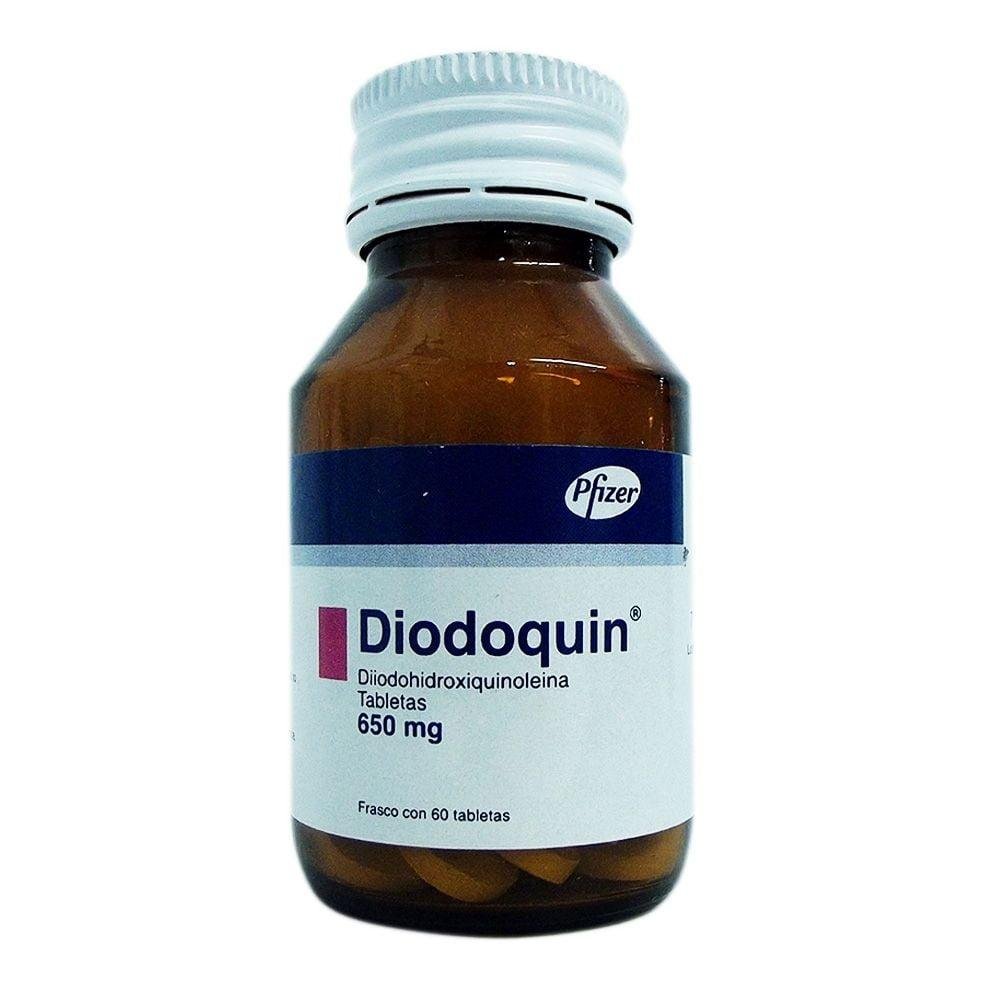
5. Iodoquinol
Another medicine that acts inside the intestine.
Used as an alternative luminal amoebicide.
Availability may vary between Nigerian pharmacies. NCBI Bookshelf+1
2. Common treatment combinations
For confirmed symptomatic amoebiasis, treatment generally follows this pattern:
First medicine
Follow-up medicine
Metronidazole
Diloxanide furoate
Metronidazole
Paromomycin
Tinidazole
Diloxanide furoate
Tinidazole
Paromomycin
The first medicine treats the parasites invading body tissues. The second eliminates parasites remaining in the intestinal cavity.
Why is the second medicine important?
Taking metronidazole alone may improve symptoms without completely eliminating intestinal amoebae. This can result in persistent infection or recurrence. The additional luminal medicine helps eradicate the remaining infection. NCBI Bookshelf+2
3. Supportive treatment
In addition to antiparasitic medicines:
ORS (Oral Rehydration Salts): Replaces water and electrolytes lost through diarrhoea.
Zinc: May be recommended for children with diarrhoea, according to age-specific clinical guidance.
Do not use loperamide or other medicines that stop bowel movements without medical advice if there is bloody diarrhoea or fever.
4. Important precautions
Avoid alcohol while taking metronidazole and follow the medicine’s instructions about when it is safe to resume drinking.
Pregnant women, particularly during the first trimester, should not self-medicate with metronidazole.
Children require weight-based doses.
People with liver disease or other significant medical conditions need individual assessment.
Do not combine metronidazole and tinidazole without a specific medical indication.
5. Tests recommended before treatment
Not every case of diarrhoea or abdominal discomfort is caused by amoebiasis. Other infections, including bacterial dysentery and giardiasis, can produce similar symptoms.
Recommended investigations include:
Stool microscopy: Checks for amoebic cysts and trophozoites.
KATSINA ALA WATER TREATMENT PLANT Benue water treatment and supply projects Benue State government embarked on projects aimed at treating and supplying water to the…