Uzbekistan: Members of the Legislative Chamber of the Oliy Majlis with Full Name and Parliamentary Position / Committee Assignment
Parliamentary Members and Their Committee Positions
No.
Full Name
Parliamentary Position / Committee Assignment
1
Abdullayeva Oydin Utamuradovna
Deputy Chairperson, Committee on Science, Education, Culture, Sports and Youth Affairs
2
Adkhamjonova Mavludaxon Khamzayevna
Member, Committee on Ecology and Environmental Protection
3
Agzamova Gulrukh Anvarovna
Chairperson, Committee on Democratic Institutions and the Development of Civil Society
4
Aldamuratov Bakhitbay Umirzagovich
Deputy Chairperson, Committee on Ecology and Environmental Protection
5
Aminova Aziza Marksovna
Member, Committee on Anti-Corruption and Judicial-Legal Issues
6
Artigov Dilmurod Rakhmatillayevich
Member, Committee on Science, Education, Culture, Sports and Youth Affairs
7
Aslonov Abdullo Ubaydulloyevich
Deputy Chairperson, Committee on Democratic Institutions and the Development of Civil Society
8
Astanakulova Raʼno Khursanovna
Member, Committee on Labour, Healthcare and Social Issues
9
Akhmedov Durbek Kudratillayevich
Deputy Chairperson, Committee on Agrarian and Water Management Issues
10
Azimov Saydullo Neʼmatillayevich
Deputy Chairperson, Committee on International Affairs, Defence and Security
11
Baratova Madina Khasanovna
Member, Committee on Science, Education, Culture, Sports and Youth Affairs
12
Bekmurodov Bobur Mansurovich
Chairperson, Committee on Entrepreneurship, Competition Development and Industry
13
Berdiyeva Barno Saitnazarovna
Member, Committee on Science, Education, Culture, Sports and Youth Affairs
14
Eshboyev Abdulhakim To‘laganovich
Member, Committee on Anti-Corruption and Judicial-Legal Issues
15
Eshmurzayev Bekmirza Khoshimovich
Member, Committee on Ecology and Environmental Protection
16
Fazilov Ravshan Abdulkhayevich
Member, Committee on Entrepreneurship, Competition Development and Industry
17
Gapporov Khayrillo Lutpillaevich
Chairperson, Committee on Ecology and Environmental Protection
18
Ibragimova Mavluda Gakhramonovna
Member, Committee on Innovation Development and Information Technologies
19
Jabborov Nuriddin Muhiddinovich
Member, Committee on Budget and Economic Issues
20
Jumayev Nodir Khosiyatovich
Chairperson, Committee on Science, Education, Culture, Sports and Youth Affairs
21
Kosimova Gizilgul Ermatovna
Member, Committee on Ecology and Environmental Protection
22
Mamutov Ravshan Aminaddinovich
Committee on Agrarian and Water Management Issues
23
Maniyazov Bakhtiyar Kamilovich
Member, Committee on Innovation Development and Information Technologies
24
Mavlonov Zuhriddin Erkinovich
Member, Committee on Anti-Corruption and Judicial-Legal Issues
25
Mirgaziyeva Zukhra Turayevna
Deputy Chairperson, Committee on Innovation Development and Information Technologies
26
Mirzaaliyev Igboljon Mirzakarimovich
Member, Committee on Science, Education, Culture, Sports and Youth Affairs
27
Mukhammedov Maxsud Murodovich
Member, Committee on Agrarian and Water Management Issues
28
Mukhtorova Ministera Abdusatarovna
Chairperson, Committee on Labour, Healthcare and Social Issues
29
Narizova Iba Kushjanovna
Member, Committee on Innovation Development and Information Technologies
30
Nazarov Sharofiddin Khakimovich
Chairperson, Committee on Budget and Economic Issues
31
Olimova Gavkhar Dusbekovna
Member, Committee on Democratic Institutions and the Development of Civil Society
32
Otamuratov Oybek Bakhtiyorovich
Member, Committee on Agrarian and Water Management Issues
33
Otakhonova Odinaxon Inomovna
Member, Committee on Agrarian and Water Management Issues
34
Pak Viktor Nikolaevich
Member, Committee on International Affairs, Defence and Security
35
Palvanov Tokhir Marksovich
Member, Committee on Labour, Healthcare and Social Issues
36
Pardayev Azamat Kenjaboyevich
Member, Committee on Democratic Institutions and the Development of Civil Society
37
Gulmatov Sherzod Doʼstmuradovich
Member, Committee on International Affairs, Defence and Security
38
Radjabova Shoira Nurmatovna
Member, Committee on International Affairs, Defence and Security
39
Rahmonova Zebiniso Po‘latovna
Member, Committee on Ecology and Environmental Protection
40
Rakhmanov Marufjon Maxmudjonovich
Member, Committee on Budget and Economic Issues
41
Sabirov Ruslan Jumanazarovich
Member, Committee on Democratic Institutions and the Development of Civil Society
42
Samiyeva Guzal Mukhitdinovna
Member, Committee on Entrepreneurship, Competition Development and Industry
43
Sharipov Firdavs Kholnazarovich
Member, Committee on Innovation Development and Information Technologies
44
Shirinov Jahongir Jabbarovich
Chairperson, Committee on Anti-Corruption and Judicial-Legal Issues
45
Shodiyev Jasurbek Mamaraymovich
Member, Committee on Budget and Economic Issues
46
Shodmonov Adham Hursanboyevich
Member, Committee on Anti-Corruption and Judicial-Legal Issues
47
Shukurov Rakhmatillo Mirzatillayevich
Member, Committee on Entrepreneurship, Competition Development and Industry
48
Siddigov Riskul Ergashboyevich
Member, Committee on Agrarian and Water Management Issues
49
Sultonov Nuriddin Abdukhamidovich
Member, Committee on Entrepreneurship, Competition Development and Industry
50
Temirov Anvarkhon Abdulazizkhanovich
Member, Committee on Anti-Corruption and Judicial-Legal Issues
51
Tilavoldiyev Nodirbek Khakimovich
Deputy Chairperson, Committee on Democratic Institutions and the Development of Civil Society
52
Tojiyev Odiljon Fotihjon o’g’li
Member, Committee on Labour, Healthcare and Social Issues
53
Tojiyev Kozimjon O‘ktamovich
Member, Committee on International Affairs, Defence and Security
54
Tukhtashev Sherzod Azimovich
Deputy Chairperson, Committee on Anti-Corruption and Judicial-Legal Issues
55
Urazaliyeva Mugaddas O‘ktamovna
Member, Committee on Labour, Healthcare and Social Issues
56
Utemuratova Sapargul Shamshetovna
Deputy Chairperson, Committee on Entrepreneurship, Competition Development and Industry
57
Valiyev Mukhammad Sheralievich
Member, Committee on Anti-Corruption and Judicial-Legal Issues
58
Khalbayeva Dilrabo Djurabekovna
Deputy Chairperson, Committee on Agrarian and Water Management Issues
59
Khalmuratova Guljan Pirjanovna
Member, Committee on Innovation Development and Information Technologies
60
Khodjayeva Mavludakhon Islamovna
Deputy Speaker of the Legislative Chamber of the Oliy Majlis
61
Khodjayeva Mokhira Mirzakhmadovna
Member, Committee on Labour, Healthcare and Social Issues
62
Kholmakhmatova Shakhnoza Bakhtiyor girl
Member, Committee on Innovation Development and Information Technologies
63
Khudayberdiyev Zafar Rakhimovich
Member, Committee on Democratic Institutions and the Development of Civil Society
64
Khudoyarova Gulshana Berdinazarovna
Member, Committee on Anti-Corruption and Judicial-Legal Issues
65
Yokubov Tuychi Abdurakhmonovich
Member, Committee on Science, Education, Culture, Sports and Youth Affairs
66
Yuldashev Oybek Bahodir o‘g‘li
Member, Committee on Anti-Corruption and Judicial-Legal Issues
67
Yunusov Ziyodbek Alisherovich
Member, Committee on Democratic Institutions and the Development of Civil Society
68
Yusupov Navruzbek Mukimjonovich
Member, Committee on Democratic Institutions and the Development of Civil Society
69
Zakhidov Erkin Agzamovich
Member, Committee on Entrepreneurship, Competition Development and Industry
70
Zayniyev Farkhod Nuritdinovich
Deputy Chairperson, Committee on Entrepreneurship, Competition Development and Industry
71
Zokhidov Zokirjon Tukhtasinovich
Member, Committee on Agrarian and Water Management Issues
The Legislative Chamber of Uzbekistan: Members, Parliamentary Committees and Their Roles in National Governance
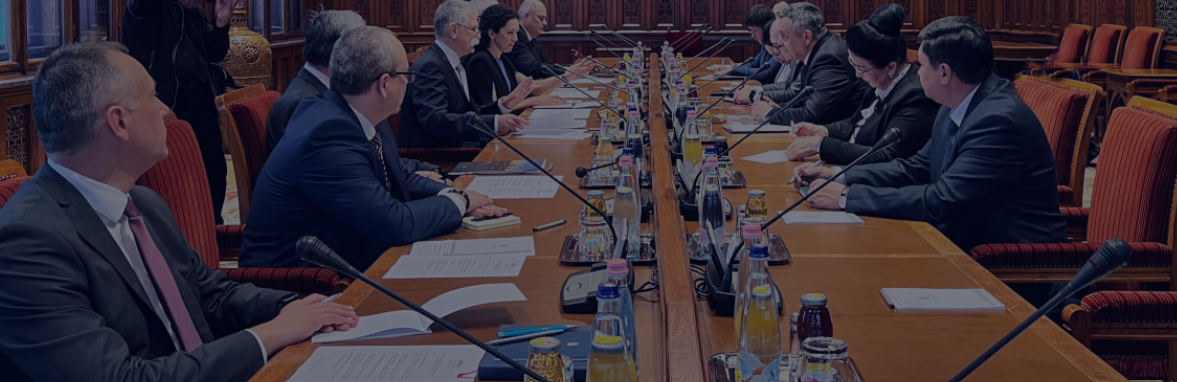
The Legislative Chamber of the Oliy Majlis of the Republic of Uzbekistan plays a central role in the country’s legislative process, parliamentary oversight and democratic governance. As the lower house of Uzbekistan’s bicameral parliament, it is responsible for considering and adopting legislation, examining government policies, representing citizens’ interests and contributing to the development of the country’s political, economic and social institutions.
The composition of the chamber and the distribution of its members across parliamentary committees reflect the broad range of responsibilities entrusted to the national legislature. These responsibilities extend across important areas such as education, healthcare, environmental protection, agriculture, economic development, international relations, national security, technological innovation and the fight against corruption.
The list of parliamentary members comprises 71 individuals and provides an insight into their committee affiliations and leadership positions. It offers insight into the institutional organization of the Legislative Chamber and the different policy areas through which its members participate in parliamentary activities.
The Structure and Institutional Importance of the Legislative Chamber
The Oliy Majlis is the supreme representative body of state power in Uzbekistan and consists of two chambers: the Legislative Chamber and the Senate. The Legislative Chamber serves as the lower house and has a direct role in examining legislative proposals, debating national policy priorities and exercising parliamentary oversight.
Its constitutional responsibilities include monitoring the implementation of the national budget, reviewing reports from the Chamber of Accounts, considering candidates for the positions of Prime Minister and members of the Cabinet of Ministers, and hearing government reports on major social and economic developments. The chamber also has the authority to submit parliamentary inquiries to public officials and employ other mechanisms of parliamentary control. O‘zbekiston Respublikasi Hukumat
These responsibilities make the Legislative Chamber an important institution in Uzbekistan’s governance framework. Through its legislative and oversight functions, it provides a parliamentary platform for examining government performance, addressing public concerns and establishing legal frameworks for national development.
Parliamentary Committees and Their Areas of Responsibility
Parliamentary committees are essential to the effective functioning of the Legislative Chamber. They allow deputies to concentrate on specific policy sectors, examine legislative proposals in detail and conduct preliminary assessments of matters that may subsequently be considered by the full chamber.
The official parliamentary website identifies ten principal committees covering the country’s major policy areas. These include agriculture and water resources, budget and economic affairs, democratic institutions and civil society development, innovation and information technologies, anti-corruption and judicial affairs, labour and social affairs, entrepreneurship and industrial development, education and culture, international relations, and environmental protection.
The responsibilities of these committees can be understood through several important policy areas.
1. Science, Education, Culture, Sports and Youth Affairs
The Committee on Science, Education, Culture, Sports and Youth Affairs focuses on policy matters affecting the country’s educational institutions, scientific development, cultural heritage, sporting activities and younger generations.
Its work is particularly important for strengthening the quality of education, supporting scientific research, improving access to learning opportunities and encouraging youth participation in national development.
Education and youth development are closely connected to Uzbekistan’s long-term economic and social objectives. Parliamentary attention to these areas helps ensure that legislation and government initiatives address the needs of students, teachers, researchers, cultural institutions and young people.
2. Ecology and Environmental Protection
Environmental protection is an increasingly important area of public policy, particularly in countries facing challenges involving water scarcity, land degradation, air pollution and climate change.
The Committee on Ecology and Environmental Protection addresses legislative and policy matters relating to environmental conservation, the sustainable use of natural resources and the protection of ecological systems.
Its responsibilities are relevant to Uzbekistan’s environmental priorities, including improving waste management, protecting biodiversity, strengthening environmental regulations and promoting sustainable development.
3. Democratic Institutions and Civil Society Development
The Committee on Democratic Institutions and Civil Society Development focuses on the institutional and legal foundations of democratic governance and public participation.
Its policy area encompasses the development of civil society organizations, the strengthening of democratic institutions, citizen engagement and the legal environment within which public associations and other civic structures operate.
The committee’s work is significant because effective democratic institutions depend on transparent governance, public participation, accountability and respect for established legal procedures.
4. Anti-Corruption and Judicial-Legal Affairs
The Committee on Anti-Corruption and Judicial-Legal Affairs addresses issues associated with preventing corruption, improving legal institutions and strengthening the administration of justice.
Its work is important for promoting accountability in public administration, improving the effectiveness of legal safeguards and supporting confidence in government institutions.
Parliamentary consideration of anti-corruption measures also contributes to the development of stronger institutional controls and more transparent public-sector practices.
5. Labour, Healthcare and Social Affairs
The Committee on Labour, Healthcare and Social Affairs deals with policy matters that directly affect citizens’ living conditions and social welfare.
Its areas of responsibility include employment, labour relations, healthcare services, social protection and the legal frameworks governing workers’ rights and social support.
These issues are central to national development because economic growth must be accompanied by improvements in living standards, access to essential services and opportunities for decent employment.
6. Agrarian and Water Management Issues
Agriculture and water management are strategically important to Uzbekistan’s economy, food security and rural development.
The relevant parliamentary committee examines legislative and policy issues concerning agricultural production, water resources, rural economic activities and the development of the agrarian sector.
Given the importance of irrigation and water availability to agriculture in Uzbekistan, parliamentary attention to this sector is essential for supporting efficient water management, modern agricultural practices and sustainable rural livelihoods.
7. Budget and Economic Affairs
The Committee on Budget and Economic Affairs focuses on public finance, economic policy and the management of national financial resources.
Its work is closely connected to parliamentary oversight of budget implementation and the examination of economic priorities.
The committee’s responsibilities are particularly important for assessing public expenditure, supporting fiscal accountability and examining the financial implications of government policies and legislative proposals.
8. Entrepreneurship, Competition Development and Industry
The Committee on Entrepreneurship, Competition Development and Industrial Affairs addresses issues relating to private enterprise, market competition, industrial development and the business environment.
Its policy area is significant for encouraging investment, supporting small and medium-sized businesses, promoting fair competition and strengthening the productive capacity of the national economy.
A supportive business environment can contribute to employment creation, industrial modernization, innovation and broader economic diversification.
9. Innovation Development and Information Technologies
The Committee on Innovation Development and Information Technologies focuses on technological progress, digital transformation and the development of innovation-driven economic activities.
Its work is relevant to the modernization of public services, the expansion of digital infrastructure, the development of information technology industries and the adoption of new technologies across different sectors.
As digitalization becomes increasingly important to economic competitiveness and public administration, this policy area has a significant role in shaping Uzbekistan’s technological development.
10. International Affairs, Defence and Security
International relations, defence and security are important components of Uzbekistan’s national policy framework.
The relevant parliamentary responsibilities include examining matters relating to international cooperation, inter-parliamentary relations, national security and defence policy.
Through parliamentary engagement in these areas, the Legislative Chamber contributes to the consideration of international agreements, diplomatic cooperation and legislative matters affecting national security and foreign relations.
Leadership Positions and Parliamentary Responsibilities
In addition to ordinary committee membership, the list identifies several deputies holding leadership positions, including committee chairpersons and deputy chairpersons.
Committee chairpersons have important responsibilities in organizing committee activities, coordinating the examination of legislative proposals, presiding over committee meetings and overseeing the preparation of reports and recommendations.
Deputy chairpersons support these responsibilities and may assist in coordinating committee work and ensuring continuity in its activities.
The list also identifies Khodjayeva Mavludakhon Islamovna as Deputy Speaker of the Legislative Chamber. The Deputy Speaker’s responsibilities are associated with the organization and coordination of parliamentary proceedings and the effective functioning of the chamber.
Leadership positions are institutionally significant because they help determine how parliamentary business is organized, how policy matters are examined and how committee activities contribute to the chamber’s overall legislative agenda.
The Role of Parliamentary Members in National Development
The deputies serving in the Legislative Chamber have responsibilities that extend beyond participating in parliamentary debates and voting on proposed legislation. Their work also involves examining public policy, representing their constituencies, engaging with government institutions and contributing to the development of national priorities.
Through committee assignments, deputies can concentrate on specific areas of public administration and legislation. This specialization helps improve the quality of parliamentary examination by allowing members to develop knowledge of particular sectors and assess the potential consequences of proposed laws.
For example, deputies working on economic and budgetary matters contribute to discussions about public expenditure and economic management, while those assigned to environmental and agricultural committees address issues affecting natural resources, food production and rural communities.
Similarly, members involved in education, healthcare and social affairs contribute to discussions about human development, public services and social protection.
The distribution of parliamentary responsibilities across these policy areas demonstrates the importance of specialized legislative work in addressing the diverse needs of Uzbekistan’s population.
Parliamentary Oversight and Government Accountability
One of the most important functions of the Legislative Chamber is parliamentary oversight. This function allows deputies to examine government activities and assess whether public institutions are fulfilling their responsibilities in accordance with national laws and established policy objectives.
Under the Constitution, the chamber exercises oversight over the implementation of the State Budget, hears reports from the Chamber of Accounts and receives reports from the Prime Minister and members of the Cabinet of Ministers. It can also submit parliamentary inquiries to officials of state institutions. O‘zbekiston Respublikasi Hukumat
These mechanisms provide an institutional framework for reviewing government performance, identifying administrative challenges and examining issues of public importance.
Parliamentary oversight is particularly relevant in areas such as public finance, infrastructure development, education, healthcare, environmental protection and economic regulation. Through committee discussions and parliamentary proceedings, deputies can examine policy implementation and contribute to identifying areas that require legislative or administrative attention.
The Importance of Parliamentary Representation
The Legislative Chamber also serves as an important channel through which citizens’ interests and concerns can be brought into national decision-making.
Deputies have an important role in maintaining connections between parliamentary institutions and the wider population. By considering public concerns, examining constituency-related issues and participating in legislative discussions, they contribute to the representation of different social and economic interests.
This representative function is particularly important in a country with diverse regional, economic and demographic characteristics.
The effectiveness of parliamentary representation depends not only on the number of deputies but also on their participation in legislative activities, their engagement with citizens and their ability to contribute constructively to policy development.
Contribution to Uzbekistan’s Political and Economic Development
The work of the Legislative Chamber is closely connected to Uzbekistan’s broader development objectives. Legislative decisions and parliamentary oversight can influence the regulatory environment, public administration, investment conditions and the delivery of essential public services.
In the economic sector, parliamentary work on entrepreneurship, competition, industrial development and budgetary policy contributes to the legal and institutional environment in which businesses operate.
In the social sector, legislative attention to healthcare, education, employment and social protection supports the development of public services and the protection of citizens’ interests.
Environmental and agricultural policy discussions are equally important because sustainable economic development depends on responsible resource management, effective water-use policies and the protection of natural ecosystems.
Meanwhile, committees dealing with innovation, information technologies and international relations address issues that are increasingly relevant to the country’s long-term competitiveness and position in the international community.
The combined work of these parliamentary structures provides an important institutional foundation for addressing national development challenges through legislation, oversight and public representation.
Parliamentary Members and Committee Assignments
The accompanying directory contains 71 names of individuals identified as members of the Legislative Chamber of the Oliy Majlis of the Republic of Uzbekistan, together with their respective committee affiliations and leadership positions.
The entries cover a broad range of parliamentary responsibilities, including:
Science, education, culture, sports and youth affairs.
Ecology and environmental protection.
Democratic institutions and civil society development.
Anti-corruption and judicial-legal affairs.
Labour, healthcare and social affairs.
Agrarian and water management issues.
Budget and economic affairs.
Entrepreneurship, competition development and industry.
Innovation development and information technologies.
International affairs, defence and security.
The directory also identifies committee chairpersons, deputy chairpersons and a Deputy Speaker, illustrating the different levels of responsibility within the parliamentary structure.
It is important to distinguish this compiled list from a fully verified, current parliamentary directory. Parliamentary membership, committee assignments and leadership positions can change over time. The official website of the Legislative Chamber provides the institutional committee directory and should be consulted when confirming current appointments.
The Legislative Chamber of the Oliy Majlis remains a central institution in Uzbekistan’s legislative and governance system. Through its lawmaking responsibilities, parliamentary oversight functions and specialized committees, it contributes to the development of national policies and the establishment of legal frameworks across major sectors of public life.
The 71-member directory presented alongside this article provides an organized overview of individuals identified in the supplied material and their respective parliamentary responsibilities. Their committee affiliations illustrate the breadth of issues addressed within the Legislative Chamber, from economic development and environmental protection to education, social welfare, technological innovation and international relations.
Understanding the composition and responsibilities of the chamber offers valuable insight into Uzbekistan’s parliamentary institutions and the mechanisms through which national legislation, public accountability and policy development are pursued.
Ultimately, the effectiveness of the Legislative Chamber depends on the active participation of its deputies, the quality of its legislative work and its ability to translate national priorities and citizens’ concerns into effective laws and accountable public institutions.
NYSC PLACE OF PRIMARY ASSIGNMENT At the end of the orientation, Corps members are posted to their place of primary assignment. While the NYSC Management…
Uzbekistan Members of Parliament Uzbekistan’s parliamentary deputies, including their photographs, constituency information, political party affiliations and committee memberships. Akramova Zulayho AbdurazovnaParty affiliation: People’s Democratic…
GIFMIS Code for JUDICIARY SERVICE COMMITTEE, FCT ABUJA The GIFMIS Code for JUDICIARY SERVICE COMMITTEE, FCT ABUJA is: JUDICIARY SERVICE COMMITTEE, FCT ABUJASNREVENUE NUMBERREVENUE ITEM DESCRIPTION11000274783 Reference: gifmis.gov.ng/grr-number/…
Report of the Vision 2010 Committee (1997) The Committee undertook an in-depth study of the compensation package in the Civil Service and made far-reaching recommendations for improvement.…
Justice Fatai Williams Committee (1990) Justice Fatai Williams Committee (1990) was a salary and wage review commission in Nigeria. This Commission was set up to…