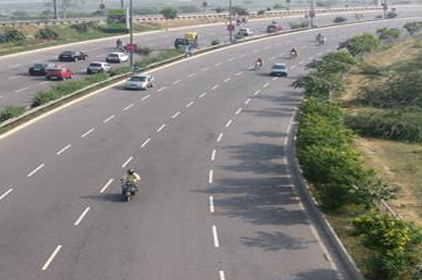
The Mieso-Dire Dawa Expressway is a 160-kilometer road project that aims to modernize the existing road into an expressway standard with private sector participation.
Regions Covered: Oromia and Somali Regional States
Key Stakeholders in the Project
Several entities are involved in the planning and execution of this expressway:
Ethiopian Roads Authority (ERA) – Leading the project’s implementation
Public-Private Partnership Directorate General – Overseeing the PPP process
Private Investors – Expected to finance, build, operate, and maintain the expressway under a Build-Operate-Transfer (BOT) model
Project Scope and Objectives
The Mieso-Dire Dawa Expressway project aims to:
✅ Enhance road connectivity between Mieso and Dire Dawa ✅ Improve trade logistics by offering a modern transport route to Dire Dawa, a key commercial hub ✅ Facilitate economic growth in the Oromia and Somali regions ✅ Encourage private investment in Ethiopia’s transport sector ✅ Reduce traffic congestion and travel time along the corridor
Financial Structure and Cost Estimation
The total estimated cost of the project is $445 million, with funding sourced from private investors under a PPP model.
Project Component
Details
Total Road Length
160 km
Estimated Cost
$445 million
Investment Model
Build-Operate-Transfer (BOT)
Project Duration
25-30 years
Revenue Source
Toll collection
Under the BOT model, private investors will finance the construction, operate the road for 25-30 years, collect toll revenues, and then transfer the expressway back to the Ethiopian government.
Procurement Mode and PPP Structure
The Ethiopian government has opted for competitive bidding to select a private partner. The expressway will be developed using the Build-Operate-Transfer (BOT) model, which involves:
🔹 Design: The private partner designs the expressway to meet modern standards 🔹 Build: The investor constructs the road infrastructure 🔹 Finance: The private sector funds the project upfront 🔹 Operate: The investor manages the road and collects tolls to recover costs 🔹 Maintain: The road is maintained by the private operator for sustainability 🔹 Transfer: After the concession period, the road is handed back to the government
Benefits of Public-Private Partnerships (PPPs) in Infrastructure Development
PPPs play a vital role in Ethiopia’s infrastructure sector by offering:
✔️ Reduced government financial burden ✔️ Access to private sector efficiency and innovation ✔️ Better road maintenance and long-term sustainability ✔️ Job creation during construction and operation phases ✔️ Revenue generation through toll collection
Challenges in PPP Implementation
Despite the benefits, PPP projects face several challenges:
⚠️ Regulatory hurdles that can delay approvals ⚠️ Uncertainty in toll revenue collection and financial sustainability ⚠️ Potential resistance from the public against toll roads ⚠️ Long approval processes that may slow down execution
Expected Impact on Ethiopia’s Transportation Network
🚗 Reduced travel time: The expressway will allow faster movement between Mieso and Dire Dawa 🚛 Improved trade routes: The road will facilitate smoother transportation of goods to key markets 🏗 More private sector investments: This project will encourage further PPP initiatives in Ethiopia
Sustainability and Environmental Considerations
The project is expected to incorporate:
🌱 Eco-friendly construction materials 🌍 Measures to reduce vehicle emissions on the expressway 🏞 Infrastructure that minimizes environmental impact on local ecosystems
Expected Timeline and Project Milestones
📅 Feasibility Study: Ongoing 📅 Bidding Process: Expected in the coming months 📅 Construction Start: Within 1-2 years 📅 Completion & Operation: Within 5-7 years
International Funding and Investment Opportunities
Ethiopia is actively seeking international investors and financial institutions to fund PPP projects. Possible funding sources include:
African Development Bank (AfDB)
World Bank
Private equity infrastructure funds
Future Prospects for PPP Projects in Ethiopia
Ethiopia is poised for more PPP projects in key sectors such as:
✔️ Highway and road expansion ✔️ Renewable energy projects ✔️ Airport and railway infrastructure
The Mieso-Dire Dawa Expressway is a major infrastructure project that underscores Ethiopia’s commitment to modernizing its road network through Public-Private Partnerships (PPPs). By leveraging private sector investment, the project aims to improve connectivity, boost trade efficiency, and establish a sustainable toll-based road management system.
With effective execution, this project is expected to drive economic growth, enhance regional trade, and set a benchmark for future PPP initiatives in Ethiopia.
Frequently Asked Questions (FAQs)
❓ What is the purpose of the Mieso-Dire Dawa Expressway? The project aims to enhance connectivity, reduce travel time, and support economic growth in Oromia and Somali regions.
❓ How is the project funded? The expressway is financed through a Public-Private Partnership (PPP) model, where private investors finance, build, and operate the road.
❓ What is the PPP model used for this project? The Build-Operate-Transfer (BOT) model, where the private investor operates the road for 25-30 years before transferring it to the government.
❓ What is the estimated completion timeline? The project is expected to be completed within 5-7 years after the bidding process is finalized.
❓ How will the toll system work? Tolls will be collected by the private investor to recover costs and ensure long-term road maintenance.
More
Awash – Mieso Expressway The Awash-Mieso Expressway is a 72-kilometer road project designed to improve connectivity between Awash and Mieso. The Ethiopian government has…
Adama-Awash Expressway The Adama-Awash Expressway is a 125-kilometer road project designed to improve connectivity between the cities of Adama and Awash. The…
DIRE DAWA Population according to Zone and Wereda Population of DIRE DAWA Region, Ethiopia, according to Zone and Wereda DIRE DAWA551,000• SPECIAL ENUMERATION AREAS142,000Moyale Special Census Wereda77,150Afdem Special…
List of DIRE DAWA Areas Weredas and Zones of DIRE DAWA Region, Ethiopia SPECIAL ENUMERATION AREAS Moyale Special Census WeredaAfdem Special Census Wereda Meda Welabu…
Flag of Dire Dawa, Ethiopia Flag of Dire Dawa (City) Ethiopia administrative divisions Regions The first level administrative division in Ethiopia is a region, also called…