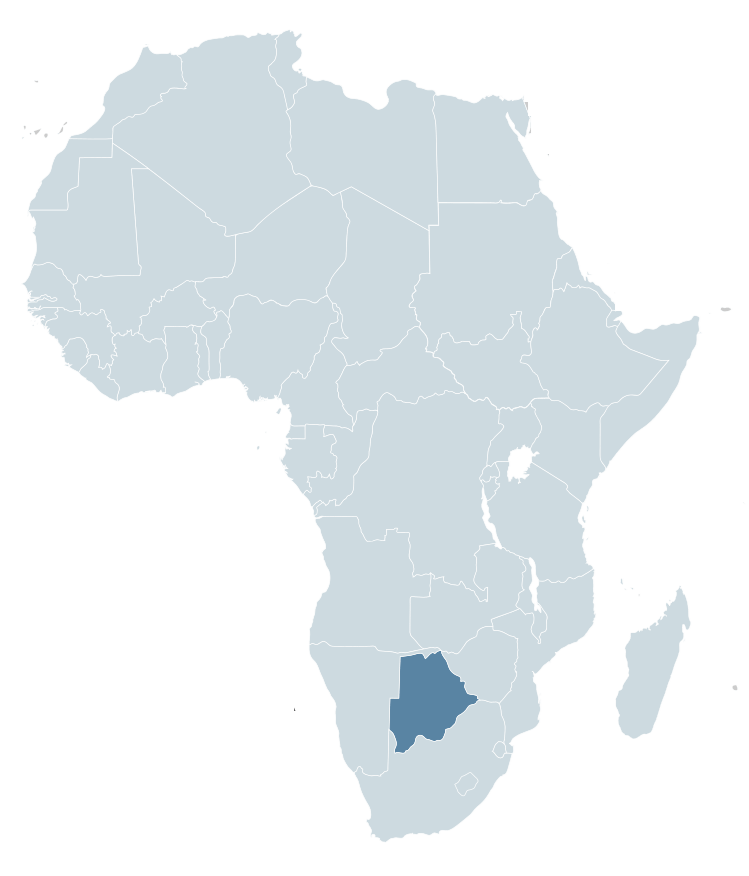
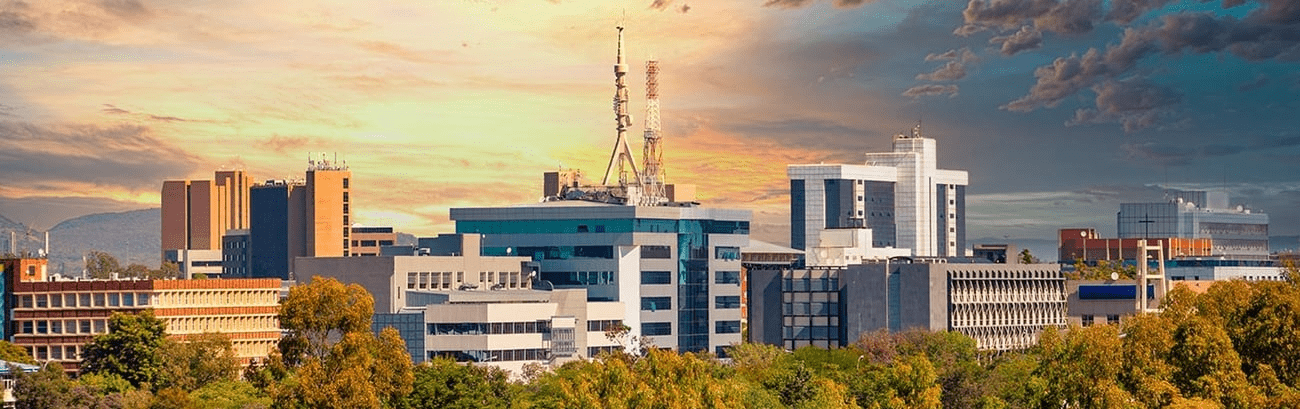
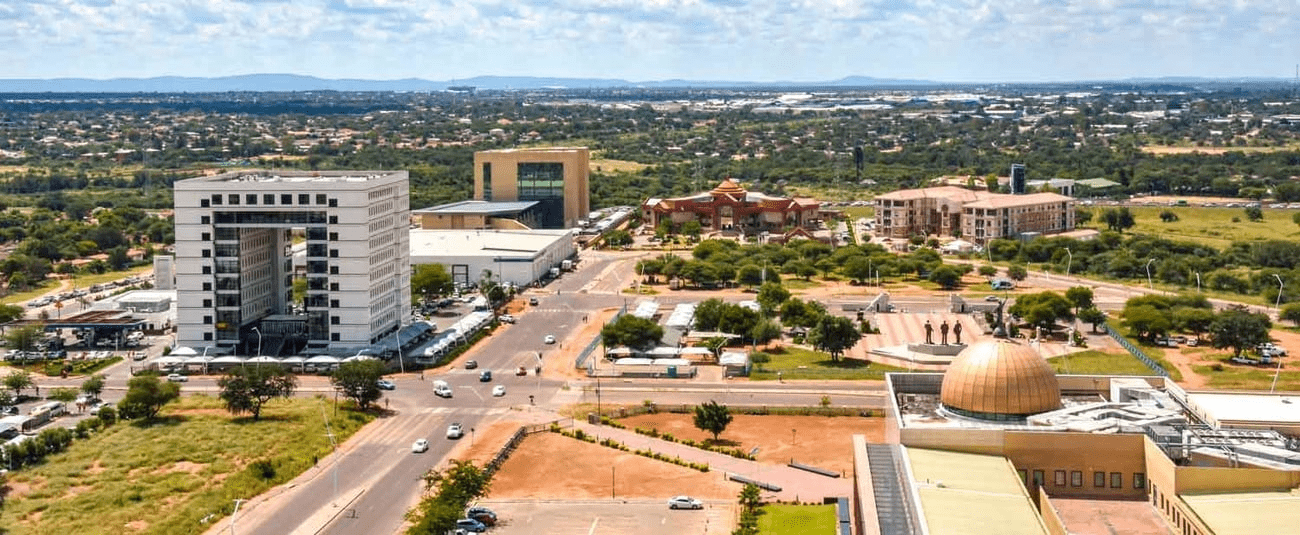
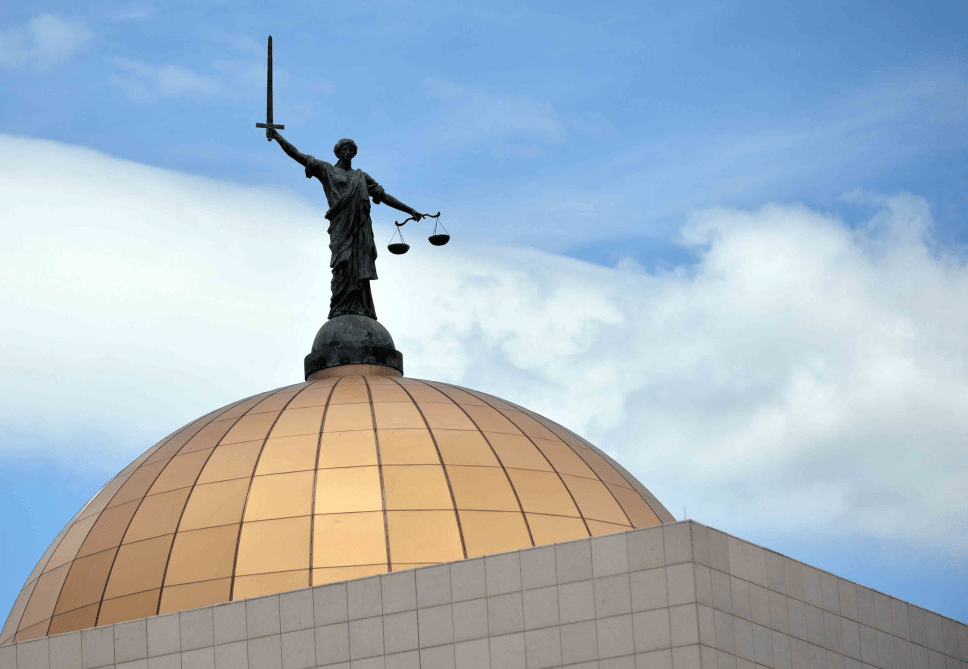
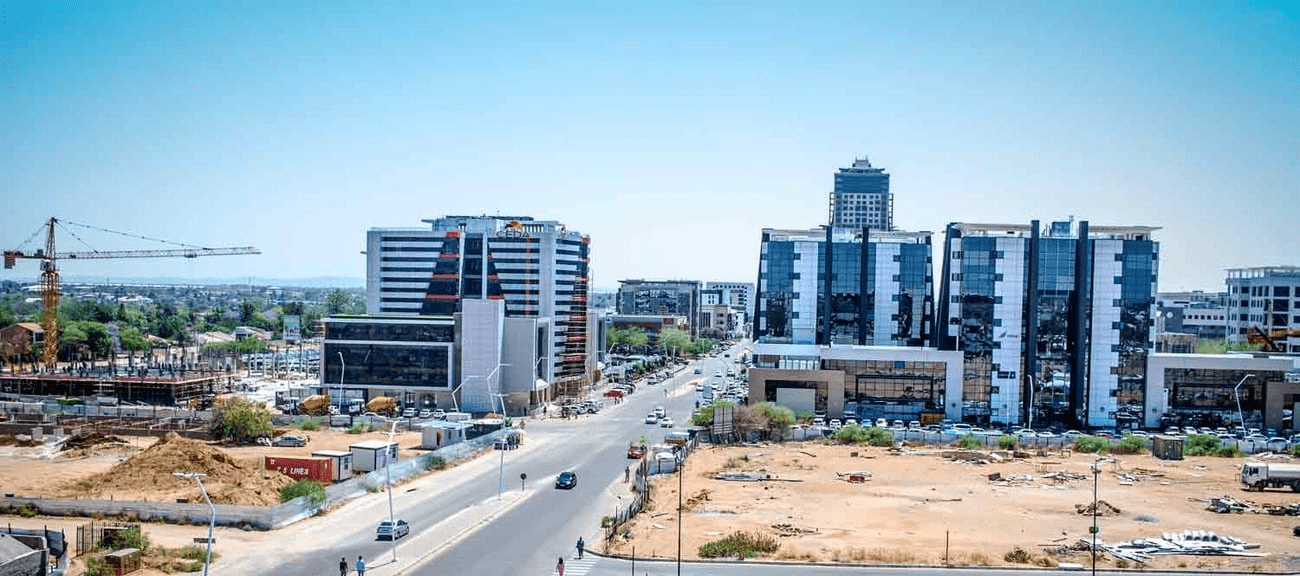
Botswana is a country in Africa. It is topographically flat, with approximately 70 percent of its territory being the Kalahari Desert.
It is bordered by South Africa to the south and southeast, Namibia to the west and north, and Zimbabwe to the northeast.
Capital: Gaborone Currency: Botswanan Pula Official language: English Population: 2.588 million (2021) World Bank Dialing code: +267 Gross Domestic Product: 17.61 billion USD (2021) World Bank
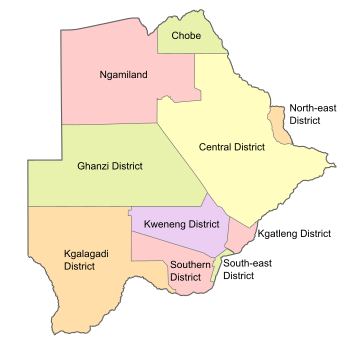
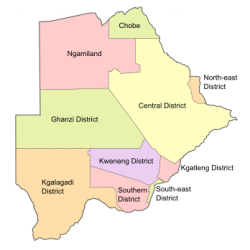
Botswana’s ten districts are:
Southern District
South-East District
Kweneng District
Kgatleng District
Central District
North-East District
Ngamiland District
Kgalagadi District
Chobe District
Ghanzi District
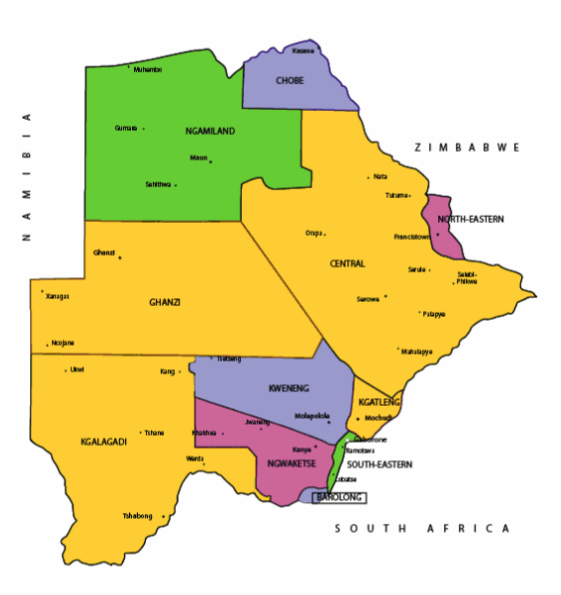
Botswana’s councils created from urban or town councils are: Gaborone City, Francistown, Lobatse Town, Selebi-Phikwe Town, Jwaneng Town, Orapa Town and Sowa Township.
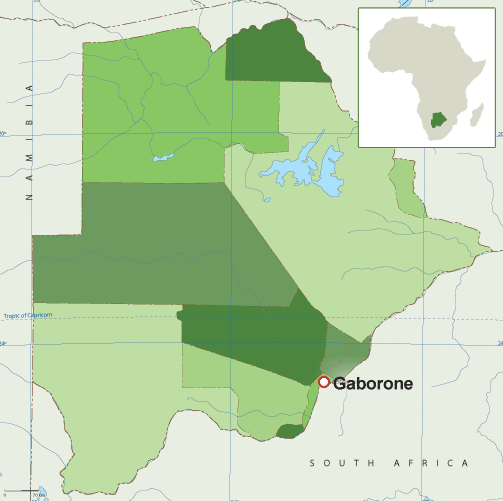
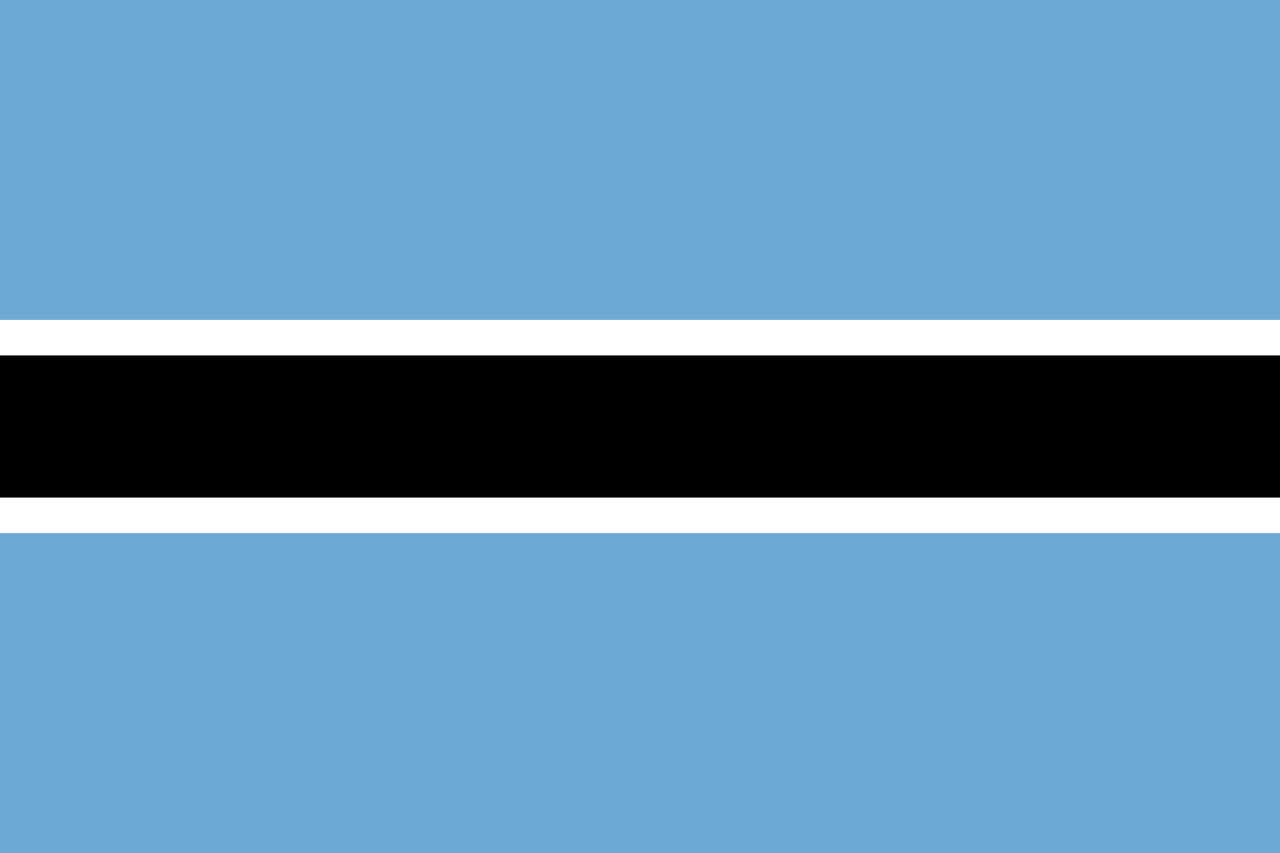
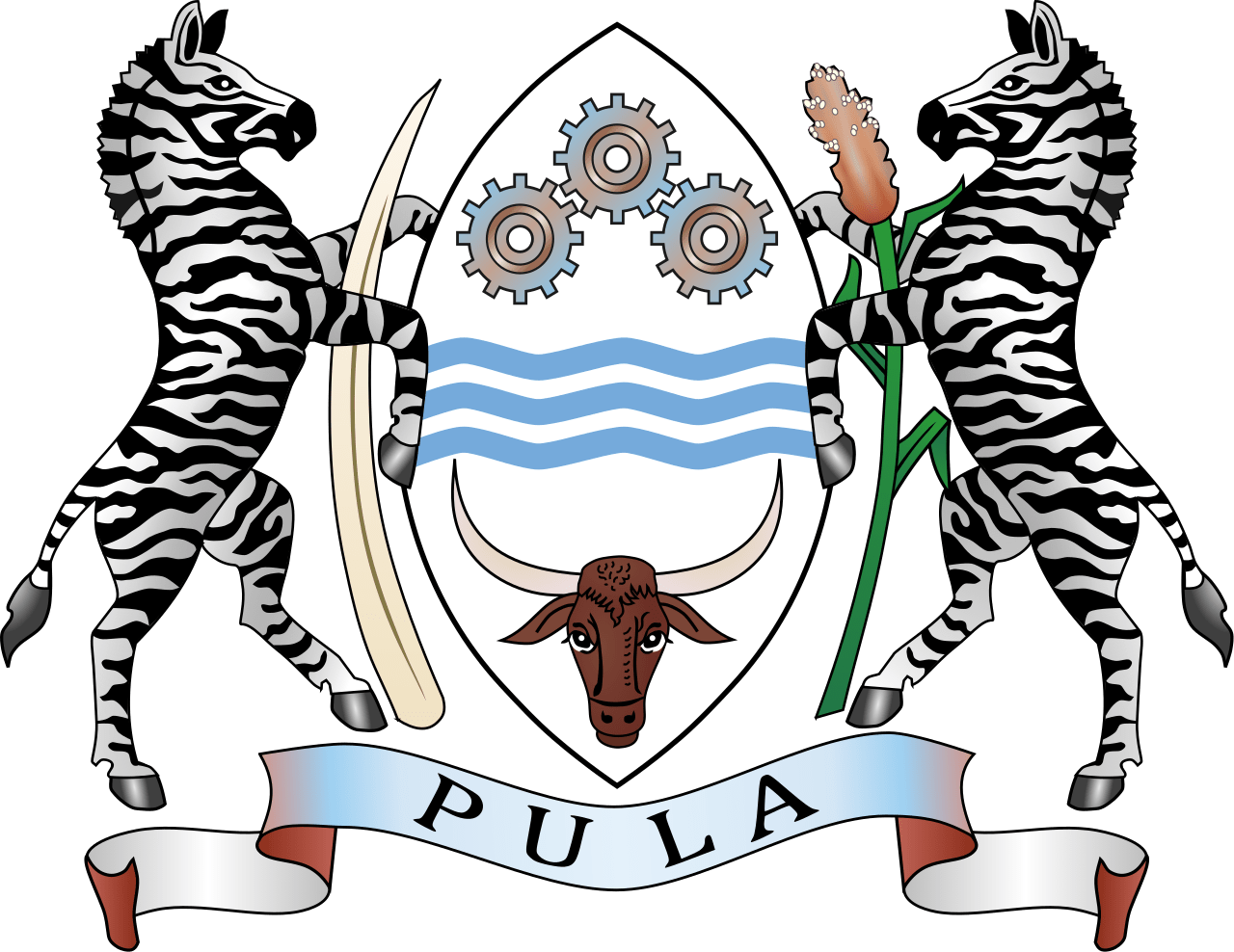
Districts of BotswanaMap of BotswanaMap of BotswanaMaps of Africa showing BotswanaFlag of Botswana Coat of arms of Botswana
The name Botswana refers to ‘Land of the Tswana’. The landlocked, Southern Africa country is officially known as the Republic of Botswana.
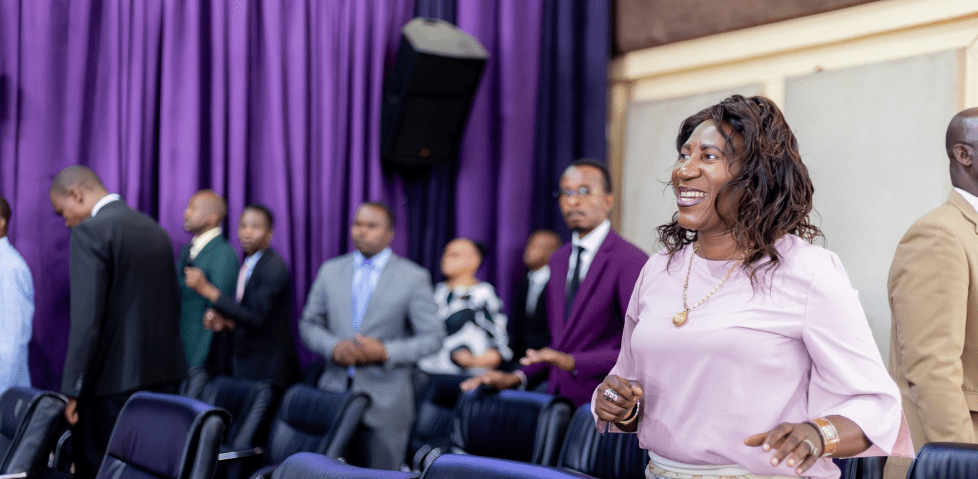
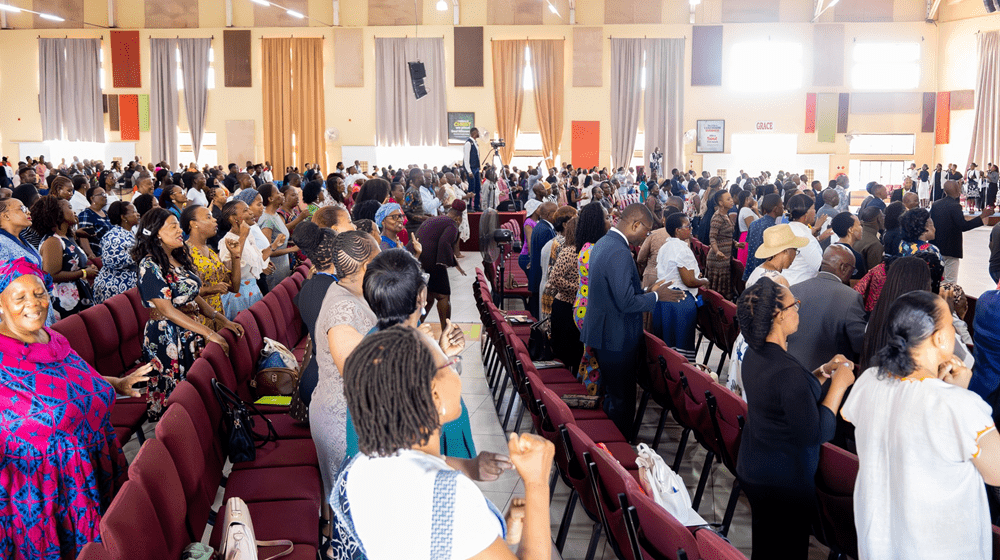
Living Faith Church (Winners’ Chapel) Gaborone, BotswanaWinners’ Chapel, GaboroneGaborone
Botswana is connected to Zambia through the Kazungula Bridge making it the world’s shortest border between two countries.
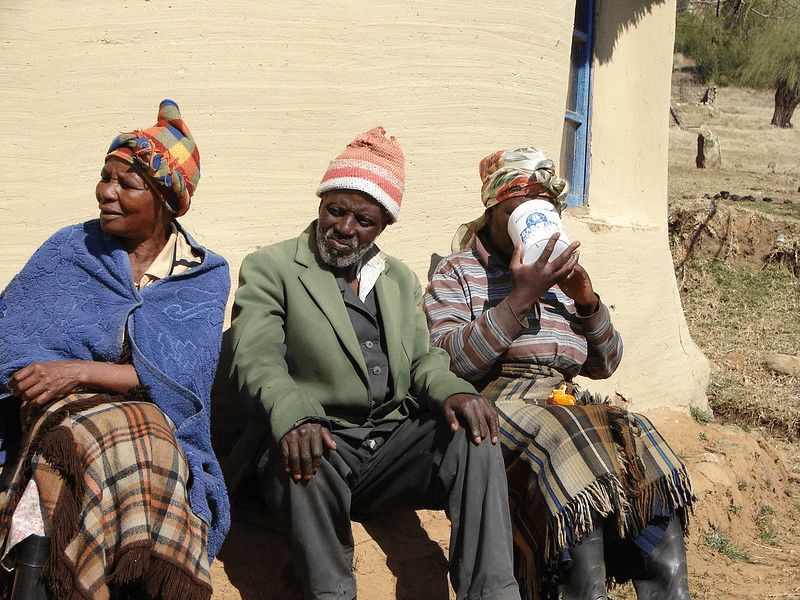
A country of slightly over 2 million people (2021), Botswana is one of the most sparsely populated countries in the world. It is essentially the nation state of the Tswana ethnic group, who make up 79% of the population.
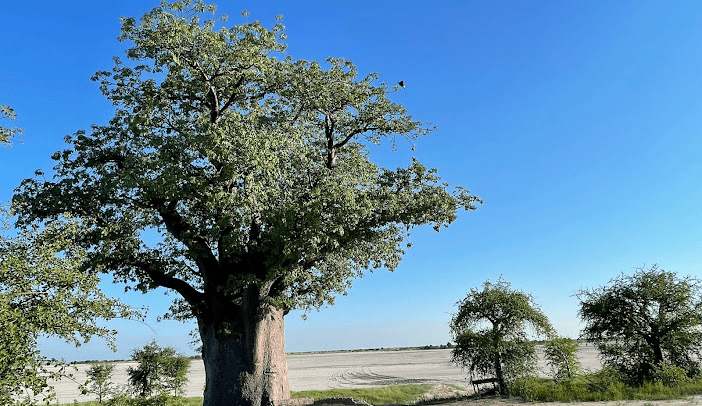
Makgadikgadi Pans National Park, Botswana
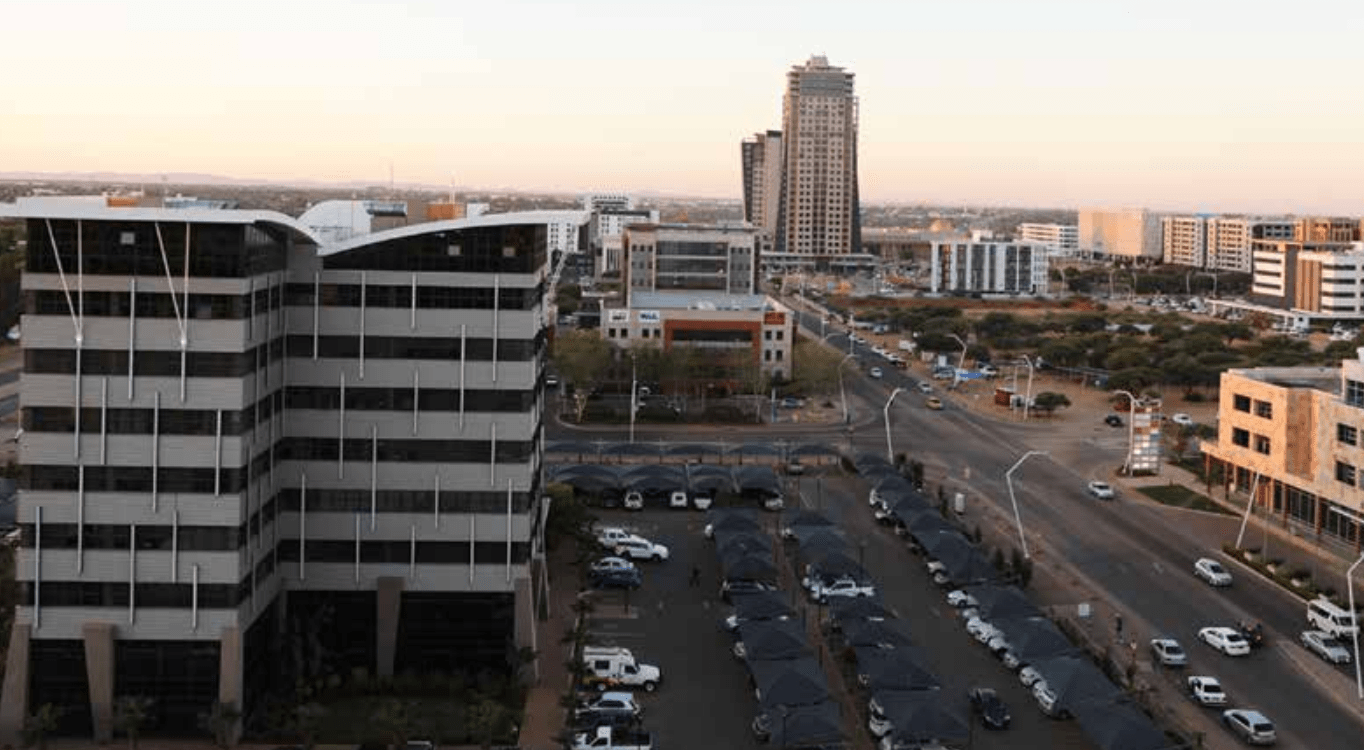
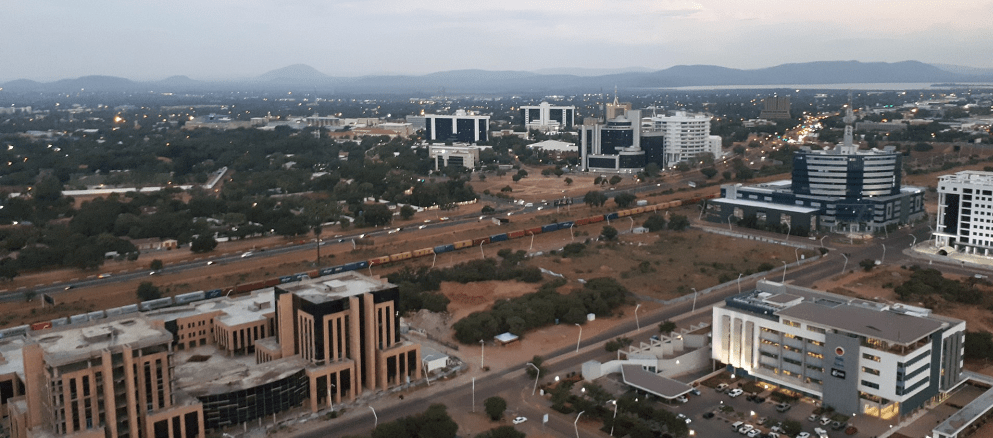
About 11.6 per cent of the population lives in the capital and largest city, Gaborone.
Formerly one of the world’s poorest countries—with a GDP per capita of about US$70 per year in the late 1960s—it has since transformed itself into an upper-middle-income country, with one of the world’s fastest-growing economies.
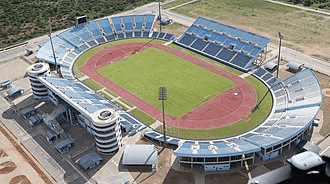
FrancistownFrancistown Stadium
The Tswana ethnic group were descended mainly from Bantu-speaking tribes who migrated southward of Africa to modern Botswana, living in tribal enclaves as farmers and herders.
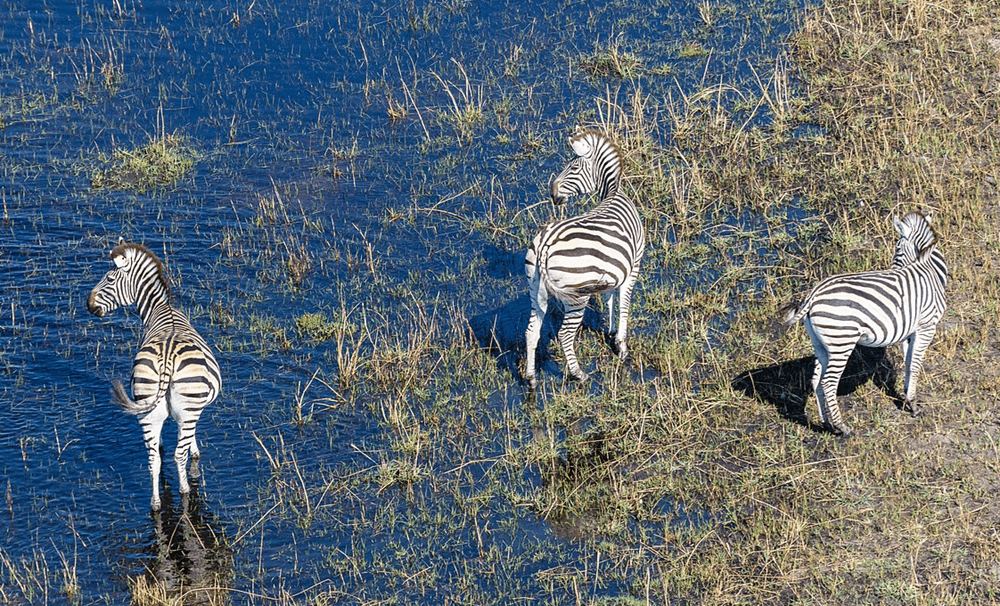
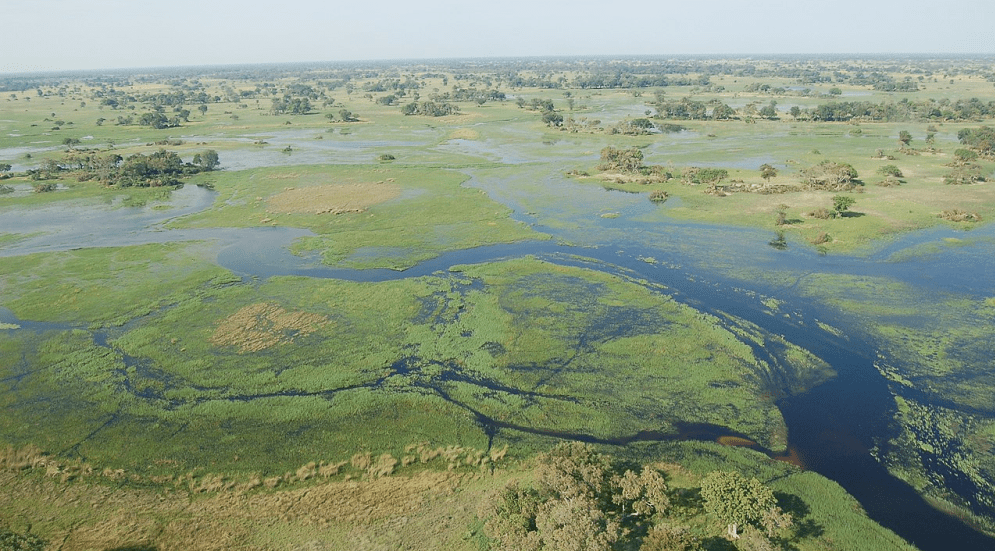
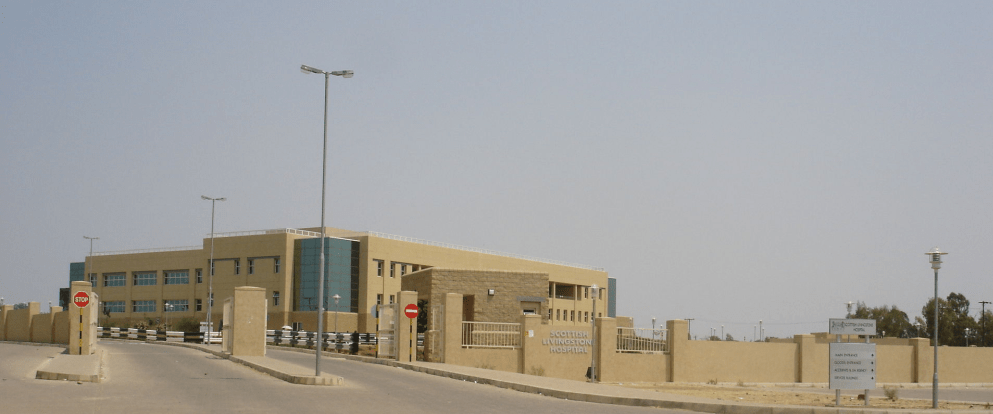
Zebras at the Okavango Basin Okavango Delta in Botswana Scottish Livingstone Hospital, Molepolole, Botswana
In 1885, the British colonised the area and declared a protectorate under the name of Bechuanaland.
As colonisation stopped, Bechuanaland became an independent republic under its current name on 30 September 1966.
Since then, it has been a representative republic, with a consistent record of uninterrupted democratic elections and the lowest perceived corruption ranking in Africa since at least 1998.
The economy is dominated by mining and tourism. Botswana has a GDP (purchasing power parity) per capita of about $18,113 as of 2021, one of the highest in subsaharan Africa.
Botswana is the world’s biggest diamond producing country.
Its relatively high gross national income per capita gives the country a high standard of living and the third-highest Human Development Index of continental Sub-Saharan Africa (after Gabon and South Africa).
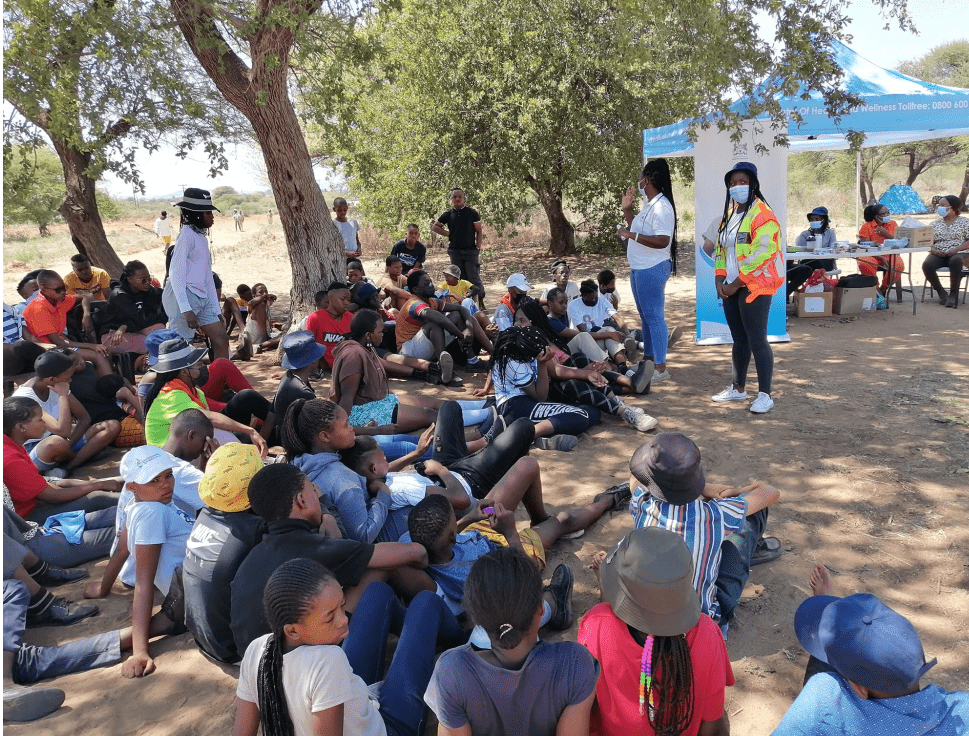
The country has been adversely affected by the HIV/AIDS epidemic. In 2002, Botswana began offering anti-retroviral drugs (ARVs) to help combat the epidemic.
Botswana is a member of the Southern African Customs Union, the Southern African Development Community, the Commonwealth of Nations, and the United Nations.
More
Places, polling stations in Ghanzi North, Botswana Botswana places, polling stations Places and their polling stations in Ghanzi North, Botswana 471 Grootlaagte2200 Grootlaagte Primary School2201 Farm 142-Nk…