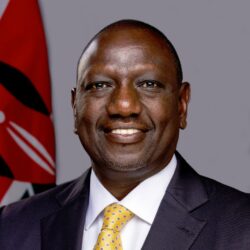
Government of Kenya ministries as listed on the official Kenyan Presidential website, with details on their roles and functions where available. This serves as a reference guide to the principal ministries in the Republic of Kenya’s executive arm under the Presidency of His Excellency Dr. William Samoei Ruto.
The executive branch of the Government of Kenya is comprised of ministries headed by Cabinet Secretaries (CS), each responsible for major sectors of national policy, service delivery, and administration. These ministries derive their mandates from the Constitution of Kenya, legislative instruments, and executive orders, and coordinate State Departments to implement government policies effectively.
1. Ministry of Interior and National Administration
Responsible for ensuring internal security, law enforcement, immigration control, national registration services, and coordination of national government functions across counties. It oversees the National Police Service, Kenya Prisons Service, and probation services to maintain law and order.
2. Ministry of Defence
Charged with safeguarding national security and defence, the ministry formulates defence policy and oversees the Kenya Defence Forces, ensuring protection of territorial integrity and national sovereignty.
3. The National Treasury and Economic Planning
Manages government finances, economic policy formulation, national budgeting, revenue collection frameworks, public debt, and fiscal planning. It is key to economic stability and development planning.
4. Ministry of Foreign and Diaspora Affairs
Leads Kenya’s diplomatic relations, foreign policy implementation, international cooperation, and affairs of the Kenyan diaspora. It maintains missions abroad and fosters global engagement to protect national interests.
5. Ministry of Public Service, Gender and Affirmative Action
Oversees public service policy, human resource management in the civil service, gender issues, empowerment and initiatives to promote affirmative action and representation for underrepresented groups.
6. Ministry of Roads and Transport
Responsible for the development and maintenance of road infrastructure, transportation policy, traffic management, and regulatory frameworks that support mobility and economic growth.
7. Ministry of Lands, Public Works, Housing, and Urban Development
Manages land policy, urban planning and development, housing provision, physical planning, and public works to support sustainable infrastructure and habitation.
8. Ministry of Information, Communications and The Digital Economy
Focuses on information policy, communication systems, ICT advancement, digital transformation initiatives, and governance of the digital economy, including broadcasting and telecommunication frameworks.
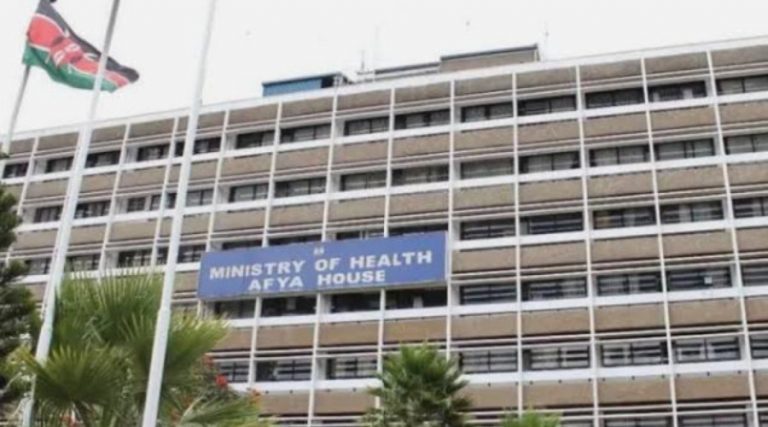
9. Ministry of Health
Provides national leadership on health policy, promotive and preventive health services, and oversees public health programs and healthcare services aimed at improving population health outcomes.
10. Ministry of Education
Responsible for coordinating educational policy and implementation across all levels from pre-primary to higher education, as well as technical and vocational training, research, and innovation ecosystems.
11. Ministry of Agriculture and Livestock Development
Focuses on agriculture policy, food security, livestock production, rural economy enhancement, and sustainable practices to support farmers and agro-based economic activities.
12. Ministry of Trade, Investments and Industry
Promotes trade, industrial development, investment attraction, and competitive business environments that boost economic diversification and value addition.
13. Ministry of Co-operatives and Micro, Small and Medium Enterprises (MSME) Development
Supports cooperative movements and MSMEs through policy guidance, capacity building, access to finance, and enterprise development initiatives that drive inclusive economic growth.
14. Ministry of Youth Affairs, Sports and The Arts
Advances youth empowerment, sports development, culture, arts, and creative industries as catalysts for employment, national unity, and cultural preservation.
15. Ministry of Environment and Forestry
Responsible for environmental policy, climate change action, natural resource management, conservation of forests, and sustainable ecological practices.
16. Ministry of Tourism, Wildlife and Heritage
Oversees tourism policy, wildlife conservation, national heritage sites, and promotion of Kenya as a premier global tourism destination.
17. Ministry of Water and Sanitation
Manages water resource policy, sanitation services, water infrastructure development, equitable access to safe water, and sustainable water use.
18. Ministry of Energy and Petroleum
Responsible for national energy policy, development of energy infrastructure, petroleum exploration and supply, renewable energy strategies, and energy sector regulation.
19. Ministry of Labour and Social Protection
Focuses on labour policy, employment relations, occupational safety, social protection systems, and programs for vulnerable populations.
20. Ministry of East African Community (EAC), the ASALs and Regional Development
Promotes regional integration within the East African Community framework, coordinates development initiatives in arid and semi-arid lands (ASALs), and supports equitable regional development.
21. Ministry of Mining, Blue Economy and Maritime Affairs
Oversees mining policy, sustainable exploitation of mineral resources, development of the blue economy, and maritime strategy for economic and environmental sustainability.
22. State Law Office
Provides legal advisory services to the government, coordinates legal policy formulation, upholds the rule of law, and may oversee constitutional and legal reforms.
Ministry of Health, Kenya
The Government of Kenya’s ministries form the executive core of national governance and service delivery. Each ministry has a defined policy mandate supported by state departments, agencies, and regulatory frameworks. Together, they execute the government’s strategic objectives across security, economic growth, social development, and international engagement under the direction of the presidency.
—
More
Kenya Ministers: Government of William Ruto Cabinet of the Republic of Kenya under President His Excellency Dr. William Samoei Ruto, C.G.H., reflecting recent reorganizations. This includes…
World Heritage Sites in Kenya UNESCO World Heritage Sites in Kenya are: Lake Turkana National Parks Mount Kenya National Park/Natural Forest Lamu Old Town Sacred…
Tourist places in Kenya The wildebeest migration in the Maasai Mara has innately put Kenya’s tourism on the global map but there is more…
Company Registration In Kenya A person wishing to incorporate a company in Kenya should lodge with the Registrar the following documents: 1. Application and…
Starting a Business in Mombasa, Kenya Mombasa is a coastal city in southeastern Kenya along the Indian Ocean. It was the first capital of British East…
Mombasa, Kenya Mombasa is a coastal city in southeastern Kenya along the Indian Ocean. It was the first capital of British East…
List of Barbados Government Ministries Barbados Government Ministries form the central framework of public administration across the island. These ministries ensure that national policies are…
List of Botswana government ministries The government of Botswana has many ministries, namely: Ministry for State President Ministry of Agricultural Development and Food Security Ministry…
Ghana’s ministers and ministries list Ghana’s cabinet ministers under President John Dramani Mahama. It reflects latest changes, from the reshuffles of 7 and 26 August…
Singapore ministers and ministries list Singapore’s Cabinet ministers and their portfolios Lawrence Wong: Prime Minister and Minister for Finance Lee Hsien Loong: Senior Minister Gan…