Qubba Palace: Inside the Grand Royal Gem of Egypt’s Mohamed Ali Dynasty
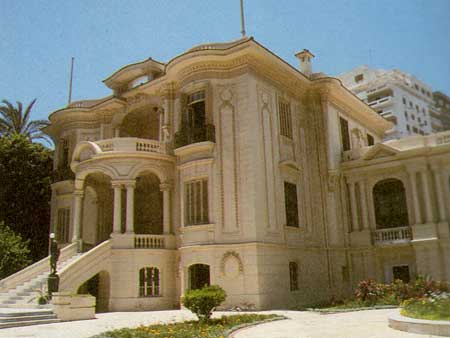
Qubba Palace, often described as the most majestic palace of Egypt’s Mohamed Ali Dynasty, traces its legacy to a powerful lineage of rulers. Built upon the remains of a modest house owned by Ibrahim Pasha, the son of Mohamed Ali Pasha, the site was transformed into a royal sanctuary by Khedive Ismael. This lineage played a critical role in shaping modern Egypt, and Qubba Palace became a significant architectural and cultural symbol of their reign.
The area had always held historical value, but its transformation under Khedive Ismael elevated its status to that of a national treasure. From humble beginnings to royal grandeur, Qubba Palace encapsulates Egypt’s transition into modernity.
Construction Era Under Khedive Ismael
The construction of Qubba Palace was no small feat. Beginning in 1867 and culminating in 1872, it took six years of continuous effort to complete. This era marked Khedive Ismael’s ambitious drive to modernize Egypt and present it as a nation of culture, art, and royalty to the world.
Architecturally, the palace blended Islamic, Ottoman, and European influences. The expansive structure, wrapped in ornate facades and crowned with domes, mirrored Khedive Ismael’s cosmopolitan vision. Every brick and corridor tells a tale of wealth, vision, and royal ambition.
The Grand Inauguration
The official inauguration of Qubba Palace was a grand spectacle, befitting its regal construction. The wedding of Crown Prince Mohamed Tawfik in 1873 served as the ultimate debut event, symbolizing both a personal and political milestone. The celebration set the tone for the palace’s use in royal ceremonies, particularly weddings.
Lavish banquets, musical performances, and elegant gatherings turned Qubba into the epicenter of Egypt’s high society. From that point onward, Qubba became synonymous with royal festivity.
Naming and Mamluk Connection
The name “Qubba” harks back to a bygone era, referring to a domed Mamluk building that once stood on the same land. This continuity of royal use and reverence for the past showcases Egypt’s deep connection to its heritage.
The Mamluk legacy carried spiritual and political connotations, and invoking it in the name lent the new palace a sense of historical depth and continuity.
The Palace Grounds and Gardens
One of the most striking features of Qubba Palace is its sheer size—it spans over 190 feddans, making it the largest palace estate in Egypt. Within these sprawling grounds lie expertly curated gardens, rare groves, and ornamental landscapes.
These gardens house botanical treasures dating back to Khedive Ismael’s time. Exotic plants, flowering paths, and shaded walkways create an oasis that complements the palace’s regal presence. The lake that once surrounded the palace attracted nobles for leisurely walks and fishing—adding charm and life to the setting.
Interior Design
Qubba Palace is not just vast—it’s also a masterpiece of design. The architectural features blend Eastern elegance with Western sophistication. High domes, intricate mosaics, sweeping staircases, and grand halls demonstrate the opulence intended by Khedive Ismael.
The interior is equally breathtaking. Walls adorned with gold leaf, ceilings painted with Renaissance-style murals, and imported European chandeliers reflect the luxurious taste of the era. Italian marble floors and hand-carved wooden panels add to the aesthetic richness. Each room was purposefully designed to serve diplomatic, ceremonial, or personal functions.
Qubba Palace as a Social Hub
Throughout its history, Qubba Palace functioned as more than a royal residence—it was a center for elite gatherings. Promenades in the garden, weekend fishing on the palace lake, and open-air musical evenings brought together members of Egypt’s aristocracy.
The palace was the preferred location for hosting foreign envoys, nobility, and political dignitaries. Its ambiance exuded the power and charm of Egypt’s upper class, showcasing an ideal blend of hospitality and grandeur.
Role During the Monarchy Era
During the monarchy, Qubba Palace took on national importance. It served as a diplomatic venue where Egyptian kings received international guests. State banquets, foreign policy negotiations, and ceremonial receptions were held within its luxurious walls.
Its prominence grew particularly under King Fuad I and King Farouk, who often chose Qubba as the backdrop for significant events, distancing themselves from the more administrative tone of Abdeen Palace.
Life Inside Qubba Palace
Daily life in Qubba Palace was a blend of elegance and routine. Servants, gardeners, and security staff maintained the estate with military precision. The royal family enjoyed spacious apartments, private libraries, and sunlit verandas overlooking the palace gardens.
Women of the royal family organized cultural salons, while princes held court with ministers and scholars. These moments formed the heartbeat of the palace—both a sanctuary and a stage for Egypt’s royal family.
Transformation Post-Monarchy
After Egypt became a republic in 1952, the role of Qubba Palace shifted dramatically. No longer a royal residence, it was repurposed for state use. It occasionally served as a presidential guesthouse and hosted official ceremonies.
During this period, efforts were made to preserve its original splendor. While some areas were modernized, the palace retained much of its historical character. Conservation programs ensured that the architecture and gardens remained intact.
Qubba Palace Today
Today, Qubba Palace is not fully open to the public, but it remains a significant cultural and political site. Used occasionally for government events and diplomatic receptions, it maintains its status as a symbol of national heritage.
Public interest in the palace continues to grow, with historians and architecture enthusiasts calling for greater access and appreciation. Qubba stands as a quiet but powerful reminder of Egypt’s regal past.
Unique Features and Curiosities
Among the palace’s lesser-known marvels are its hidden tunnels, believed to connect Qubba to nearby royal residences. Secret chambers and vaults possibly used for storing family treasures add an air of mystery to its legend.
The palace also houses rare antiques—clocks from Paris, mirrors from Vienna, and silverware commissioned from London—all curated to reflect the tastes of Egypt’s 19th-century elite.
Influence on Egyptian Architecture
Qubba Palace influenced the construction of later palatial and public buildings. Its blend of Islamic motifs with European finesse became a template for other elite structures, from opera houses to parliament halls.
Architects looked to Qubba’s symmetry, use of domes, and detailed ornamentation as a gold standard in royal Egyptian architecture.
Comparisons with Other Palaces in Egypt
Compared to Abdeen Palace, which served as an administrative hub, Qubba was more personal and ceremonial. Ras El-Tin Palace in Alexandria, meanwhile, served as a summer retreat. But in sheer size and elegance, Qubba surpasses them all.
Its gardens, historical connections, and less publicized legacy make it both unique and underappreciated in Egypt’s royal narrative.
Importance in Modern Egyptian Identity
Qubba Palace represents more than royalty—it symbolizes a cultural epoch where art, architecture, and nationhood converged. For many Egyptians, it’s a source of pride and nostalgia, a reminder of the country’s cosmopolitan golden age.
Its continued preservation is vital for maintaining a connection to that past and inspiring future generations.
Frequently Asked Questions about Qubba Palace
1. Where is Qubba Palace located? Qubba Palace is situated in Cairo, Egypt, in the Heliopolis district, not far from other historical landmarks.
2. Can the public visit Qubba Palace? As of now, public access is restricted. It serves mostly for official governmental functions.
3. Why is it called “Qubba” Palace? The name “Qubba” refers to a Mamluk-era domed structure that once existed on the same site, symbolizing continuity with Egypt’s medieval past.
4. What makes Qubba Palace unique? Its vast size, European-Islamic architectural blend, rare gardens, and secret tunnels distinguish it from other palaces.
5. Who built Qubba Palace? Khedive Ismael commissioned the construction of the palace in 1867, and it was completed in 1872.
6. What role did Qubba Palace play in Egyptian politics? It was a venue for royal and state functions, hosting both Egyptian royalty and foreign dignitaries. Post-monarchy, it became a site for presidential events.
Ras el-Tin Palace, Alexandria, Egypt The historic Ras el-Tin Palace is considered one of the oldest palaces existing in Egypt and Alexandria today. It is…
Gwamatsawa Dynasty in Kontagora Beginning with the Umaru Nagwamatse the founder of the dynasty in 1859, Nagwamatse was succeeded by his protégés as follows:…
AMANYANABO OF GRAND BONNY KINGDOM AMANYANABO OF GRAND BONNY KINGDOM is a First Class Traditional Ruler in Rivers State, Nigeria. H. M. Edward Asimini William…