Federal, State & Local Government Staff Begin Strike Friday 2 October
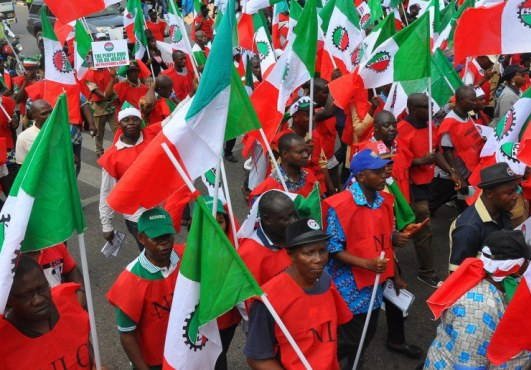
Federal, state and local government workers have been directed to join a three-day nationwide warning strike over rising living costs, petrol prices, wages and demands for a new minimum wage.
Public servants across Nigeria’s federal, state and local government services are set to withdraw their services in a three-day warning strike beginning at midnight on Friday, October 2, 2026.
The industrial action was declared by the Joint National Public Service Negotiating Council (JNPSNC) after the council said the Federal Government failed to address demands contained in a September 21 letter to President Bola Ahmed Tinubu.
According to a circular dated October 1, the strike will continue until Sunday, October 4, 2026.
Why public workers are going on strike
The unions say the action is driven by worsening economic conditions affecting workers, their dependants and other Nigerians.
Among the major demands presented by the JNPSNC are:
Reduction of the petrol pump price to ₦500 per litre.
An immediate wage award to cushion workers against rising living costs.
Establishment of a tripartite committee to begin negotiations for a new national minimum wage expected to become due in 2027.
Government measures to reduce the economic pressure created by high fuel, transportation and commodity prices.
Strike covers federal, state and local governments
The directive applies to public servants working across the three tiers of government. The JNPSNC called on its national and state structures to mobilise workers and ensure compliance with the industrial action.
The unions affiliated with the council include the Nigeria Civil Service Union, Medical and Health Workers Union, Association of Senior Civil Servants of Nigeria, National Association of Nigerian Nurses and Midwives, and other public-sector organisations.
Petrol prices remain a major issue
Fuel prices are at the centre of the labour dispute. The JNPSNC is demanding that petrol be sold at ₦500 per litre, arguing that high fuel prices have contributed to increased transportation costs and higher prices for goods and services.
In its earlier demand, the council cited petrol prices ranging from approximately ₦1,450 to ₦2,000 per litre, with reports of even higher prices in some locations.
Workers demand wage relief
Another major demand is an immediate wage award. The unions argue that rising prices have reduced the purchasing power of workers and that an additional temporary payment would provide relief while broader wage negotiations take place.
Minimum wage negotiations
The JNPSNC is also calling for the immediate establishment of a tripartite committee involving government, labour and other relevant stakeholders. The purpose would be to begin negotiations for a new national minimum wage expected to become due in 2027.
NLC raises similar concerns
The Nigeria Labour Congress (NLC) has also raised concerns about the effect of rising fuel prices, inflation and transportation costs on Nigerian workers. The NLC has called for measures to reduce petrol prices and has supported demands for a wage award and negotiations for a new minimum wage.
What the warning strike could affect
Because the directive covers public servants at federal, state and local government levels, implementation of the strike could affect government offices and public services nationwide. The actual effect, however, will depend on the level of compliance by workers and the response of individual government institutions.
Government and labour face renewed negotiations
The strike has placed renewed pressure on the Federal Government and organised labour to address disagreements over workers’ incomes and the cost of living. The immediate issues include petrol prices, wage relief and preparations for the next national minimum wage negotiations.
Key dates
September 21, 2026: JNPSNC wrote to President Tinubu presenting its demands.
September 30, 2026: Deadline given by the unions for action on their demands.
October 1, 2026: JNPSNC issued its directive for the warning strike.
October 2, 2026: Three-day warning strike scheduled to begin at midnight.
October 4, 2026: Scheduled end of the warning strike.
Nigeria’s public-sector unions are using the three-day warning strike to press their demands on petrol prices, wages and preparations for a new national minimum wage.
The development comes amid continuing debate over the cost of living and the purchasing power of Nigerian workers. The response of the Federal Government and the outcome of any subsequent negotiations with organised labour will determine the next stage of the dispute.
Warning Signs of a Failing Timing Belt Don’t ignore these critical signs that your timing belt might be failing! Unusual Engine Noises: Whining, grinding, or screeching sounds…
Nigeria’s economic trajectory The story of Nigeria’s economic regression is a cautionary tale of how mismanagement and short-term policies can dismantle a thriving…
NIGERIAN ECONOMIC REFORM Here are some recent highlights in business news: Nigeria’s Economic Reforms: The Nigerian government is implementing various economic reforms to…
Economic Activities in Ogun State Agriculture is the main occupation of the people, providing income and employment for a large percentage of the population. Ogun…
WACS (Workers Aggregated Credit Scheme) WACS (Workers Aggregated Credit Scheme) is a service from IPPIS (Integrated Payroll and Personnel Information System) that manages loan deductions…