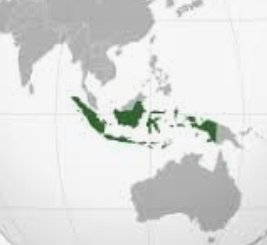
Indonesia Province, Capital, Regencies (Kabupaten), Cities (Kota), Population
No.
Province
Capital
Regencies (Kabupaten)
Cities (Kota)
Total regencies & cities
Population
1
Aceh
Banda Aceh
18
5
23
5,695,929
2
Sumatera Utara
Medan
25
8
33
15,978,639
3
Sumatera Barat
Padang
12
7
19
5,991,591
4
Riau
Pekanbaru
10
2
12
6,892,386
5
Jambi
Jambi
9
2
11
3,811,661
6
Sumatera Selatan
Palembang
13
4
17
9,017,142
7
Bengkulu
Bengkulu
9
1
10
2,163,341
8
Lampung
Bandar Lampung
13
2
15
9,623,792
9
Kepulauan Bangka Belitung
Pangkal Pinang
6
1
7
1,569,749
10
Kepulauan Riau
Tanjung Pinang
5
2
7
2,243,105
11
DKI Jakarta
Jakarta
1
5
6
10,669,702
12
Jawa Barat
Bandung
18
9
27
51,163,888
13
Jawa Tengah
Semarang
29
6
35
38,564,968
14
DI Yogyakarta
Yogyakarta
4
1
5
3,802,716
15
Jawa Timur
Surabaya
29
9
38
42,352,024
16
Banten
Serang
4
4
8
12,641,299
17
Bali
Denpasar
8
1
9
4,488,243
18
Nusa Tenggara Barat
Mataram
8
2
10
5,815,328
19
Nusa Tenggara Timur
Kupang
21
1
22
5,828,569
20
Kalimantan Barat
Pontianak
12
2
14
5,834,955
21
Kalimantan Tengah
Palangka Raya
13
1
14
2,879,544
22
Kalimantan Selatan
Banjarmasin
11
2
13
4,372,109
23
Kalimantan Timur
Samarinda
7
3
10
4,478,356
24
Kalimantan Utara
Tanjung Selor
4
1
5
758,773
25
Sulawesi Utara
Manado
11
4
15
2,740,465
26
Sulawesi Tengah
Palu
12
1
13
3,189,768
27
Sulawesi Selatan
Makassar
21
3
24
9,661,296
28
Sulawesi Tenggara
Kendari
15
2
17
2,879,988
29
Gorontalo
Gorontalo
5
1
6
1,256,448
30
Sulawesi Barat
Mamuju
6
0
6
1,547,354
31
Maluku
Ambon
9
2
11
1,995,208
32
Maluku Utara
Sofifi
8
2
10
1,391,708
33
Papua Barat
Manokwari
7
0
7
596,461
34
Papua Barat Daya
Sorong
5
1
6
645,544
35
Papua
Jayapura
8
1
9
1,086,454
36
Papua Selatan
Merauke
4
0
4
557,203
37
Papua Tengah
Nabire
8
0
8
1,510,813
38
Papua Pegunungan
Wamena
8
0
8
1,501,864
Total
416
98
514
287,198,383
Indonesia’s Administrative Landscape: Provinces, Capitals, Regencies, and Population Breakdown
Indonesia is a sprawling archipelago nation spanning thousands of islands, characterized by incredible cultural, geographical, and demographic diversity. Managing a nation of this scale requires a robust, structured administrative framework.
This explores how Indonesia is organized—from its national level down to provinces, regencies (kabupaten), and cities (kota)—alongside key population insights.
1. The Provincial Structure: The First Level of Governance
At the highest sub-national level, Indonesia is divided into provinces (provinsi). Each province is headed by a governor and possesses its own regional parliament and local government bodies.
Total Number: Indonesia comprises 38 provinces (following recent expansions in regions like Papua).
Population Extremes: Provinces vary dramatically in size and demographic weight. For instance, West Java stands as the most populous province with over 50.7 million residents, whereas newer or more remote provinces like South Papua account for smaller regional populations.
Special Regions: Certain territories hold special autonomous status to preserve unique cultural, religious, or historical identities—such as the Special Capital Region of Jakarta, the Special Region of Yogyakarta, and Aceh.
2. Second-Level Subdivisions: Regencies (Kabupaten) and Cities (Kota)
Beneath the provincial tier, Indonesia’s regions are categorized into second-level administrative divisions (daerah tingkat II), which total 514 units nationwide:
Regencies (Kabupaten): Typically headed by a Regent (Bupati), these make up the vast majority of local government units (416 regencies). Regencies generally cover rural, semi-urban, or wider geographical districts outside core urban centers. Prominent examples include densely populated regencies like Bogor and Bandung in West Java.
Municipalities/Cities (Kota): Headed by a Mayor (Walikota), there are 98 cities across the country. These represent urban centers focused primarily on commerce, trade, and dense metropolitan services (such as Surabaya, Medan, and Bandung).
(Note: Jakarta operates under a unique administrative subdivision model consisting of administrative cities (kota administrasi) and one administrative regency (kabupaten administrasi).)
3. Demographics and Distribution Trends
Indonesia’s total population ranks among the largest globally, crossing well over 275 million people. However, distribution is heavily skewed:
The Java Phenomenon: Islands like Java host a massive share of the country’s population, with high-density provinces like West Java, East Java, and Central Java driving national economic and political activity.
Urbanization: A growing percentage of Indonesians live within kota municipalities or expanding suburban kabupaten areas adjacent to major metropolitan zones (such as Jabodetabek—the Greater Jakarta urban agglomeration).
Key Administrative Metrics
Administrative Level
Count
Description / Role
Provinces
38
Governed by a Governor; top-tier regional division.
Regencies (Kabupaten)
416
Primarily non-urban or mixed districts headed by a Regent.
Cities (Kota)
98
Urban municipalities headed by a Mayor.
Total 2nd-Level Units
514
Total local administrative subdivisions across Indonesia.
Indonesia Province, Capital, Regencies (Kabupaten), Cities (Kota), Population, 2026
Source: BPS-Statistics Indonesia bps.go.id/en/statistics- table/2/Mjc5MCMy/ number-of-population- by-region-and -age-group.html
List of Indonesia’s 38 Provinces and Capital Cities Indonesia is the world’s largest archipelago nation, spanning thousands of islands between Southeast Asia and Oceania. Administratively, the country is…
Population of Botswana Cities and Towns Population Totals of Botswana Cities and Towns Gaborone City – 246,325 Francistown City – 103,417 Lobatse – 29,772 Selibe-Phikwe –…
Top Russian Cities by Population While much of Russia’s territory is sparsely populated, its urban centers are dynamic hubs of culture, politics, and industry. The…
Top 10 Russian Cities by Population The top 10 Russian cities according to population (2021 Census) are: Moscow Saint Petersburg Novosibirsk Yekaterinburg Kazan Nizhny Novgorod Chelyabinsk…
ADDIS ABABA Population according to its Sub Cities Population of ADDIS ABABA Region, Ethiopia, according to its sub cities ADDIS ABABA3,945,000Nefas Silk-Lafto-Sub City455,500Kolfe Keraniyo-Sub City617,526Gulele-Sub City385,332Lideta-Sub City290,466Kirkos-Sub City318,634Arada-Sub…
Population of Angola by province The population of Angola as of 2014 stood at 25,789,024. According to province it is as follows: ProvincePopulation (2014)Luanda6,945,386Huíla2,497,422Benguela2,231,385Huambo2,019,555Cuanza Sul1,881,873Uíge1,483,118Bié1,455,255Cunene990,087Malanje986,363Lunda…
Population of Algeria by province While the most populated province in Algeria is Algiers with 2,988,145 people the least populated province is Ain Guezzam with…
Indonesia’s Provinces and Population Indonesia’s 38 provinces by population, including the most populous provinces, regional population distribution, demographic insights, and key statistics on Indonesia’s…
Menorah Capital Discovered in Jerusalem Astonishing One-of-a-Kind Stone Capital with Menorah, Lasting 1,500 Years Old, Unearthed in Jerusalem One-of-a-kind stone capital with menorah – Unearthed…
Gboko: The Capital of Tiv Nation Gboko, a vibrant and fast-growing town in Benue State, North-central Nigeria, holds a prominent position as the traditional capital of…