The Districts of Bhutan in this complete guide covering dzongkhags, gewogs, thromdes, local governance, and the full list of Bhutan’s 20 districts with Dzongkha names.
Bhutan, the Himalayan kingdom known for Gross National Happiness, follows a well-structured and deeply traditional system of local governance. The Districts of Bhutan, locally known as dzongkhags, form the backbone of the country’s administrative framework. These districts ensure that governance remains close to the people while preserving Bhutan’s cultural and historical identity. Understanding how these districts function provides valuable insight into how Bhutan balances modern administration with age-old traditions.
Administrative Structure of Bhutan
Bhutan is divided into 20 dzongkhags, each functioning as a district administered by a local government body called the Dzongkhag Tshogdu. This body is responsible for overseeing development activities, public services, and local governance within the district. Dzongkhags act as an important link between the central government and local communities, ensuring policies are implemented effectively across the country.
Within some dzongkhags, especially in urban areas, municipalities known as thromdes operate under the supervision of the dzongkhag administration. In rural regions, governance is further decentralized into gewogs, or village blocks, which handle grassroots-level administration.
Dzongkhag Tshogdu and Local Governance
The Dzongkhag Tshogdu serves as the district council and plays a vital role in decision-making at the local level. It includes elected representatives from both urban and rural areas. Members discuss development plans, infrastructure needs, education, health services, and other issues that affect the daily lives of residents.
This system encourages public participation and transparency, allowing citizens to have a direct voice in local governance. By empowering district councils, Bhutan ensures that development remains inclusive and regionally balanced.
Thromdes: Urban Municipal Administration
In urban centers, thromdes function as municipal governments. Thromdes are led by elected officials called Thrompons, who oversee city planning, waste management, infrastructure development, and public services. Thrompons also represent their municipalities in the Dzongkhag Tshogdu, ensuring that urban concerns are addressed at the district level.
This structure allows Bhutan’s growing towns and cities to manage urban challenges while remaining aligned with district and national policies.
Gewogs: The Heart of Rural Bhutan
Most of Bhutan’s population lives in rural areas, where gewogs play a crucial administrative role. Each gewog is governed by a Gewog Tshogde, which includes elected leaders such as the Gup (headman) and Mangmi (deputy headman). These leaders are responsible for local development, agricultural support, dispute resolution, and community welfare.
Gewogs provide a direct channel for rural citizens to participate in governance, making Bhutan’s administrative system highly decentralized and community-oriented.
Chiwogs and Electoral Representation
The smallest administrative unit in Bhutan is the chiwog, which serves as the basis for electoral constituencies. Chiwogs ensure fair representation during elections and help organize voting at the grassroots level. This system strengthens democratic participation and ensures that even remote communities have a voice in national and local decision-making.
List of the 20 Districts of Bhutan
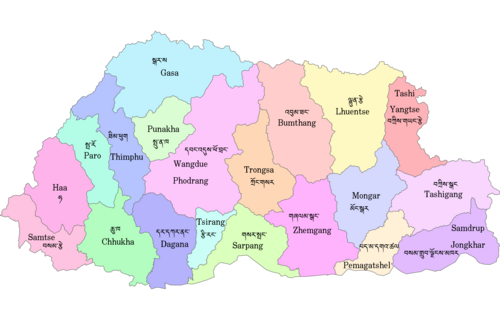
The Districts of Bhutan are spread across the western, central, eastern, and southern regions of the country, each with unique geography and cultural heritage:
Bumthang – བུམ་ཐང་རྫོང་ཁག
Chukha – ཆུ་ཁ་རྫོང་ཁག
Dagana – དར་དཀར་ན་རྫོང་ཁག
Gasa – མགར་ས་རྫོང་ཁག
Haa – ཧཱ་རྫོང་ཁག
Lhuntse – ལྷུན་རྩེ་རྫོང་ཁག
Mongar – མོང་སྒར་རྫོང་ཁག
Paro – སྤ་རོ་རྫོང་ཁག
Pemagatshel – པད་མ་དགའ་ཚལ་རྫོང་ཁག
Punakha – སྤུ་ན་ཁ་རྫོང་ཁག
Samdrup Jongkhar – བསམ་གྲུབ་ལྗོངས་མཁར་རྫོང་ཁག
Samtse – བསམ་རྩེ་རྫོང་ཁག
Sarpang – གསར་སྤང་རྫོང་ཁག
Thimphu – ཐིམ་ཕུ་རྫོང་ཁག
Trashigang – བཀྲ་ཤིས་སྒང་རྫོང་ཁག
Trashiyangtse – བཀྲ་ཤིས་གཡང་རྩེ་རྫོང་ཁག
Trongsa – ཀྲོང་གསར་རྫོང་ཁག
Tsirang – རྩི་རང་རྫོང་ཁག
Wangdue Phodrang – དབང་འདུས་ཕོ་བྲང་རྫོང་ཁག
Zhemgang – གཞམས་སྒང་རྫོང་ཁག
Each district contributes uniquely to Bhutan’s identity, from the cultural heartland of Bumthang to the political center in Thimphu.
Frequently Asked Questions (FAQs)
1. How many districts are there in Bhutan? Bhutan has 20 districts, known as dzongkhags.
2. What is a dzongkhag? A dzongkhag is an administrative district responsible for local governance and development.
3. What is the difference between a dzongkhag and a gewog? A dzongkhag is a district, while a gewog is a smaller village block within a district.
4. What are thromdes in Bhutan? Thromdes are urban municipalities that manage town and city administration.
5. Who leads a gewog? A gewog is led by an elected Gup, supported by a Mangmi.
6. What is a chiwog used for? Chiwogs are the smallest administrative units and serve as electoral constituencies.
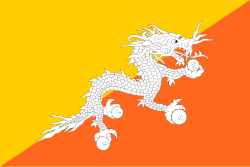
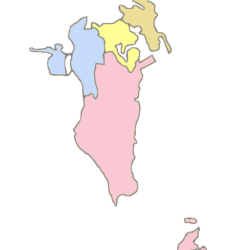
Flag of Bhutan with dragonMap of Bhutan’s administrative divisions
The Districts of Bhutan form a decentralized and people-focused governance system that reflects the country’s commitment to balanced development and democratic participation. By integrating dzongkhags, thromdes, gewogs, and chiwogs, Bhutan ensures that governance reaches every citizen, from urban centers to remote mountain villages. This thoughtful administrative structure continues to support Bhutan’s vision of sustainable development and national happiness.
History of the Kontagora kingdom Kontagora is a town on the south bank of the Kontagora River in north-west Niger State, Nigeria. St Michael’s Catholic…
AMANYANABO OF GRAND BONNY KINGDOM AMANYANABO OF GRAND BONNY KINGDOM is a First Class Traditional Ruler in Rivers State, Nigeria. H. M. Edward Asimini William…
ONYE-ISI AGWURU, IGBO KINGDOM ONYE-ISI AGWURU, IGBO KINGDOM is a First Class Traditional Ruler in Rivers State, Nigeria. H.M. King (Dr.) Samuel Ndiwe Amaechi J.P…
AMACHREE XI, AMANYANABO OF KALABARI KINGDOM AMACHREE XI, AMANYANABO OF KALABARI KINGDOM is a First Class Traditional Ruler in Rivers State, Nigeria. H.M. Prof. Theophilus J.…
ODA-ABUAN OF ABUA KINGDOM ODA-ABUAN OF ABUA KINGDOM is a First Class Traditional Ruler in Rivers State, Nigeria. H.M. Kaleh O. Monday Obuge ODA-ABUAN…
Baatonu People and the Kingdom of Borgu The documented history of the Baatonu people, also known as the Baatombu or Bariba, begins with their integral role in…
Ghana districts. Population, size of land area and capitals of districts The districts of Ghana and their population, land area and capitals are as follows: DistrictPopulationArea (km.²)CapitalAbura-Asebu-Kwamankese90,093324Abura-DunkwaAccra1,659,136185AccraAdansi East129,3251,380New EdubiaseAdansi West235,680828ObuasiAfigya Sekyere117,653770AgonaAfram…
List of Bhutan Languages Bhutan is a small yet remarkably diverse Himalayan kingdom nestled between China and India. Despite its modest population and land…
Districts of Ghana Ghana’s districts are: Abura-Asebu-KwamankeseAccraAdansi EastAdansi WestAfigya SekyereAfram PlainsAgonaAhafo Ano NorthAhafo Ano SouthAhanta WestAjumako/Enyan/EsiamAkatsiAkwapim NorthAkwapim SouthAmansie EastAmansie WestAowin-SuamanAsante Akim NorthAsante Akim…
List of Ghana districts and capitals Ghana districts and capitals are: DistrictCapitalAbura-Asebu-KwamankeseAbura-DunkwaAccraAccraAdansi EastNew EdubiaseAdansi WestObuasiAfigya SekyereAgonaAfram PlainsDonkorkromAgonaSwedruAhafo Ano NorthTepaAhafo Ano SouthMankransoAhanta WestAgona NkwantaAjumako/Enyan/EsiamAjumakoAkatsiAkatsiAkwapim NorthAkropongAkwapim SouthNsawamAmansie EastBekwaiAmansie…
List of Ghana districts and land area in kilometre square Ghana districts and land area in kilometer square DistrictArea (km²)Abura-Asebu-Kwamankese324Accra185Adansi East1,380Adansi West828Afigya Sekyere770Afram Plains3,559Agona632Ahafo Ano North593Ahafo Ano South1,126Ahanta West636Ajumako/Enyan/Esiam483Akatsi1,077Akwapim North544Akwapim…