List of Botswana villages and their population: A guide for settlements with over 5,000 residents
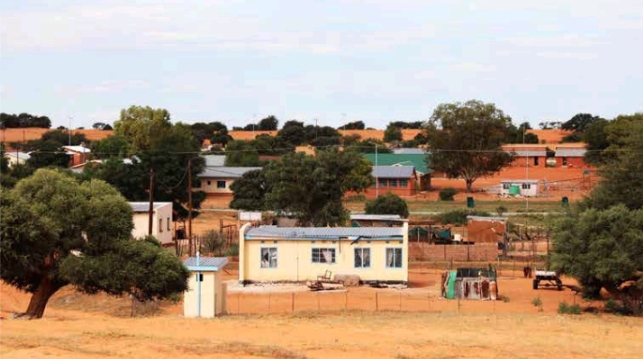
Botswana is widely known for its political stability, strong governance, and balanced development between urban and rural areas. While cities like Gaborone and Francistown attract national attention, villages remain the heart of the country’s social, cultural, and economic life. This List of Botswana villages and their population provides a clear and data-driven look at villages with populations exceeding 5,000 residents, highlighting how people are distributed across districts and regions.
Villages with larger populations often function as semi-urban centers. They host district administration offices, hospitals, senior secondary schools, transport hubs, and commercial activities. Understanding their population size is critical for national planning, service delivery, infrastructure investment, and private sector growth.
Villages in Botswana with a population of over 5,000
Based on the population data provided, Botswana has 60 villages with a population exceeding 5,000 people. Together, these villages account for a total population of 1,125,283, made up of 535,146 males and 590,137 females. This shows a clear female majority, a trend that is consistent across most districts.
Below is a consolidated table showing the villages with populations above 5,000:
SN
Village
Total Population
Males
Females
1
Mogoditshane
88,006
44,225
43,781
2
Maun
84,993
41,083
43,910
3
Molepolole
74,674
34,436
40,238
4
Serowe
55,676
25,846
29,830
5
Tlokweng
55,508
25,734
29,774
6
Palapye
52,636
25,891
26,745
7
Mochudi
50,317
23,716
26,601
8
Mahalapye
48,431
22,984
25,447
9
Kanye
48,028
22,273
25,755
10
Letlhakane
36,338
18,048
18,290
11
Ramotswa
33,271
15,626
17,645
12
Mmopane
25,345
12,316
13,029
13
Thamaga
25,297
11,626
13,671
14
Moshupa
23,858
11,097
12,761
15
Tonota
23,296
10,752
12,544
16
Bobonong
21,216
9,567
11,649
17
Gabane
20,010
9,480
10,530
18
Ghanzi
19,012
9,315
9,697
19
Tutume
18,582
8,592
9,990
20
Kopong
13,816
6,517
7,299
21
Mmadinare
13,198
5,981
7,217
22
Tati Siding
12,393
5,809
6,584
23
Tsabong
11,651
5,641
6,010
24
Metsimotlhabe
11,589
5,521
6,068
25
Gumare
11,572
5,452
6,120
26
Shakawe
10,589
5,159
5,430
27
Oodi
10,257
4,958
5,299
28
Bokaa
9,150
4,395
4,755
29
Kasane
9,095
4,553
4,542
30
Borolong
8,917
4,205
4,712
31
Shoshong
8,887
4,125
4,762
32
Molapowabojang
8,722
4,024
4,698
33
Kazungula
8,704
4,442
4,262
34
Letlhakeng
8,343
3,964
4,379
35
Modipane
7,945
3,775
4,170
36
Nata
7,779
3,748
4,031
37
Tsienyane/Rakops
7,439
3,457
3,982
38
Mmankgodi
7,396
3,414
3,982
39
Lerala
7,204
3,381
3,823
40
Otse
6,958
3,374
3,584
41
Kumakwane
6,821
3,234
3,587
42
Sese
6,798
3,469
3,329
43
Kang
6,764
3,440
3,324
44
Lentsweletau
6,652
3,124
3,528
45
Ramotswa Station/Taung
6,286
3,131
3,155
46
Masunga
6,216
2,885
3,331
47
Lotlhakane
6,045
2,751
3,294
48
Sefophe
6,001
2,792
3,209
49
Rasesa
5,966
2,820
3,146
50
Maitengwe
5,929
2,633
3,296
51
Mathangwane
5,918
2,761
3,157
52
Shashe-Mooke
5,897
2,841
3,056
53
Good Hope
5,672
2,693
2,979
54
Gweta
5,548
2,602
2,946
55
Mmathethe
5,421
2,445
2,976
56
Sefhare
5,381
2,519
2,862
57
Chadibe
5,371
2,491
2,880
58
Tsetsebjwe
5,248
2,532
2,716
59
Hukuntsi
5,224
2,501
2,723
60
Charles Hill
5,147
2,531
2,616
Key population patterns across Botswana villages
One of the most noticeable trends in this List of Botswana villages and their population is the dominance of large villages in districts close to urban centers. Villages such as Mogoditshane, Tlokweng, Mmopane, and Thamaga benefit from proximity to Gaborone, making them attractive for housing and business development.
Another important pattern is the consistent female majority. In almost every village with over 5,000 residents, females outnumber males. This reflects labor migration patterns, where men move to mines, cities, or commercial farms, while women maintain households and community structures.
Regional concentration of large villages
The Kweneng District has the highest concentration of large villages, with Molepolole and Mogoditshane leading in population. The Central District follows closely, hosting major settlements such as Serowe, Palapye, Mahalapye, and Tonota. In the north, Ngamiland East is dominated by Maun, while Ngamiland West is anchored by Gumare and Shakawe.
Smaller but strategically important large villages are found in Chobe, Ghanzi, and the Kgalagadi regions, where settlements like Kasane, Ghanzi, Tsabong, Kang, and Hukuntsi play vital administrative and economic roles.
Why this data matters
Village population data is essential for:
Planning schools, clinics, and housing
Allocating development funding
Designing transport and water infrastructure
Guiding private sector investment
Supporting decentralization policies
Institutions such as Statistics Botswana use this data to inform national development frameworks and district-level planning.
1. What is the largest village in Botswana by population? Mogoditshane is the largest village, with a population of 88,006.
2. How many villages in Botswana have more than 5,000 people? There are 60 villages with populations above 5,000.
3. Which village has the highest population outside the south? Maun is the most populated village in northern Botswana.
4. Why do females outnumber males in most villages? This is mainly due to labor migration, where men move for employment opportunities.
5. Are large villages considered urban areas? No, they are administratively rural, but many function like small towns.
6. Which district has the most large villages? Kweneng District has the highest concentration of villages with populations over 5,000.
This List of Botswana villages and their population clearly shows that villages are not small or insignificant settlements. Many are large, dynamic communities that support a substantial share of the national population. As Botswana continues to grow, these villages will remain central to development, investment, and social stability.
List of Botswana Villages and their Districts NGWAKETSE DISTRICT Kanye Ranaka Lotlhakane West Gasita Lorolwana Kgomokasitwa Pitseng Lekgolobotlo Seherelela Lotlhakane Sese Sesung Magotlhwane Segwagwa Manyana Dipotsana Diabo…
List of Botswana Villages Villages in Botswana according to Census District Barolong BethelBorobadilepeDigawanaDikhukhungDinatshanaDitlharapaGamajalelaGathwaneGood HopeHebronKangweKgoroLejwanaLeporungLogaganeLorwanaMabuleMadingwanaMagoriapitseMakokweMalokaganyaneMarojaneMetloboMetlojaneMmakgoriMmathetheMogojogojoMogwalaleMokatakoMokgomaneMoleteMotsentsheMusiNgwatsauPapatloPhihitshwanePhitshane MolopoPitsana-PotokwePitsane SidingRakhunaRamatlabamaSedibengSekhutlaneSheep FarmTlhareseleeleTshidilamolomoTswaanengTswagare/Lothoje/LokalanaTswanyaneng Central Bobonong BobonongDamochojenaKobojangoLentswelemoritiLepokoleMabolweMathathaneMmadinareMolalatauMoletemaneMotlhabanengRobelelaSemolaleSefopheTobaneTsetsebjweTshokwe Central Boteti KediaKhweeKumagaLetlhakaneMakalamabediMmadikolaMmatshumoMokoboxaneMopipiMoreomaotoMosuMotopiToromojaTsienyane/RakopsXereXhumo Central…
List of Botswana Villages List of Botswana villages according to districts Barolong Bethel Borobadilepe Digawana Dikhukhung Dinatshana Ditlharapa Gamajalela Gathwane Good Hope Hebron Kangwe…