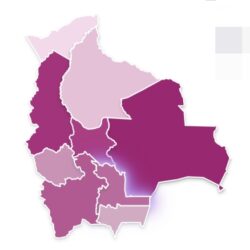
The Department of La Paz is administratively divided into 87 municipalities, listed below:
Our Lady of Peace
Finger
Mecapaca
Achocalla
The High
Achacachi
Villa Ancoraimes
Huarina
Santiago de Huata
Huatajata
Cocamino
Corocoro
Caquiaviri
Calacoto
Comanche
Charaña
Waldo Ballivián
Nazacara de Pacajes
Santiago de Callapa
Puerto Acosta
Mocomoco
Port of Carabuco
Humanata
Escoma
Steel
Verse
Aucapata
Sorata
Guanay
Tacacoma
Quiabaya
Combaya
Deception
Mountains
Theopont
Apollo
Pelechuco
Viacha
Guaqui Port
Tiahuanacu
Drain
San Andrés de Machaca (Marka)
Jesús de Machaca
Taraco
Luribay
Sapahaki
Yaco
Mesh
Cairoma
I inquired
Quime
Cajuata
Colquiri
Ichoca
Villa Libertad Licoma
Cheer up
Irupana
Yanacachi
Palos Blancos
The Assumption
Pucarani
Peace
Battles
Puerto Pérez
Sicasica
Umala
Come on, come on
Calamarca
Patacamaya
Colquencha
Necklace
Choroic
Coripata
Ixiamas
Saint Bonaventure
Charge
Curve
Copacabana
San Pedro de Tiquina
Tito Yupanqui
San Pedro de Curahuara
Pampa Paper
Chacarilla
Santiago de Machaca
Catacora
Caranavi
High Beni
The Department of La Paz is administratively divided into 87 municipalities, making it one of the most diverse and complex territorial units in Bolivia. These municipalities vary widely in population size, geography, culture, and economic activity, ranging from very large metropolitan cities to small rural and indigenous territories (TIOC).
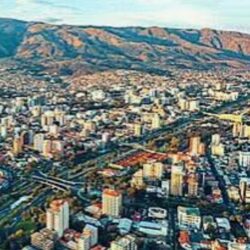
A small group of municipalities dominates in terms of population. El Alto, La Paz, and Viacha form the metropolitan core, concentrating a significant share of the department’s inhabitants, infrastructure, employment, and public services. These urban centers attract continuous internal migration from rural areas and other departments.
Beyond the metropolitan area, La Paz includes medium-sized municipalities such as Caranavi, Pucarani, Achacachi, Sorata, Palos Blancos, and Sicasica, which serve as regional hubs. These municipalities support surrounding areas through agriculture, trade, mining, tourism, and local administration.
The majority of municipalities are small and predominantly rural, many with populations below 10,000 inhabitants. These municipalities are closely linked to traditional agriculture, livestock, artisanal mining, tourism, and indigenous governance structures, particularly in the Altiplano, Yungas, and northern Amazonian regions.
More
Most Populated Municipalities of La Paz Most to least populated of the 87 municipalities of the Department of La Paz Top 10 Most Populated Municipalities of…
La Paz Population by Municipality and Gender Population table for the Department of La Paz, structured by Municipality/TIOC, Total Population, Men, and Women Population by Department and…
Full list of South Africa municipalities South Africa municipalities are categorized into 3: Metropolitans, Districts, Locals Below is the list of the municipalities. [The name of…
List of Pando Municipalities Municipalities of the Department of Pando The Department of Pando is made up of the following 15 municipalities: Blanket Future…
List of Santa Cruz Municipalities. Total: 56 Complete list of municipalities in the Department of Santa Cruz (Bolivia), including the Indigenous Autonomous Territory. Santa Cruz de la…
List of Cochabamba Municipalities List of municipalities (and TIOC) in the Department of Cochabamba Cochabamba Aiquile Pasorapa Omereque Ayopaya Morochata Cocapata Tarata Anzaldo Arbieto…
List of Oruro Most Populated Municipalities List of municipalities and autonomous indigenous territories in the Department of Oruro, ordered from most populated to least populated Oruro…
List of Bulgaria Municipalities List of the municipalities of Bulgaria, grouped by province (oblast). Total: 265 municipalities Blagoevgrad Province (14) Bansko Belitsa Blagoevgrad Gotse…
List of Potosí Municipalities List of 42 municipalities and TIOCs in the Potosí Department Potosí Tinguipaya Yocalla Urmiri Uncía Chayanta Llallagua Chuquihuta – Familia…
List of Brunei Municipalities In Brunei Darussalam, municipalities are officially incorporated urban settlements administered directly by municipal departments under the Ministry of Home Affairs.…
South Africa Provinces and Municipalities South Africa comprises 9 provinces and several municipalities. List of the provinces Eastern CapeFree StateGautengKwaZulu-NatalLimpopoMpumalangaNorthern CapeNorth-WestWestern Cape Administration South Africa’s…
Municipalities of South Africa South Africa is divided into provinces and provinces into municipalities. The municipalities are categorized into 3: Metropolitans, Districts, Locals Below…
Algeria provinces and number of municipalities Algeria has 58 provinces and 1,541 municipalities. The provinces and the number of their municipalities are: ProvinceNumber of municipalitiesAdrar16Chlef35Laghouat24Oum El…
Largest Angola provinces by number of municipalities Largest Angola provinces by number of municipalities ProvinceMunicipalitiesUíge16Huila14Malanje14Kwanza Sul12Huambo11Benguela10Cuanza Norte10Lunda Norte10End9Cuando Cubango9 Angola provinces by number of municipalities. From largest…
Smallest Angola provinces by number of municipalities Smallest Angola provinces by number of municipalities ProvinceMunicipalitiesCabinda4Lunda South4Namibe5Bengo6Cunene6Zaire6End9Cuando Cubango9Luanda9Moxico9 Angola provinces by number of municipalities. From smallest to largest…