Mokgenene: Exploring the Heartbeat of Rural Botswana
Discover Mokgenene, a village in Botswana’s Central District. Learn about its culture, economy, challenges, and the future of rural life just 150 km north of Gaborone.
Geographic Overview and Location
Tucked away in Botswana’s Central District, Mokgenene is a tranquil village located approximately 150 kilometers north of Gaborone, the nation’s capital. It lies in a region known for its expansive landscapes, agricultural heritage, and deeply rooted Tswana traditions. While not widely known beyond its district borders, Mokgenene plays an important role in Botswana’s rural framework and offers a unique glimpse into the nation’s grassroots identity.
Significance Within Central District
The Central District is the largest administrative region in Botswana, encompassing numerous villages, towns, and settlements. Mokgenene contributes to this diversity with its own cultural and economic activities, serving as a vital hub for nearby rural communities.
History and Origins
Founding of Mokgenene
Mokgenene has historical roots that trace back several generations. Founded by Batswana families seeking fertile land and safe living environments, the village gradually developed into a structured settlement with basic amenities and an enduring cultural identity.
Evolution of the Village Over Time
Like many traditional villages in Botswana, Mokgenene’s evolution has been influenced by national development policies, rural migration, and infrastructural improvements. While it maintains its traditional lifestyle, elements of modern living—such as mobile connectivity and access to urban centers—are gradually being integrated.
Demographics and Population
Population Size and Composition
Mokgenene is home to a modest population, primarily composed of ethnic Tswana people. The population includes multi-generational households, with a significant number of children and elderly residents, reflecting common demographic patterns in rural Botswana.
Languages Spoken and Cultural Identity
Setswana is the predominant language spoken in Mokgenene, with English commonly used in education and official settings. The village maintains strong ties to Tswana customs, including respect for elders, communal living, and participation in cultural rituals.
Village Infrastructure
Transportation and Road Access
Mokgenene is accessible via gravel and tarred roads, with routes connecting it to larger centers such as Mahalapye and Serowe. Public transport options are limited, but mini-buses and shared taxis operate irregularly, facilitating movement of people and goods.
Utilities: Water, Electricity, and Sanitation
The village has benefited from rural electrification and water supply programs, although some households still rely on boreholes and firewood. Sanitation infrastructure is improving but remains a challenge in outlying homesteads.
Education and Schools
Primary and Secondary Schools
Mokgenene hosts at least one government primary school, serving children from the village and neighboring settlements. For secondary education, students often travel to larger towns.
Educational Access and Youth Development
Access to education remains a priority, though challenges such as long travel distances, limited classroom resources, and a shortage of qualified teachers can affect learning outcomes. Community efforts and government support are working to address these issues.
Healthcare Services
Clinics and Medical Access
A local clinic provides basic health services such as immunizations, prenatal care, and minor treatments. For more advanced medical needs, residents travel to health facilities in nearby towns.
Health Education and Community Support
Health awareness campaigns, often led by NGOs and local health workers, promote sanitation, HIV/AIDS awareness, and maternal health. Traditional medicine also plays a role in community health practices.
Local Economy and Livelihoods
Agriculture and Livestock
Agriculture is the backbone of Mokgenene’s economy. Residents grow maize, sorghum, and beans, while also raising cattle, goats, and poultry. These activities not only support livelihoods but also sustain local food security.
Informal Trade and Small Businesses
Many villagers engage in informal businesses—selling produce, running tuck shops, or providing services like tailoring and mechanics. These small enterprises are vital for household income and community resilience.
Traditional Life and Culture
Tswana Customs and Celebrations
Traditional Tswana practices such as bogadi (bride price), initiation ceremonies, and communal harvest festivals are still observed. These rituals reinforce family ties and maintain cultural heritage.
Local Arts, Music, and Cuisine
Mokgenene boasts unique traditional music and storytelling sessions around the fire. Dishes like bogobe, serobe, and seswaa are central to social gatherings and everyday life.
Community and Governance
Village Leadership and Tribal Administration
A kgotla (community court and meeting area) lies at the center of governance in Mokgenene. Led by the chief (kgosi) and village elders, the kgotla manages local disputes, land issues, and development initiatives.
Role in the Larger Central District
Though small, Mokgenene is active in district-level planning and social development programs. It contributes to regional census data, political representation, and rural development strategies.
Environment and Climate
Geographic Features and Soil Types
Mokgenene is surrounded by savannah terrain, featuring bush shrubs, acacia trees, and sandy soils. These conditions support both crop farming and grazing activities.
Rainfall and Seasonal Variations
The village experiences a semi-arid climate, with most rainfall occurring between November and March. Prolonged dry seasons and droughts pose challenges to agriculture and water availability.
Religion and Beliefs
Mokgenene’s residents practice various forms of Christianity, with churches playing a prominent social and spiritual role. Some traditional beliefs, including ancestral worship and rituals, coexist with Christian teachings.
Challenges Facing Mokgenene
Rural Development Issues
Key challenges include limited job opportunities, aging infrastructure, and poor access to higher education and healthcare. Rural-urban migration is drawing youth away in search of better prospects.
Youth Migration and Economic Opportunities
Many young people leave Mokgenene for cities like Gaborone or Francistown, contributing to a “brain drain” that weakens rural economies and social structures.
Development Projects and Initiatives
Government and NGO Involvement
Botswana’s government, along with organizations like the Botswana Council of Non-Governmental Organisations (BOCONGO), is working to improve rural electrification, school access, and agricultural support in Mokgenene.
Community-Led Innovations
Local initiatives, such as cooperative farming groups and women’s sewing clubs, are helping to create income streams and foster self-reliance within the village.
Connectivity and Communication
Mokgenene has access to mobile networks, allowing residents to use phones and internet services, though connectivity may be weak in remote areas. Digital tools are increasingly used for education and trade.
Tourism and Attractions
While not a major tourist destination, Mokgenene offers an authentic experience of rural Botswana. Cultural tours, traditional meals, and homestays present opportunities for eco-tourism and cultural exchange.
FAQs About Mokgenene
1. Where is Mokgenene located? Mokgenene is located in Botswana’s Central District, about 150 km north of Gaborone.
2. What is the main economic activity in Mokgenene? Agriculture and livestock farming are the main sources of income for most residents.
3. What language is spoken in Mokgenene? Setswana is the primary language, with English used in schools and official communication.
4. Are there schools in Mokgenene? Yes, the village has a primary school and access to nearby secondary education facilities.
5. How do residents access healthcare? A local clinic offers basic services, with referrals to larger towns for specialized care.
6. What cultural practices are observed in Mokgenene? Traditional Tswana customs like bogadi, initiation ceremonies, and communal festivals are still practiced.
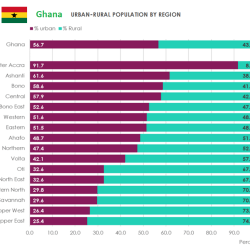
Ghana’s urban, rural population Proportion of the population that is urban varies across Ghana’s regions with the highest in Greater Accra Region (91.7%) and…
Botswana Botswana is a country in Africa. Botswana is topographically flat, with approximately 70 percent of its territory being the Kalahari…
Botswana population The population of Botswana is 2,359,609 (Census 2022). The figure indicates an increase of 334,705 persons from 2,024,904 estimated in…
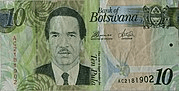
Botswana currency Pula is the currency of Botswana. It has the ISO 4217 code BWP and is subdivided into 100 thebe. Pula…
Botswana capital city Gaborone is the capital and largest city of Botswana with a population of 246,325 (2022 census). The capital city is…
Botswana capital and currency The capital of Botswana is Gaborone and the currency is Pula. Gaborone (pronounced GAH-bə-ROH-nee) is also largest city of Botswana…
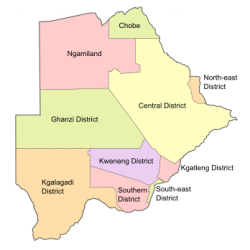
Botswana map Map of Botswana showing districts Districts of Botswana Botswana’s ten districts are: Southern District South-East District Kweneng District Kgatleng District…
Botswana capital Gaborone is the capital of Botswana. Gaborone (pronounced GAH-bə-ROH-nee) is also largest city in the country with a population of…
Botswana economy The economy of Botswana is currently one of the world’s fastest growing economies, Economic growth since the late 1960s has…
Is Botswana a rich or poor country Botswana is a rich country. It transitioned from being a poor country to an upper middle-income country. The economy of Botswana…
Is Botswana a good place to live Botswana is a good place to live especially in urban areas where basic amenities are often available. The country is…