Ras El Tin Palace is one of Egypt’s most iconic royal residences. Discover its rich history, majestic architecture, and royal legacy from Mohamed Ali to King Farouk.
Historical Background of Ras El Tin Palace
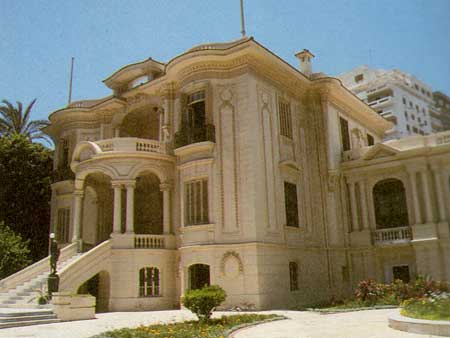
Ras El Tin Palace stands as a magnificent testament to Egypt’s regal architectural lineage. Located in Alexandria, its creation was spearheaded by Mohamed Ali Pasha in 1834. The aim? To craft a strategic seaside fortress that echoed the power and grandeur of the Salah El-Din Citadel in Cairo.
Mohamed Ali envisioned the palace not only as a royal residence but as a statement of strength and modernity. He commissioned Yezi Bek, a prominent architect of the era, to design and construct the palace, combining classical European influences with a distinctly Egyptian flair.
The name “Ras El Tin” translates to “Cape of Figs,” derived from its location near fig orchards along Alexandria’s coast. This was no ordinary royal dwelling—it was meant to represent the very soul of the modern Egyptian state that Mohamed Ali sought to build.
Timeline of Construction and Key Milestones
Construction Timeline: 1834–1848
Over 13 years of careful planning, design, and construction were poured into the building of Ras El Tin Palace. Although many of its original elements have since been modified, a few remnants of the first design still stand tall.
Mohamed Ali Gate: The grand eastern gate, known as the Mohamed Ali Gate, serves as a historical relic from the initial construction phase.
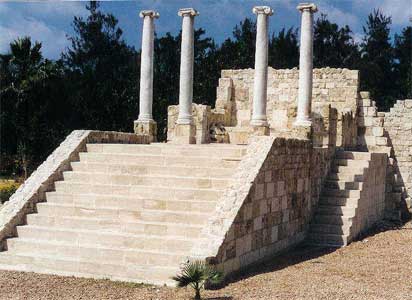
Granite Columns: These robust columns, salvaged from the original design, now silently narrate tales of a bygone era.
Architectural Style and Unique Features
The architecture of Ras El Tin Palace was unlike anything else in Egypt at the time. Modeled to resemble a Roman fort, it melded ancient Roman and Mediterranean styles with Ottoman design principles.
Notable Features Include:
Ornate granite pillars and arched ceilings
Elaborate wooden interiors and gold-plated décor
Strong stone foundation ideal for a fortress
The palace was not merely functional—it was majestic, reinforcing the grandeur of Egypt’s rising leadership under Mohamed Ali.
Role During the Mohamed Ali Dynasty
Under Khedive Ismail, the grandson of Mohamed Ali, Ras El Tin evolved from a fortified palace into a summer retreat for the royal family. It became a seasonal hub of political meetings, royal festivities, and high-level diplomacy.
This transformation set the stage for the palace to serve more as a resort-style dwelling, reflecting luxury and ease while retaining its strong military foundation.
Modernization Under King Fouad I
When King Fouad I assumed power in the early 20th century, he initiated a major reconstruction of the palace. By this time, the world was changing, and royal residences needed to keep up.
Key Changes Introduced by King Fouad I:
Expansion into a three-story building
Extensive interior redesign to reflect a more contemporary European style
Addition of new reception halls, royal bedrooms, and government offices
These upgrades made Ras El Tin a blend of historical legacy and modern opulence.
More
Ras el-Tin Palace, Alexandria, Egypt The historic Ras el-Tin Palace is considered one of the oldest palaces existing in Egypt and Alexandria today. It is…
Legacy of Tin and Columbite Mining in Jos Explore the history of tin and columbite mining in Jos, Nigeria. Discover how British colonial interests shaped Plateau State’s growth…
Lagos Port Terminals. Apapa and Tin Can Island Apapa TerminalsOperatorsType of CargoAreas CoveredCommencementDateTerminal A & BApapa Bulk Terminals LtdBulkBerths 1-5, Sheds andWarehouse3rd April, 2006Terminal C & DENL Consortium-Break…