Districts of Carinthia, Austria: Urban and Rural Divisions
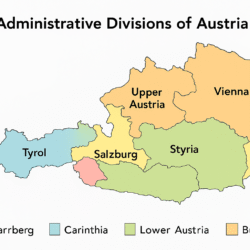
Administrative structure of Carinthia, Austria. Its two statutory cities, eight rural districts, and 132 municipalities, each rich in history, culture, and Alpine beauty.
Carinthia (German: Kärnten) is Austria’s southernmost federal state, celebrated for its stunning alpine lakes, charming valleys, and vibrant mix of cultures. Beyond its scenic splendor, Carinthia stands out for its well-organized administrative divisions that help manage its diverse communities. The state is divided into ten districts—two statutory cities and eight rural districts—comprising 132 municipalities, of which 17 are towns and 40 hold market town status (Marktgemeinden).
Understanding these divisions offers a deeper look into how governance, culture, and local identity intertwine in this picturesque part of Austria.
Statutory Cities of Carinthia
Carinthia’s two statutory cities (Statutarstädte)—Klagenfurt and Villach—hold a special status. They function both as municipalities and districts, giving them administrative independence and local governance authority comparable to that of a district.
Klagenfurt (Licence Plate Code: K)
The capital and largest city of Carinthia, Klagenfurt lies on the eastern shore of the famous Wörthersee Lake. It serves as the political, cultural, and educational heart of the state. The city is home to the University of Klagenfurt, vibrant marketplaces, and a rich architectural heritage blending Renaissance courtyards with modern structures.
As a statutory city, Klagenfurt manages its administrative affairs autonomously, overseeing urban planning, local infrastructure, and cultural initiatives without depending on a rural district authority. This independence reflects its significance as the hub of southern Austria.
Villach (Licence Plate Code: VI)
Villach, the second statutory city, is nestled along the Drava River, surrounded by majestic mountain ranges such as the Dobratsch and the Villacher Alps. It’s famous for its Villacher Kirchtag, Austria’s largest traditional folk festival, which showcases the region’s customs and Carinthian hospitality.
As a major industrial and transport center, Villach connects Austria with Italy and Slovenia, fostering cross-border cooperation and cultural exchange. Its autonomous status enables the city to efficiently manage urban development and international relations within the Alps-Adriatic region.
Rural Districts of Carinthia
Carinthia’s eight rural districts (Bezirke) form the backbone of regional administration. Each district includes a combination of towns, market towns, and smaller municipalities, reflecting the state’s blend of rural charm and historical legacy.
1. Feldkirchen District (FE)
Administrative Seat: Feldkirchen in Kärnten
Located in the central part of Carinthia, the Feldkirchen District is known for its rolling hills, pristine lakes, and tranquil villages. The district includes municipalities such as Albeck, Gnesau, Ossiach, and Steuerberg. Ossiach, in particular, is famous for its Baroque Ossiach Abbey and the Carinthian Summer Music Festival, attracting artists and visitors from across Europe.
This district combines cultural richness with natural beauty, offering countless outdoor activities around Lake Ossiach (Ossiacher See).
2. Hermagor District (HE)
Administrative Seat: Hermagor-Pressegger See
The Hermagor District lies near the Italian border and is celebrated for its unspoiled landscapes and alpine lifestyle. Its market towns, such as Kirchbach and Kötschach-Mauthen, retain a traditional Carinthian character. The Gailtal Valley and Pressegger See provide a serene setting for nature lovers, while the Nassfeld Ski Resort stands among Austria’s top winter destinations.
Hermagor exemplifies the perfect blend of tourism, nature, and heritage in Carinthia’s western highlands.
3. Klagenfurt-Land District (KL)
Administrative Seat: Klagenfurt (not part of the district)
Encircling the capital city, Klagenfurt-Land is dotted with picturesque lakes and charming market towns such as Ferlach, Feistritz im Rosental, and Schiefling am See. The area is a paradise for hikers and cyclists, featuring Lake Wörthersee, Keutschach Lake Valley, and the Pyramidenkogel Observation Tower, which offers sweeping views of Carinthia’s landscapes.
Cultural highlights include Ferlach’s gunsmithing tradition, recognized by UNESCO as intangible cultural heritage.
4. Sankt Veit an der Glan District (SV)
Administrative Seat: Sankt Veit an der Glan
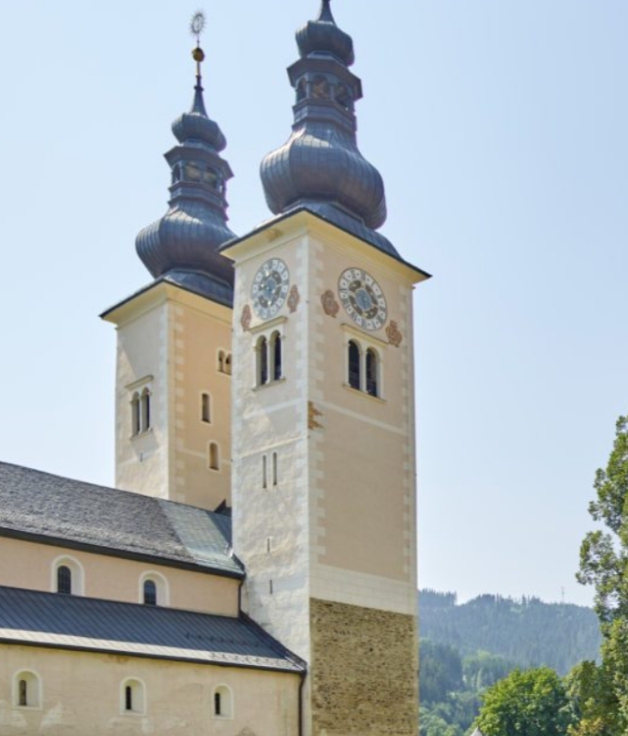
This northern Carinthian district is steeped in medieval history. Towns like Friesach, Althofen, and Straßburg are filled with historic fortifications, old town walls, and castles that reflect Carinthia’s rich past. The Gurk Cathedral in the market town of Gurk is a Romanesque masterpiece and an important pilgrimage site.
Sankt Veit district balances cultural depth with rural life, showcasing traditional crafts, fairs, and a strong sense of community.
5. Spittal an der Drau District (SP)
Administrative Seat: Spittal an der Drau
The largest district in Carinthia by area, Spittal an der Drau encompasses parts of the Hohe Tauern mountain range and several alpine lakes, including Lake Millstatt (Millstätter See). The district’s towns—Gmünd and Radenthein—offer both artistic heritage and mineral wealth. Gmünd, for instance, is known as an artists’ town, featuring galleries and studios set within medieval streets.
Outdoor enthusiasts can explore the Grossglockner High Alpine Road, Nockberge Biosphere Park, and countless hiking trails around Heiligenblut and Bad Kleinkirchheim.
6. Villach-Land District (VL)
Administrative Seat: Villach (not part of the district)
Surrounding the city of Villach, this district includes popular tourist destinations such as Velden am Wörthersee, Finkenstein am Faaker See, and Arnoldstein. Its location between the Gailtal Alps and Karawanks mountain range offers access to hiking, skiing, and spa resorts.
Velden, with its grand lakefront villas and the iconic Schloss Velden, is one of Austria’s most glamorous holiday spots. The district’s combination of alpine adventure and lakefront luxury makes it a jewel of southern Carinthia.
7. Völkermarkt District (VK)
Administrative Seat: Völkermarkt
Located in southeastern Carinthia, the Völkermarkt District is characterized by lush farmland, historical towns like Bleiburg, and idyllic lakes such as Klopeiner See—one of Europe’s warmest bathing lakes. The Jaun Valley (Jauntal) highlights the region’s bilingual heritage, where German and Slovene cultures coexist harmoniously.
Festivals, wine traditions, and open-air markets reflect the district’s strong community spirit and agricultural roots.
8. Wolfsberg District (WO)
Administrative Seat: Wolfsberg
Nestled in the Lavanttal Valley, Wolfsberg is both an industrial and agricultural district. It includes towns such as Sankt Andrä and Bad Sankt Leonhard, along with market towns like Frantschach-Sankt Gertraud and Reichenfels.
Known as the “Paradise of Carinthia,” the Lavanttal is filled with orchards, vineyards, and forested hills. The district also features ancient castles, baroque churches, and scenic drives through the Saualpe Mountains, making it a favorite among locals and tourists alike.
Municipalities and Local Governance
Carinthia’s 132 municipalities reflect a well-balanced administrative system. Each municipality, whether a town (Stadt), market town (Marktgemeinde), or simple municipality (Gemeinde), plays a vital role in maintaining local infrastructure, education, and cultural programs.
The 17 towns typically serve as economic hubs, while the 40 market towns preserve Carinthia’s deep-rooted trading traditions that date back to the Middle Ages.
Cultural and Geographical Diversity Across Districts
Carinthia’s districts are as diverse as its terrain—ranging from mountainous western regions to lake-filled valleys in the east. This variety nurtures distinct dialects, culinary styles, and folk traditions. Events like the Villacher Kirchtag, Gurk Pilgrimages, and Millstatt Summer Concerts celebrate the state’s enduring heritage.
Frequently Asked Questions (FAQs)
1. How many districts does Carinthia have? Carinthia has a total of ten districts—two statutory cities (Klagenfurt and Villach) and eight rural districts.
2. What are the statutory cities of Carinthia? The statutory cities are Klagenfurt and Villach, both of which serve as independent administrative units.
3. Which is the largest district in Carinthia? The Spittal an der Drau District is the largest in terms of area, covering vast alpine regions and multiple lakes.
4. What is the warmest lake in Carinthia? Lake Klopeiner See, located in the Völkermarkt District, is known as one of the warmest bathing lakes in Europe.
5. How many municipalities are there in Carinthia? There are 132 municipalities, including 17 towns and 40 market towns.
6. What makes Carinthia unique among Austrian states? Carinthia stands out for its Alpine–Adriatic culture, bilingual heritage (German and Slovene), and its abundance of lakes, making it one of Austria’s most scenic and culturally rich regions.
The districts of Carinthia together form a vibrant mosaic of landscapes, communities, and traditions. From the urban pulse of Klagenfurt and Villach to the serene valleys of Hermagor and Wolfsberg, each district offers a unique perspective on Carinthian life.
Exploring Carinthia means discovering not just places—but stories, languages, and a way of life deeply rooted in the heart of the Alps.
More
Ghana’s urban, rural population Proportion of the population that is urban varies across Ghana’s regions with the highest in Greater Accra Region (91.7%) and…
BENUE COMMENCES URBAN RENEWAL PROJECTS Benue State Governor Hyacinth Alia recently initiated urban renewal projects aimed at transforming infrastructure across Makurdi and other key areas.…
Ghana’s urban population Urban population continues to grow, increasing from 12,545,229 (50.9%) in 2010 to 17,472,530 (56.7%) in 2021 with almost half (47.8%)…
Gurk Cathedral: A Romanesque Jewel of Austria Nestled in the serene Gurktal Valley of Carinthia, Austria, Gurk Cathedral (Dom zu Gurk, officially Pfarr- und ehemalige Domkirche Mariae Himmelfahrt) stands as…