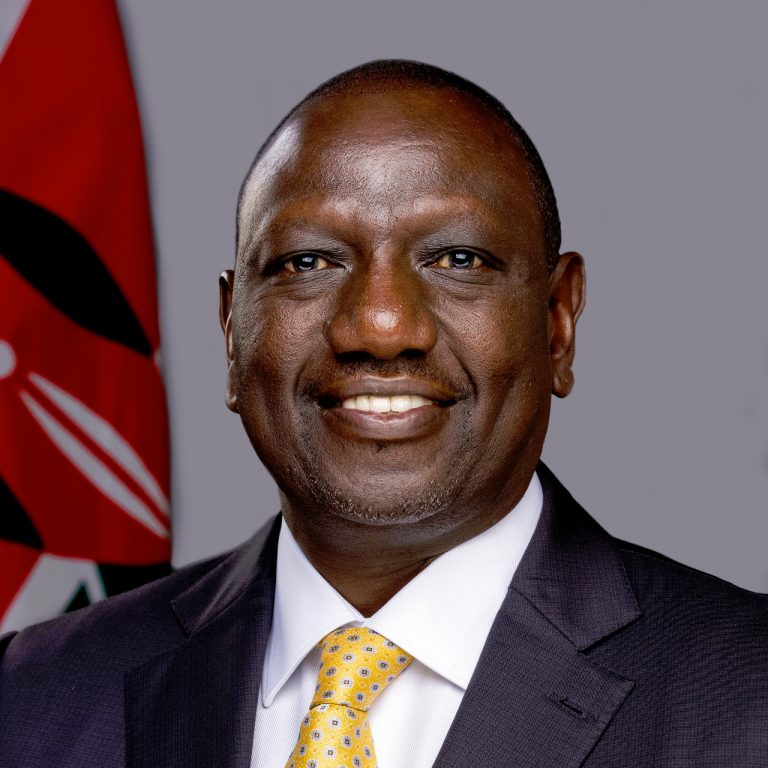
Cabinet of the Republic of Kenya under President His Excellency Dr. William Samoei Ruto, C.G.H., reflecting recent reorganizations. This includes official nominations, confirmed roles, and notable portfolio assignments from verified government sources.
Executive Leadership
President: His Excellency Dr. William Samoei Ruto, C.G.H.
Deputy President: His Excellency Prof. Kithure Kindiki.
Prime Cabinet Secretary: His Excellency Dr. Musalia Mudavadi, E.G.H. — also Cabinet Secretary for Foreign and Diaspora Affairs.
Cabinet Secretaries and Portfolios
Ministry / Office
Cabinet Secretary
Notes
Interior & National Administration
Prof. Kithure Kindiki
Retained in senior national security and administration role.
National Treasury & Economic Planning
John Mbadi Ng’ongo
Certified Public Accountant, leads budget, finance, and economic planning.
Defence
Roselinda Soipan Tuya
Oversees defence policy and strategic national security.
Health
Hon. Aden Duale
Reassigned to lead the Ministry of Health as part of the March 2025 reshuffle.
Education
Julius Migosi Ogamba
Heads the Ministry of Education, driving policy on basic and higher learning.
Roads & Transport
Davis Chirchir
Responsible for infrastructure development and transport systems.
Water, Sanitation & Irrigation
Eric Muriithi Muuga
Focuses on sustainable water access and agricultural irrigation frameworks.
Agriculture & Livestock Development
Mutahi Kagwe
Leads efforts on agricultural productivity and livestock economy.
Co-operatives & MSME Development
Wycliffe Ambetsa Oparanya
Champions cooperative movements and small-medium enterprise growth.
Public Service & Human Capital Development
Geoffrey Kiringa Ruku
Appointed in 2025 to oversee public service reform and workforce development.
Environment, Climate Change & Forestry
Dr. Deborah Mlongo Barasa
Heads environmental stewardship and climate policy.
Mining, Blue Economy & Maritime Affairs
Hassan Ali Joho
Directs policies for resource extraction, marine economy, and maritime governance.
Energy & Petroleum
James Opiyo Wandayi
Manages national energy infrastructure and petroleum sector oversight.
Tourism & Wildlife
Rebecca Miano
Leads tourism promotion and wildlife conservation strategy.
Trade, Investments & Industry
Lee Maiyani Kinyanjui
Responsible for trade policy, investment promotion, and industrial development.
Gender, Culture, The Arts & Heritage
Hanna Wendot Cheptumo
Nominated to promote gender equity, cultural policy, arts, and heritage programming.
Information, Communication & Digital Economy
William Kabogo Gitau
Oversees ICT policy, digital transformation and communications.
Attorney-General
Ms. Dorcas Agik Oduor, SC, E.B.S., O.G.W.
Principal legal adviser to the government.
East Africa Community & Regional Affairs
Ms. Beatrice Asukul Moe
Guides Kenya’s regional integration initiatives.
Secretary to the Cabinet
Mercy Kiiru Wanjau
Administrative head coordinating Cabinet operations.
Structural Reforms and Context
Broad-Based Cabinet Formation
President Ruto dissolved his previous Cabinet in July 2024 to institute a “broad-based government” with strategic political alliances and technocratic expertise.
Reshuffles and Reassignments
The Cabinet underwent significant reorganization in March 2025, which included:
New Cabinet Secretary nominations (e.g., Hanna Wendot Cheptumo; Geoffrey Kiringa Ruku) and strategic portfolio reassignments.
Movement of key officials such as Aden Duale to the Ministry of Health and Deborah Barasa to Environment, Climate Change & Forestry.
Government Priorities and Cabinet Role
The Cabinet is key to implementing the government’s strategic agendas, notably:
Economic transformation and fiscal stability (e.g., sovereign wealth and infrastructure funds to mobilize investments).
Public service reform and accountability under ongoing leadership changes.
Climate, energy, and infrastructure policy alignment with national development frameworks.
William Ruto
The Cabinet of the Republic of Kenya under President William Ruto reflects a blend of political coalition representation, technocratic appointments, and strategic portfolio placements aimed at addressing economic, social, and security priorities. The leadership structure continues to evolve, guided by constitutional procedures and parliamentary vetting processes.
Ministries of the Government of Kenya Government of Kenya ministries as listed on the official Kenyan Presidential website, with details on their roles and functions where…
Burundi government ministers, 2024 Members of the Burundi Government Cabinet as of 2024 Lieutenant General of Police Gervais NDIRAKOBUCA Prime minister Mr Martin NITERETSE Minister of…
World Heritage Sites in Kenya UNESCO World Heritage Sites in Kenya are: Lake Turkana National Parks Mount Kenya National Park/Natural Forest Lamu Old Town Sacred…
Tourist places in Kenya The wildebeest migration in the Maasai Mara has innately put Kenya’s tourism on the global map but there is more…
Company Registration In Kenya A person wishing to incorporate a company in Kenya should lodge with the Registrar the following documents: 1. Application and…
Starting a Business in Mombasa, Kenya Mombasa is a coastal city in southeastern Kenya along the Indian Ocean. It was the first capital of British East…
Mombasa, Kenya Mombasa is a coastal city in southeastern Kenya along the Indian Ocean. It was the first capital of British East…
Ethiopia Ministers: Names and Basic Details Ethiopia is a federal parliamentary republic led by Prime Minister Abiy Ahmed. The President, Taye Atske-Selassie, is the head of…
List of Ministers in Trinidad and Tobago A look at the Government of Trinidad and Tobago under Prime Minister Kamla Persad-Bissessar, as sworn in following the 2025…
Barbados Ministries and their Ministers A full list of ministries in Barbados along with the current minister (or responsible office-holder) for each. Ministries and their…