Berber Language: Distribution by Country and Number of Speakers
The Berber language is one of Africa’s oldest and most resilient linguistic families. Spoken for thousands of years across North Africa, it represents the voice of the Indigenous Amazigh people. Despite centuries of foreign influence, migration, and political change, the Berber language continues to thrive, adapt, and gain recognition in modern society.
Today, more than 18 million people speak Berber in various forms. Its presence spans deserts, mountains, coastal regions, and even European cities. Understanding where the Berber language is spoken and who speaks it offers valuable insight into North African history, identity, and cultural continuity.
Historical Roots of the Berber Language
The origins of the Berber language date back to ancient times, long before the Arab expansion or European colonization. Linguists classify Berber as part of the Afroasiatic language family, alongside Arabic and Hebrew.
Historically, Berber-speaking communities occupied vast areas from Egypt’s Siwa Oasis to the Atlantic coast of Morocco. Over time, dialectal differences emerged due to geography, trade routes, and tribal distinctions. Yet, all Berber varieties share core grammatical structures and vocabulary that link them to a common ancestral language.
Geographical Distribution of the Berber Language
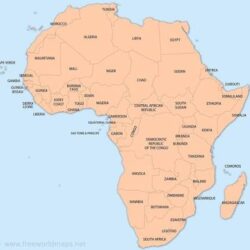
The Berber language is spoken mainly in four core countries, with additional communities spread across North Africa and Europe.
Primary Berber-Speaking Countries
Berber has its strongest presence in:
Morocco
Algeria
Niger
Mali
These countries form the heartland of Berber linguistic and cultural life.
Secondary Regions
Smaller Berber-speaking populations are found in:
Mauritania
Tunisia (especially the island of Djerba)
Libya
Egypt (Siwa Oasis)
Northern Burkina Faso
Each of these communities preserves unique dialects shaped by local history and environment.
Berber Language Speakers by Country
Below is an estimated breakdown of Berber speakers worldwide:
Country
Estimated Speakers
Morocco
8,000,000
Algeria
7,000,000
France
1,500,000
Niger
800,000
Mali
500,000
Libya
200,000
Burkina Faso
35,000
Egypt
30,000
Tunisia
30,000
These figures highlight how the Berber language remains strongest in North Africa while also maintaining a significant presence abroad.
The Berber Language in Morocco
Morocco is home to the largest number of Berber speakers. Major dialects include:
Tashelhit (south)
Central Atlas Tamazight
Tarifit (north)
In 2011, Morocco officially recognized Berber as a national and official language, a milestone that boosted education, media, and cultural preservation.
The Berber Language in Algeria
Algeria has the second-largest Berber-speaking population. Kabyle, spoken in the Kabylie region, is the most prominent dialect. Other varieties include Chaoui and Mozabite.
Berber gained official language status in Algeria in 2016, leading to expanded broadcasting, schooling, and public visibility.
Tuareg Berber in Niger and Mali
In Niger and Mali, Berber is spoken mainly by the Tuareg people. Their variety of the Berber language is closely tied to nomadic life, poetry, and oral tradition.
Unlike northern dialects, Tuareg Berber retains the ancient Tifinagh script, which is still used in cultural and symbolic contexts today.
Berber Language in Europe
France hosts the largest Berber-speaking diaspora in the world. Migration during the 20th century brought millions of Amazigh speakers to Europe.
In France, the Berber language is:
Spoken at home
Taught in cultural associations
Used in music, literature, and online platforms
This diaspora plays a key role in preserving Berber identity beyond Africa.
Dialects and Linguistic Diversity
The Berber language is not a single uniform tongue but a collection of related dialects. Despite variation in pronunciation and vocabulary, most dialects remain mutually intelligible to some degree.
Common features include:
Root-based word formation
Gendered nouns
Verb systems similar across regions
This diversity reflects the adaptability and longevity of the language.
Writing Systems Used in the Berber Language
Historically, Berber was mainly an oral language. Today, it is written using:
Tifinagh (traditional and symbolic)
Latin script (education and research)
Arabic script (historical texts)
Modern education systems increasingly favor standardized Tifinagh for official use.
Cultural Importance of the Berber Language
Language is central to Amazigh identity. Berber is used in:
Folktales and proverbs
Music and poetry
Traditional ceremonies
Its survival is closely linked to cultural pride and intergenerational transmission.
Modern Revival and Language Policy
Recent decades have seen a revival of the Berber language through:
Constitutional recognition
School curricula
Television and radio broadcasting
These efforts aim to protect Berber for future generations.
Challenges Facing the Berber Language
Despite progress, challenges remain:
Urban language shift
Limited resources in rural areas
Competition with dominant national languages
Continued policy support and education are essential for long-term survival.
FAQs About the Berber Language
Is the Berber language still widely spoken?
Yes, the Berber language is spoken by over 18 million people across Africa and Europe.
Which country has the most Berber speakers?
Morocco has the largest Berber-speaking population.
Is Berber the same as Arabic?
No, Berber and Arabic are different languages, though both belong to the Afroasiatic family.
What script does the Berber language use?
Berber uses Tifinagh, Latin, and Arabic scripts depending on context.
Is Berber taught in schools?
Yes, especially in Morocco and Algeria where it has official status.
Can Berber disappear?
While challenges exist, revitalization efforts make extinction unlikely in the near future.