Thimphu is the capital and largest city of Bhutan, located in the western central part of the country along the Wang Chuu River. Unlike most capital cities around the world, Thimphu balances modern governance with centuries-old traditions, making it a rare example of cultural continuity in an urban setting. Officially declared the capital in 1961 by the 3rd Druk Gyalpo Jigme Dorji Wangchuck, Thimphu replaced the ancient capital of Punakha and began its journey as the administrative heart of the kingdom.
Despite its growing population and infrastructure, Thimphu remains calm and deeply spiritual, reflecting Bhutan’s guiding philosophy of Gross National Happiness rather than unchecked economic growth.
Geographic Setting and Natural Environment
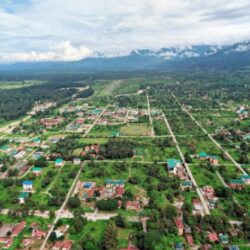
Thimphu sits in a broad Himalayan valley surrounded by forested hills, agricultural land, and flowing rivers. The Wang Chuu River shapes the city’s layout and provides a natural boundary for many districts. Its elevation gives the city a cool, pleasant climate throughout most of the year, supporting both urban life and surrounding farmland.
The city’s planning places strong emphasis on environmental protection, ensuring rivers, forests, and green hills remain integral parts of the urban landscape.
Historical Evolution of Thimphu
For centuries, the Thimphu valley consisted of scattered settlements centered around monasteries and dzongs. In 1955, the royal court began shifting administrative functions from Punakha to Thimphu due to its more central location. This transition was finalized in 1961, officially establishing Thimphu as the capital of the Kingdom of Bhutan.
At that time, Thimphu was little more than a small village clustered around Tashichho Dzong. Over the decades, careful and regulated development transformed it into a functioning capital while retaining its traditional identity.
Administrative and Political Significance
Thimphu is the seat of Bhutan’s royal government and national administration. Tashichho Dzong stands as the most prominent landmark, serving as both the administrative headquarters and a major monastic center. The city also hosts the National Assembly, ministries, and foreign missions, making it the political nerve center of Bhutan.
This close integration of governance and spirituality is a defining feature of Thimphu’s urban character.
Districts of Thimphu City
Thimphu is divided into several districts, known locally as demkhongs, each contributing to the city’s diversity.
Changangkha is home to one of the oldest temples in the valley, Changangkha Lhakhang, a site of deep religious importance. Chubachu forms the central commercial and cultural district, housing markets, museums, and libraries. Motithang is a quiet residential area known for state guest houses, educational institutions, and the Motithang Takin Preserve. Langjupakha hosts major government buildings, including the National Assembly and Royal Banquet Hall. Zilukha, located in the northern part of the city, offers scenic views, religious sites, and recreational spaces.
Together, these districts create a city that blends residential life, governance, culture, and nature.
Cultural and Religious Life
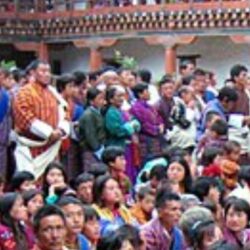
Religion plays a central role in daily life in Thimphu. Monasteries, chortens, prayer wheels, and prayer flags are visible throughout the city. Annual festivals, religious ceremonies, and community rituals reinforce spiritual values and social cohesion.
The city is also home to institutions dedicated to preserving Bhutanese culture, including traditional arts, textiles, and folk heritage.
Architecture and Urban Identity
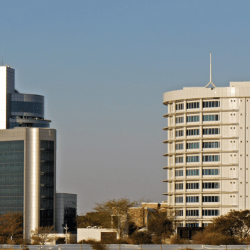
One of the most distinctive aspects of Thimphu is its architecture. By law, all buildings must reflect traditional Bhutanese design, featuring painted motifs, wooden windows, and sloping roofs. Even modern structures such as banks and government offices follow these guidelines, ensuring architectural harmony across the city.
This approach prevents visual disorder and preserves the city’s cultural identity amid modernization.
City Planning and the Thimphu Structure Plan
Urban growth in Thimphu is guided by the Thimphu Structure Plan, developed in 1998 and approved in 2003. The plan aims to protect the valley’s fragile ecology while addressing rising population and infrastructure needs. It emphasizes controlled building heights, limited plot coverage, and preservation of open spaces.
International organizations such as the World Bank and Asian Development Bank have supported the plan, reflecting global recognition of Thimphu’s sustainable development model.
Sustainable Development and Future Vision
Thimphu’s long-term vision focuses on walkable neighborhoods, car-free zones, riverfront parks, and strict conservation rules. Construction is prohibited near rivers and streams, and green spaces are protected from overdevelopment.
By 2027, large sections of the city are expected to prioritize pedestrians, cultural spaces, and community areas over vehicle traffic.
Urban Expansion and Population Growth
Since becoming the capital, Thimphu has experienced steady expansion, particularly after Bhutan opened to the outside world. Rural migration has contributed to population growth, leading to new residential areas and commercial zones. Despite this, the city has avoided uncontrolled sprawl through strict planning and zoning regulations.
Economy and Civic Life
The economy of Thimphu is driven by government services, tourism, education, healthcare, and small-scale commerce. Markets, shops, hotels, and restaurants provide employment while maintaining a local, community-oriented character.
Civic amenities such as hospitals, schools, media centers, and cultural institutions support a high quality of life for residents.
Tourism and Visitor Experience
Thimphu is a key destination for visitors seeking insight into Bhutanese culture and governance. Attractions such as Tashichho Dzong, the Memorial Chorten, traditional markets, and museums offer meaningful cultural experiences.
Frequently Asked Questions About Thimphu
Is Thimphu the largest city in Bhutan? Yes, Thimphu is both the capital and the largest city in Bhutan.
When did Thimphu become the capital of Bhutan? Thimphu was officially declared the capital in 1961.
Does Thimphu have traffic lights? No, traffic is managed by police officers instead of traffic lights.
Why is traditional architecture mandatory in Thimphu? To preserve Bhutanese cultural identity and maintain visual harmony.
What river flows through Thimphu? The Wang Chuu River flows through the city.
Is Thimphu environmentally friendly? Yes, the city emphasizes sustainable planning, green spaces, and ecological protection.
Thimphu stands as a rare example of a capital city that grows without losing its soul. Through thoughtful planning, cultural preservation, and environmental care, it reflects Bhutan’s unique vision of development. As the city continues to evolve, Thimphu remains a symbol of balance between tradition and modern life.
List of Bhutan Languages Bhutan is a small yet remarkably diverse Himalayan kingdom nestled between China and India. Despite its modest population and land…
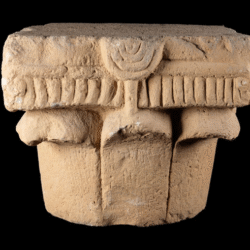
Menorah Capital Discovered in Jerusalem Astonishing One-of-a-Kind Stone Capital with Menorah, Lasting 1,500 Years Old, Unearthed in Jerusalem One-of-a-kind stone capital with menorah – Unearthed…
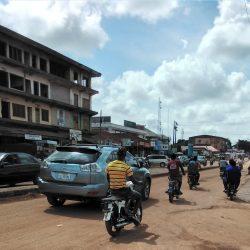
Gboko: The Capital of Tiv Nation Gboko, a vibrant and fast-growing town in Benue State, North-central Nigeria, holds a prominent position as the traditional capital of…
Adi: The Capital of Etulo People Adi is a vibrant and culturally rich town that serves as the capital of the Etulo people in Benue State,…
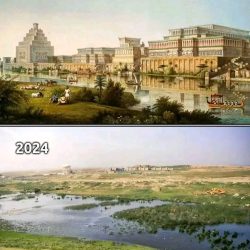
Nineveh: The Ancient Capital of Assyria Nineveh stands out in history as one of the oldest and most populous cities of ancient Assyria, located strategically on…
Burundi provinces and capital List of Burundi provinces and capital ProvinceCapitalCankuzoCankuzoGitegaGitegaRutanaRutanaRuyigiRuyigiKaruziKaruziKayanzaKayanzaKirundoKirundoMuyingaMuyingaNgoziNgoziBururiBururiMakambaMakambaRumongeRumongeBubanzaBubanzaBujumbura MairieBujumburaBujumbura RuralIsaleCibitokeCibitokeMuramvyaMuramvyaMwaroMwaro Burundi Burundi is a country in East Africa. It is bounded…
Gitega: Burundi capital The capital of Burundi is Gitega. Bujumbura was previously the capital until 16 January 2019. While Gitega is the political…
Burundi capital The capital of Burundi is Gitega. Bujumbura was previously the capital until 16 January 2019. While Gitega is the political…
Burkina Faso capital Burkina Faso’s capital is Ouagadougou [Wagadugu]. The city is also the economic centre of the country. Ouagadougou has one of…
Botswana capital Gaborone is the capital of Botswana. Gaborone (pronounced GAH-bə-ROH-nee) is also largest city in the country with a population of…
Botswana capital and currency The capital of Botswana is Gaborone and the currency is Pula. Gaborone (pronounced GAH-bə-ROH-nee) is also largest city of Botswana…
Benin Republic capital The official capital of Benin Republic is Port Novo. Porto Novo is the administrative capital while Cotonou is the commercial…