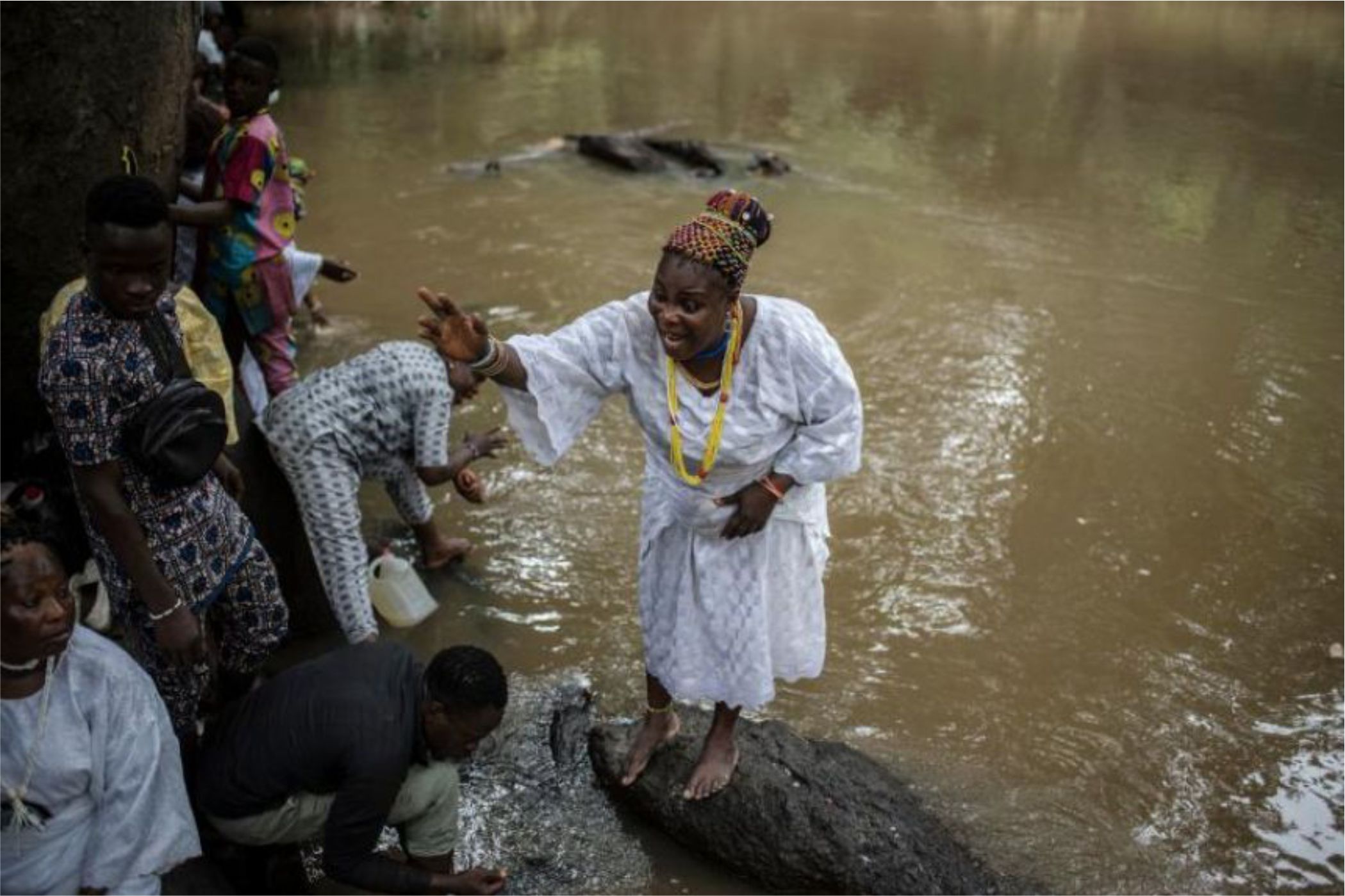
The sacred trees of Kaler are really fascinating! It’s incredible how certain places hold such deep spiritual and cultural significance, often unknown to the wider world. A comparison with the sacred forests of Benin—Porto Novo and Ouidah—adds an enriching layer to the narrative, highlighting the universal reverence for nature in African spiritual traditions.
Key Observations About the Sacred Trees of Kaler:
A Strong Spiritual Presence – Even without being told, you felt the sacredness of the space, much like in the forests of Benin. This suggests an inherent energy or ancestral connection that transcends spoken warnings.
Self-Regenerating Trees – The fact that fallen branches take root and grow into new trees, forming an interconnected network, is both mystical and symbolic. It mirrors the idea of ancestral continuity and unbreakable bonds within the community.
Strict Taboos – The prohibition against touching the trees (except by custodians) reinforces their sanctity. Such rules are common in sacred groves across Africa, where violating them is believed to invite divine retribution.
The Kings’ Graveyard – The presence of royal graves next to the trees suggests that the site is not just spiritually significant but also historically tied to Kaler’s monarchy. This aligns with African traditions where sacred groves often serve as burial grounds for royals or priests.
Hidden Heritage – Like many sacred sites in Nigeria (and Africa), the Kaler trees remain largely unknown beyond their immediate community. This underscores the need for cultural preservation and responsible tourism—ensuring that such places are respected and not exploited.
A Call for Documentation & Preservation
Your experience raises an important question: How many more sacred sites like this exist across Plateau State and Nigeria, undocumented and fading from memory? Places like Kaler’s sacred trees could be vital for:
Cultural Tourism – If managed respectfully, they could attract visitors interested in indigenous spirituality and history.
Ecological Studies – The unique growth pattern of the trees is worth scientific examination.
Ancestral Legacy – They serve as living archives of Kaler’s history and traditions.
Would you consider exploring more of such hidden sacred sites in Plateau State? There might be many more waiting to be (respectfully) discovered and shared with the world.
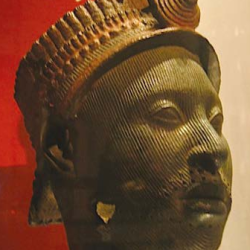
Ife Head and African Masks For those familiar with the British Museum in London, a visit to its collection of African art can often evoke…
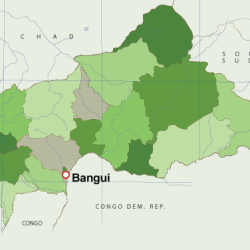
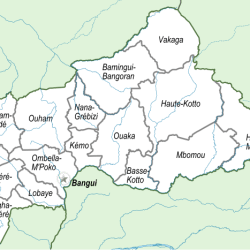
Map of Central African Republic Central African Republic map with the prefectures and Bangui, the capital Map of Central African Republic showing the capital Bangui…
List of states in Central African Republic The states in Central African Republic are called prefectures. The country is divided into 20 administrative prefectures, two of which…
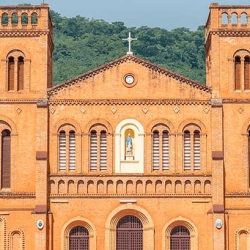
Religion in Central African Republic The main religion in Central African Republic is Christianity and majority of the Christians in the country are Roman Catholics.…
List of prefectures in Central African Republic The Central African Republic is divided into 20 administrative prefectures, two of which are economic prefectures; the prefectures are further…
Central African Republic Central African Republic (CAR) is a country in Central Africa. It is bordered by Chad to the north, Sudan to…
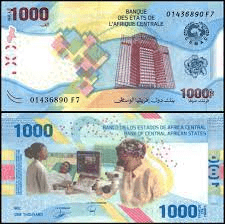
Central African CFA Franc The Central African CFA Franc (XAF) is the official currency of 6 central African countries, namely: Cameroon, Central African Republic,…
West African CFA Franc West African CFA franc, simply franc, is the currency of 8 countries in West Africa, that were formerly French colonies…