The debate over workers’ welfare in Nigeria has taken a fresh turn as the National Public Service Negotiating Council (NPSNC) formally demanded a new minimum wage structure that would raise the least salary for federal public servants to N154,000 monthly.
The proposal, which represents a 120 percent increase in salaries and allowances, comes at a time when inflation, rising fuel prices, and increasing living costs continue to place enormous pressure on Nigerian workers. According to the council, the current salary structure no longer reflects the harsh economic realities facing public servants across the country.
NPSNC Calls for Immediate Salary Review
The demand was contained in an official letter dated March 12, 2026, and addressed to the Office of the Head of the Civil Service of the Federation. The document, titled “Urgent Need for the Upward Review of Salaries and Allowances of Workers in the Nigerian Public Service and Commendation for the Approval of Gratuity Payment to Retiring Workers,” was jointly signed by the National Chairman of the Joint National Public Service Negotiating Council, Benjamin Anthony, and the National Secretary, Olowoyo Gbenga.
The council explained that the proposal emerged from an extensive meeting held on March 9, 2026, at the AUPCTRE National Secretariat in Abuja, where labour representatives reviewed the worsening economic conditions affecting civil servants nationwide.
According to the letter, public workers have continued to face severe financial hardship despite their contributions to governance and national development.
The council stressed that inflation and the declining purchasing power of salaries have significantly reduced the ability of workers to maintain decent living standards.
Rising Cost of Living Driving Labour Demands
The NPSNC highlighted several economic factors behind its demand for wage adjustments. These include:
High inflation rates
Increased fuel prices
Rising transportation costs
Escalating food prices
Expensive housing and rent
Growing healthcare expenses
Rising education costs
The council noted that these economic pressures have steadily eroded the real value of workers’ earnings over the years.
According to the labour body, previous salary adjustments failed to keep pace with Nigeria’s current economic conditions, leaving many workers unable to meet basic financial obligations.
The council warned that the situation has negatively affected morale, motivation, and productivity within the public service sector.
Proposal Seeks N154,000 Entry-Level Salary
One of the major highlights of the proposal is the recommendation that workers on Grade Level 01 Step 1 should earn a minimum monthly salary of N154,000.
The council described the proposed adjustment as necessary to restore fairness, equity, and sustainability within the public service wage structure.
Beyond the salary increase itself, the NPSNC also outlined several measures it believes should accompany the wage review.
Immediate Negotiations With Government Agencies
The council urged the government to direct the National Salaries, Income and Wages Commission (NSIWC) and other relevant agencies to begin immediate discussions with labour representatives.
These negotiations, according to the NPSNC, should focus on creating a new salary structure that adequately reflects the realities of the Nigerian economy.
Harmonised Wage Implementation
The labour body also called for the new wage structure to be implemented uniformly across Ministries, Departments, and Agencies (MDAs).
In addition, it encouraged state governments and sub-national authorities to adopt similar wage adjustments to ensure fairness across the public sector.
Automatic Cost-of-Living Adjustments
To prevent future wage stagnation, the council proposed periodic salary adjustments tied directly to inflation rates.
According to the NPSNC, automatic cost-of-living adjustments would help eliminate the recurring delays between wage reviews and economic changes.
Welfare Support Beyond Salaries
The council further recommended non-monetary welfare incentives for workers, including:
Subsidised transportation
Affordable housing schemes
Additional social support programmes for civil servants
Labour leaders argued that salary increases alone may not be sufficient to fully address the financial strain faced by workers.
Labour Warns Against Growing Worker Frustration
The council maintained that Nigerian public servants have continued to show professionalism, patience, and dedication despite worsening economic conditions.
However, it warned that urgent intervention is now necessary to protect workers’ welfare and dignity.
According to the NPSNC, failure to address workers’ concerns could lead to increased labour unrest and instability within the public service sector.
The letter stressed that salary review is not only an economic necessity but also a social imperative required to sustain workforce productivity and maintain industrial harmony.
The council also reaffirmed its commitment to constructive engagement with the government in pursuit of a mutually beneficial outcome for all parties involved.
NPSNC Commends Tinubu Over Gratuity Approval
While pressing for salary increases, the labour council also commended President Bola Ahmed Tinubu for approving 100 percent gratuity payment to retiring federal public servants.
The commendation was conveyed through the Head of the Civil Service of the Federation, Didi Esther Walson-Jack.
According to the NPSNC, the approval marks a significant step toward improving the welfare of retired civil servants who often struggle financially after leaving active service.
The council described the decision as a major acknowledgment of the sacrifices and contributions made by public servants throughout their careers.
Labour leaders stated that many retirees have historically experienced financial hardship after retirement, despite dedicating decades of service to the country.
The council noted that the approval could help reduce the level of poverty and hardship commonly associated with retirement in the public sector.
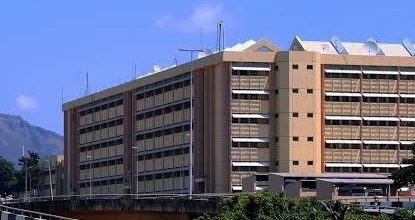
Federal secretariat, Abuja
Key Government Officials Copied in the Letter
To underscore the seriousness of its demands, the NPSNC copied several top government officials and institutions in its correspondence.
These include:
The Minister of Finance and Coordinating Minister for the Economy, Wale Edun
The Minister of Labour and Employment, Alhaji Mohamed Daginyadi
The Executive Chairman of the National Salaries, Income and Wages Commission, Ekpo Nta
The Accountant-General of the Federation
The Director-General of the State Security Service
The Nigeria Labour Congress
The Trade Union Congress of Nigeria
Growing Pressure on the Nigerian Government
The latest demand adds to increasing pressure on the federal government to address the worsening economic conditions affecting workers and ordinary Nigerians.
With inflation continuing to impact household incomes and living expenses rising sharply across the country, labour unions are expected to intensify calls for broader wage reforms and stronger worker protection policies.
The coming weeks may therefore prove crucial as negotiations between labour representatives and government agencies begin to shape the future of public sector wages in Nigeria.
corps members included in minimum wage Why it’s been disappointing to corps members who didn’t receive the 70,0000 of the new minimum wage in August 2024…
NDDC to pay stipends to 10,000 interns The Niger Delta Development Commission (NDDC) has announced plans to pay stipends to 10,000 interns starting in December. Each intern…
FG increases Corps Members Allowance to N77,000 The Federal Government has approved the increment of Corps Members’ monthly allowance to Seventy-Seven Thousand Naira (N77,000) with effect from…
NYSC ALLOWANCE INCREASE TO 77,000 The federal government has approved the increase of the nysc allowance,From 33,000 to 77,000 which payments are back dated to…