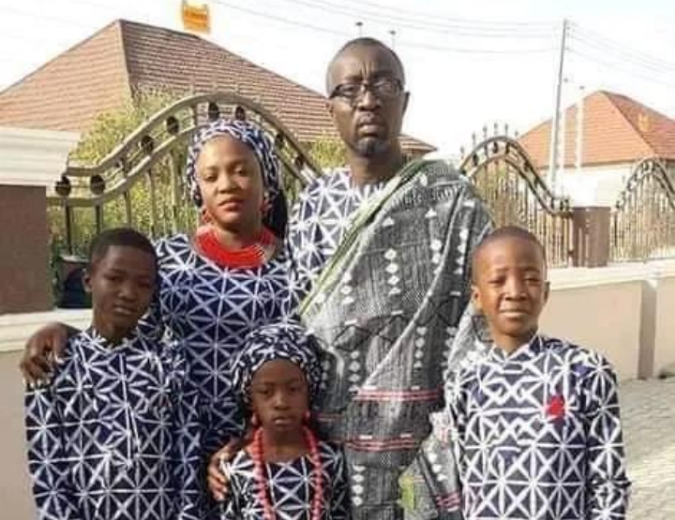
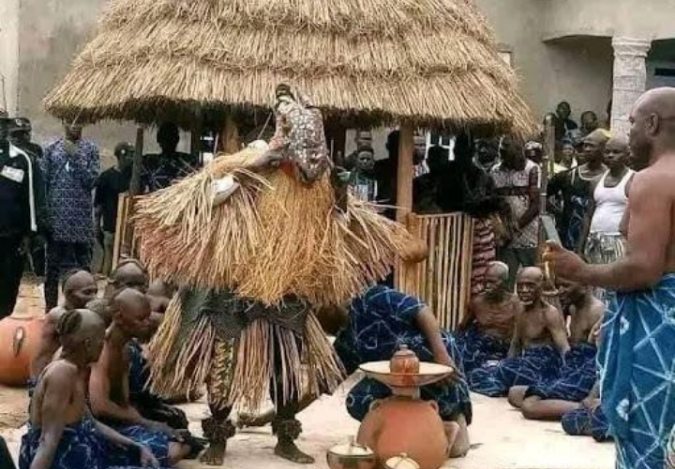
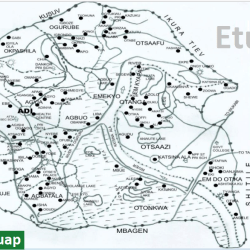
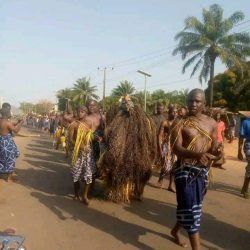
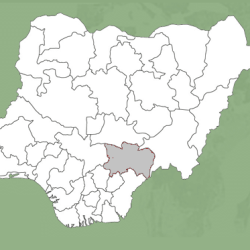
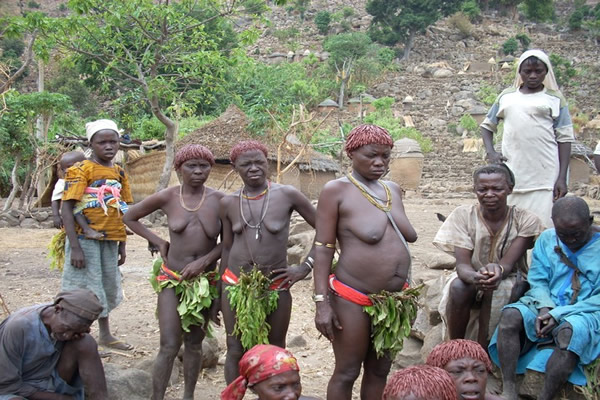
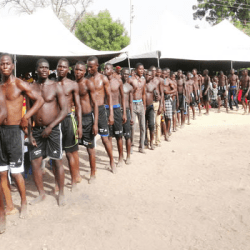
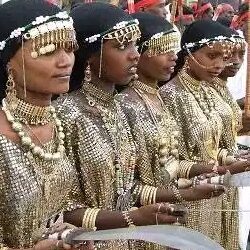
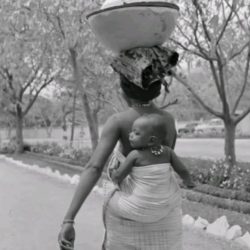
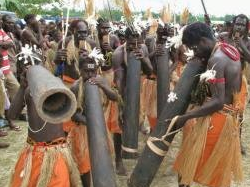
The Etulo people are a minority ethnic group in central Nigeria, primarily found in Benue State, especially around Buruku and Katsina-Ala areas. Smaller Etulo communities are also located in parts of Taraba State. Despite being one of the lesser-known ethnic nationalities in Nigeria, the Etulo possess a distinct language, history, and cultural identity that have survived for centuries within the wider Middle Belt region.
Origin and Historical Background
The Etulo trace their ancestry to migration traditions connected to the ancient Kwararafa Confederacy, a powerful pre-colonial alliance that once influenced parts of present-day central and northeastern Nigeria. Oral history among the Etulo suggests that their ancestors migrated over time before settling in the Benue Valley region.
Historically, the Etulo maintained close interaction with neighboring ethnic groups such as the Tiv, Jukun, and Idoma peoples. These interactions influenced trade, intermarriage, and cultural exchange, while the Etulo still preserved their own ethnic identity.
The people traditionally settled near riverine environments and fertile lands, which supported fishing and farming as the foundation of their economy.
Language
The Etulo language belongs to the Idomoid branch of the Niger-Congo language family. Linguists classify it as related to languages spoken by some neighboring Middle Belt groups, although it remains distinct.
Today, many Etulo people are multilingual. Besides speaking Etulo, many also speak:
Tiv
Hausa
English
Idoma
Language preservation has become increasingly important because younger generations often grow up using dominant regional languages more frequently than Etulo.
Geographic Location
The largest concentration of Etulo communities is found in:
Buruku Local Government Area
Katsina-Ala axis
Riverine settlements connected to the Benue River system
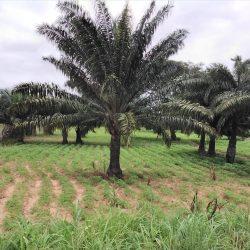
Their environment includes fertile agricultural land, streams, fishing waters, and tropical vegetation common to the Middle Belt ecological zone.
Traditional Occupation
The Etulo economy has traditionally depended on:
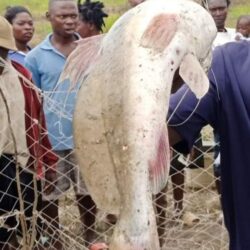
Fishing
Farming
Hunting
Small-scale trading
Fishing became especially important because many settlements developed close to rivers and lakes. Crops commonly cultivated include yam, cassava, maize, millet, and vegetables.
Women traditionally participate actively in farming, food processing, and local trade markets.
Traditional Leadership
Like many Nigerian ethnic groups, the Etulo maintain systems of traditional authority headed by chiefs and elders. Community leadership historically involved:
Conflict resolution
Land administration
Cultural preservation
Spiritual oversight
Traditional rulers continue to play important roles in community affairs even alongside modern political structures.
Religion and Beliefs
Before Christianity spread through the region during the colonial and missionary era, the Etulo practiced indigenous religious systems centered on:
Ancestor reverence
Spirits associated with nature
Sacred rituals
Community festivals
Today, Christianity is the dominant religion among the Etulo people, especially Catholic and Protestant denominations. However, some traditional customs and ceremonial practices remain culturally significant.
Music, Dance, and Festivals
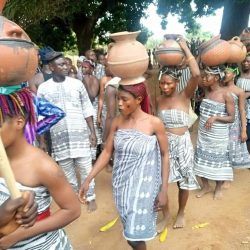
Music and dance are central to Etulo cultural expression. Traditional performances are used during:
Marriage ceremonies
Harvest celebrations
Chieftaincy events
Community festivals
Funeral rites
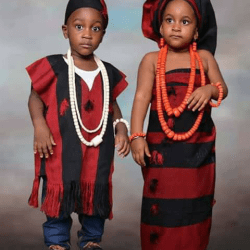
Instruments commonly include drums, rattles, horns, and locally made percussion instruments. Traditional dances often feature synchronized movement, chanting, and symbolic costumes.
Cultural Identity
The Etulo are considered one of the indigenous minority nationalities of Nigeria’s Middle Belt. Their identity reflects:
Strong kinship ties
Respect for elders
Oral storytelling traditions
Communal land relationships
Rich ceremonial culture
Despite modernization and urban migration, many Etulo communities continue efforts to preserve their language and heritage.
Contemporary Challenges
Like many smaller ethnic groups in Nigeria, the Etulo face challenges including:
Language endangerment
Economic underdevelopment
Youth migration to cities
Limited national visibility
Cultural assimilation pressures
There are ongoing cultural preservation efforts through festivals, community organizations, and documentation of the Etulo language and traditions.
Etulo People
Etulo in Modern Nigeria
Today, Etulo professionals, students, politicians, clergy, and businesspeople contribute to broader Nigerian society while maintaining ties to their ancestral communities. Cultural associations and traditional institutions continue to strengthen ethnic identity among younger generations.
The Etulo remain an important part of the cultural diversity that defines Nigeria’s Middle Belt region.
Etulo People’s Fishing and Pot Building Heritage Etulo people have ancestral roots across both Katsina-Ala and Buruku Local Government Areas. They occupied these lands for generations, building…
Adi: The Capital of Etulo People Adi is a vibrant and culturally rich town that serves as the capital of the Etulo people in Benue State,…
Some prominent Etulo persons Etulo people at an event Sir Moses S. Ugye, (Iwulu mgbi Etulo) The shelter of Etulo.Chief Emmanuel O. Atini (Otilese…
How Etulo started The origin of Etulo people is traced to a man called Ibagye. Etulo are said to be the children of…
Adi, Etulo Adi is the capital of Etulo people. A rice, fish and palm wine trading hub in Etulo council ward of…
Idoma People of Benue State, Nigeria The Idoma people are the second-largest ethnic group in Benue State, Nigeria. They primarily inhabit seven local government areas in…
PEOPLE OF OYO STATE, NIGERIA The people of Oyo State are Yoruba with a common ancestor, Oduduwa. Within Oyo State however, there are sub-ethnic groups…
People of Nigeria Nigerian people are citizens and people with ancestry from Nigeria. Nigeria is composed of multiple ethnic groups and cultures and…
Traditional Music of Tiv People The Tiv people of Benue State, Nigeria, have a rich musical heritage that reflects their culture, history, and daily life.…