NLC Backs Workers’ Demand for ₦500 Petrol and ₦500,000 Minimum Wage Amid Rising Hardship
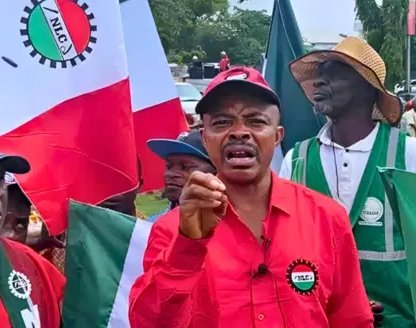
The Nigeria Labour Congress (NLC) has thrown its weight behind demands by public-sector workers for a reduction in petrol prices to ₦500 per litre and a new ₦500,000 national minimum wage, as workers and households contend with rising living costs across Nigeria.
The demands were made by the Trade Union Side of the Joint National Public Service Negotiating Council (JNPSNC), which called on the Federal Government to take urgent measures to ease the economic pressure on workers and their dependants.
In a letter addressed to President Bola Tinubu, the workers also requested the immediate establishment of a committee to negotiate a new national minimum wage ahead of January 2027. They gave the Federal Government until September 30, 2026, to respond to their demands.
Workers Demand ₦500 Petrol Price
At the centre of the workers’ demands is the cost of petrol, which they say has become a major contributor to the worsening cost-of-living crisis.
The JNPSNC called on the Federal Government to stabilise the pump price of Premium Motor Spirit (PMS), commonly known as petrol, at ₦500 per litre.
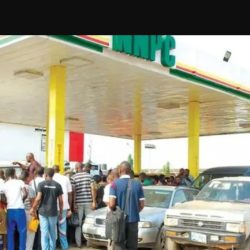
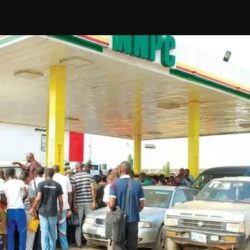
The demand comes as petrol prices have risen sharply in recent weeks. Petrol was selling at about ₦1,430 per litre or more in some locations, with prices varying according to accessibility and location.
The Nigeria Labour Congress had already raised concerns over the rising cost of petrol in a statement issued several days earlier. NLC President Joe Ajaero said the increase in fuel prices was putting additional pressure on workers’ wages and household incomes.
The union also linked higher petrol prices to increased transportation costs and warned that the effects could spread through the wider economy, affecting the prices of food, school fees, rent and other essential goods and services.
Why Labour Is Calling for a Lower Fuel Price
For organised labour, the petrol issue extends beyond the price paid at filling stations.
Nigeria’s transportation system remains heavily dependent on petrol and other petroleum products. Consequently, increases in fuel prices can affect the cost of commuting, commercial transport, logistics and the movement of agricultural and manufactured goods.
The NLC has argued that higher transportation costs ultimately place additional pressure on household budgets.
The labour movement has also called for greater use of Nigeria’s domestic refining capacity as part of a strategy to reduce exposure to international crude oil and petroleum-product price fluctuations.
Among the measures previously proposed by the NLC are the supply of sufficient crude oil in naira to domestic refineries and the expansion of national petroleum storage capacity.
The union argues that stronger domestic supply arrangements could provide a buffer when international oil prices rise.
NLC Describes the Workers’ Demands as Legitimate
The NLC has endorsed the demands made by the civil servants, describing the requests for a wage award and lower petrol prices as realistic and legitimate.
NLC Acting General Secretary Benson Upah said the labour centre supported the workers’ position and urged the government to address the issues without delay.
The latest position builds on the NLC’s earlier calls for immediate wage support for workers as petrol prices continued to rise.
In its earlier statement, the labour organisation called for wage awards as a temporary measure to cushion workers from the impact of rising energy and transportation costs.
Workers Seek ₦500,000 Minimum Wage
Beyond petrol prices, organised labour is also seeking a significant increase in workers’ earnings.
The JNPSNC called for a new national minimum wage of ₦500,000 per month, with the new arrangement expected to take effect from January 2027.
The council proposed that workers at Grade Level 01, Step 1 should receive no less than ₦500,000 under the proposed salary structure. It also called for broader adjustments to salaries and allowances across the public service.
The demand is being presented against the backdrop of continuing pressure on workers’ purchasing power.
The labour unions argue that nominal increases in wages can lose their practical value when essential expenses such as transportation, food, housing and energy rise significantly.
Immediate Wage Award Also Demanded
The proposed ₦500,000 minimum wage is not the only wage-related measure being requested.
The JNPSNC also wants the Federal Government to introduce an immediate Wage Award covering workers at the federal, state and local government levels.
The council views the wage award as an immediate intervention while negotiations for a new national minimum wage take place.
According to the workers, the arrangement should cover salaries and allowances across the public service and serve as a temporary response to the current economic pressures.
The council further called for the National Salaries, Incomes and Wages Commission (NSIWC) to begin discussions with the NLC, Trade Union Congress (TUC), JNPSNC and other relevant stakeholders.
New Minimum Wage Negotiations Could Begin Before 2027
Another major aspect of the workers’ demands is the early commencement of negotiations for the next national minimum wage.
The JNPSNC wants the committee responsible for negotiations to be constituted immediately rather than waiting until the existing arrangements approach their expiration.
The council said early negotiations would help ensure that a new minimum wage can take effect from January 2027 without unnecessary delays.
The proposed timetable means that wage negotiations could become a major economic issue in the months ahead, particularly as workers seek an adjustment that reflects prevailing living costs.
Rising Petrol Prices Have Renewed the Cost-of-Living Debate
The labour demands come amid another sharp increase in Nigeria’s petrol prices.
Reuters reported on September 21 that petrol prices had reached roughly ₦1,400 per litre in Lagos and Abuja, while some filling stations in northern Nigeria were selling at prices approaching ₦1,500 per litre. The report attributed the latest increases partly to higher international oil prices linked to tensions in the Middle East.
The report also said the Dangote refinery had increased its wholesale loading-bay price to about ₦1,350 per litre, reflecting higher crude costs.
The development illustrates the difficulty of shielding domestic petrol prices entirely from international oil-market movements, even with substantial domestic refining capacity.
Reuters also reported that Nigeria’s inflation rate eased slightly to 15.39 per cent in August, from 15.43 per cent in July, while food inflation remained substantially higher at 19.57 per cent.
For workers, however, the issue is not simply the headline inflation rate. The practical concern is how much income remains after paying for transportation, food, housing, education and energy.
NLC Wants Domestic Refineries to Receive Nigerian Crude
The NLC has also renewed its call for stronger domestic crude supply arrangements.
The labour organisation previously urged the Federal Government to sell sufficient crude oil in naira to local refineries.
It argued that ensuring domestic refineries have access to crude could help Nigeria reduce its vulnerability to international petroleum-product price movements.
The union also called for expanded national storage capacity to strengthen the country’s ability to respond to energy emergencies and sudden disruptions in supply.
The issue has become particularly important as Nigeria seeks to increase domestic refining while remaining exposed to movements in global crude prices.
The Government Faces Competing Economic Considerations
The workers’ demands present the Federal Government with several interconnected policy questions.
Reducing petrol prices would provide direct relief to motorists and transport users, but maintaining a lower pump price would require a sustainable mechanism for financing the difference between the desired consumer price and the underlying cost of supply.
Similarly, increasing the minimum wage to ₦500,000 would raise workers’ nominal earnings, but it would also have implications for government wage bills, state and local government finances, private-sector wage structures and broader fiscal planning.
The implementation of any new wage structure would therefore involve negotiations among government, organised labour and other stakeholders.
At the same time, the relationship between wages and prices remains important. If higher wages are accompanied by further increases in the prices of goods and services, some of the purchasing-power gains could be eroded.
Workers Set September 30 Deadline
The JNPSNC has given the Federal Government until Wednesday, September 30, 2026, to respond to the demands.
The deadline covers calls for action on petrol prices, wage awards, salaries and the commencement of negotiations for a new minimum wage.
The council warned that continued economic hardship was creating increasing tension among workers and Nigerians.
The September 30 deadline therefore places the issue firmly on the government’s immediate economic policy agenda.
What the ₦500,000 Minimum Wage Proposal Means
The proposed ₦500,000 figure represents a substantial increase in nominal earnings for workers covered by the national minimum wage framework.
However, the practical value of any wage depends on purchasing power rather than the nominal figure alone.
For example, workers assess their income against the cost of transportation, food, electricity, housing, healthcare, education and other necessities. If those costs rise faster than wages, the real value of the wage increase declines.
This is one reason the labour unions are presenting their wage demand alongside the request for lower petrol prices.
From the workers’ perspective, the two issues are closely connected: transportation and energy costs directly affect household expenditure, while wages determine the income available to meet those expenses.
Petrol and Wages Have Become Closely Linked
The latest labour position demonstrates how fuel prices and wages have become interconnected in Nigeria’s cost-of-living debate.
A higher petrol price can increase transportation expenses for workers travelling to and from their workplaces. It can also increase logistics costs for businesses and the transportation costs embedded in the prices of goods.
Higher costs can consequently create additional pressure for wage adjustments.
Conversely, a major wage increase can raise employers’ labour costs, particularly in sectors with large numbers of low-income workers. The eventual economic effect therefore depends on how wage adjustments interact with productivity, prices, government finances and the broader economic environment.
The Road Ahead
The immediate focus is now on how the Federal Government responds to the workers’ September 30 deadline.
The demands include:
A reduction of petrol prices to ₦500 per litre.
An immediate Wage Award for workers.
A new national minimum wage of ₦500,000.
Immediate constitution of a committee to negotiate the next national minimum wage.
Upward review of salaries and allowances across the public service.
Engagement between government, labour and other relevant stakeholders.
Greater availability of crude oil for domestic refineries.
Measures to strengthen national petroleum storage and energy security.
The government’s response will determine whether negotiations begin immediately, whether interim wage support is introduced and how the issue of petrol pricing is addressed.
For Nigerian workers, the broader issue remains purchasing power: whether earnings can keep pace with the cost of basic necessities.
NLC President Joe Ajaero
As petrol prices remain elevated and negotiations over the next minimum wage approach, the relationship between wages, fuel costs, inflation and household living standards is likely to remain a central issue in Nigeria’s economic debate through the end of 2026 and into 2027.
FINALLY DANGOTE REVIEWS COST OF IT PETROL Dangote Refinery recently began operations with a capacity to process 650,000 barrels of crude oil daily, which has led to…
corps members included in minimum wage Why it’s been disappointing to corps members who didn’t receive the 70,0000 of the new minimum wage in August 2024…
BOBRISKY JETS OUT OF NIGERIA AMID LEGAL TROUBLE Nigerian social media personality and influencer, Bobrisky (Okuneye Idris Olanrewaju), recently traveled out of Nigeria amid legal issues. Reports indicate…
WACS (Workers Aggregated Credit Scheme) WACS (Workers Aggregated Credit Scheme) is a service from IPPIS (Integrated Payroll and Personnel Information System) that manages loan deductions…