General Antonio Elizalde — General Antonio Elizalde
Guayaquil — Guayaquil
Isidro Ayora — Isidro Ayora
Lomas de Sargentillo — Lomas de Sargentillo
Milagro — Milagro
Naranjal — Naranjal
Naranjito — Naranjito
Nobol — Nobol (also known as Narcisa de Jesús)
Palestina — Palestina
Pedro Carbo — Pedro Carbo
Playas (General Villamil Playas) — Playas (also known as General Villamil Playas)
Salitre — El Salitre
Samborondón — Samborondón
Santa Lucía — Santa Lucía
Simón Bolívar — Simón Bolívar
Yaguachi — Yaguachi (San Jacinto de Yaguachi)
Imbabura Province
Antonio Ante — Atuntaqui
Cotacachi — Cotacachi
Ibarra — Ibarra
Otavalo — Otavalo
Pimampiro — Pimampiro
San Miguel de Urcuquí — Urcuquí
Loja Province
Calvas — Cariamanga
Catamayo — Catamayo
Celica — Celica
Chaguarpamba — Chaguarpamba
Espíndola — Amaluza (Espíndola)
Gonzanamá — Gonzanamá
Loja — Loja
Macará — Macará
Olmedo — Olmedo
Paltas — Catacocha
Pindal — Pindal
Puyango — Alamor
Quilanga — Quilanga
Saraguro — Saraguro
Sozoranga — Sozoranga
Zapotillo — Zapotillo
Los Ríos Province
Baba — Baba
Babahoyo — Babahoyo
Buena Fe — San Jacinto de Buena Fe
Mocache — Mocache
Montalvo — Montalvo
Palenque — Palenque
Pueblo Viejo — Puebloviejo
Quevedo — Quevedo
Quinsaloma — Quinsaloma
Urdaneta — Catarama
Valencia — Valencia
Ventanas — Ventanas
Vinces — Vinces
Manabí Province
Bolívar — Calceta
Chone — Chone
El Carmen — El Carmen
Flavio Alfaro — Flavio Alfaro
Jama — Jama
Jaramijó — Jaramijó
Jipijapa — Jipijapa
Junín — Junín
Manta — Manta
Montecristi — Montecristi
Olmedo — Olmedo
Paján — Paján
Pedernales — Pedernales
Pichincha — Pichincha
Portoviejo — Portoviejo
Puerto López — Puerto López
Rocafuerte — Rocafuerte
San Vicente — San Vicente
Santa Ana — Santa Ana
Sucre — Bahía de Caráquez
Tosagua — Tosagua
Veinticuatro de Mayo — Sucre
Morona Santiago Province
Gualaquiza — Gualaquiza
Huamboya — Huamboya
Limón Indanza — General Leonidas Plaza Gutiérrez
Logroño — Logroño
Morona — Macas
Pablo Sexto — Pablo Sexto
Palora — Palora
San Juan Bosco — San Juan Bosco
Santiago de Méndez — Santiago de Méndez
Sevilla Don Bosco — Sevilla Don Bosco
Sucúa — Sucúa
Taisha — Taisha
Tiwintza — Santiago
Napo Province
Archidona — Archidona
Carlos Julio Arosemena Tola — Carlos Julio Arosemena Tola
El Chaco — El Chaco
Quijos — Baeza
Tena — Tena
Orellana Province
Aguarico — Nueva Rocafuerte
Francisco de Orellana — Puerto Francisco de Orellana (also known as Coca)
Joya de los Sachas — La Joya de los Sachas
Loreto — Loreto
Pastaza Province
Arajuno — Arajuno
Mera — Mera
Pastaza — Puyo
Santa Clara — Santa Clara
Pichincha Province
Cayambe — Cayambe
Mejía — Machachi
Pedro Moncayo — Tabacundo
Pedro Vicente Maldonado — Pedro Vicente Maldonado
Puerto Quito — Puerto Quito
Quito — Quito
Rumiñahui — Sangolquí
San Miguel de Los Bancos — San Miguel de los Bancos
Santa Elena Province
La Libertad — La Libertad
Salinas — Salinas
Santa Elena — Santa Elena
Santo Domingo de los Tsáchilas Province
La Concordia — La Concordia
Santo Domingo de los Colorados — Santo Domingo de los Colorados
Sucumbíos Province
Cascales — El Dorado de Cascales
Cuyabeno — Tarapoa
Gonzalo Pizarro — Lumbaqui
Lago Agrio — Nueva Loja (Lago Agrio)
Putumayo — Puerto Carmen
Shushufindi — Shushufindi
Sucumbíos — La Bonita
Tungurahua Province
Ambato — Ambato
Baños — Baños de Agua Santa
Cevallos — Cevallos
Mocha — Mocha
Patate — Patate
Pelileo — Pelileo (San Pedro de Pelileo)
Píllaro — Píllaro (Santiago de Píllaro)
Quero — Quero
Tisaleo — Tisaleo
Zamora-Chinchipe Province
Centinela del Cóndor — Zumbi
Chinchipe — Zumba
El Pangui — El Pangui
Nangaritza — Guayzimi (Nangaritza)
Palanda — Palanda
Paquisha — Paquisha
Yacuambi — Yacuambi
Yantzaza — Yantzaza
Zamora — Zamora
The Capital Towns of Ecuador’s 222 Cantons
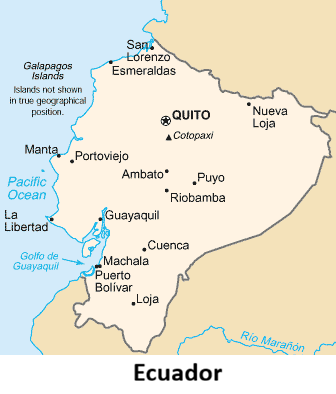
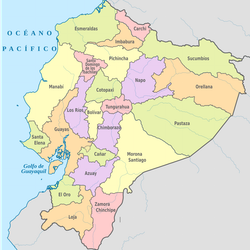
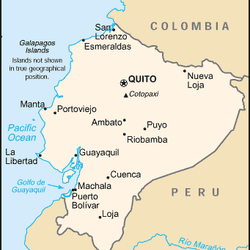
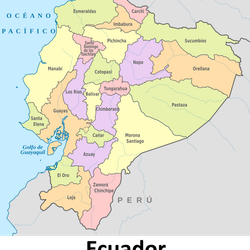
Ecuador is divided into 24 provinces, and each province is subdivided into cantons. As of 2025 there are 222 of them. Every canton has a seat, a capital town where its local government is based. In most cases the town shares the canton’s name. In many others it does not, and the difference between the two tells a good deal about the country’s history, geography and local identity.
How cantons are governed
Cantons are the second-level subdivisions of Ecuador, below the provinces. They are further divided into parishes, which are classified as either urban or rural. In each canton there is a jefe político, who is chosen by the president and represents the president’s interests. There is also a mayor (alcalde) and a municipal council (concejo municipal), both chosen by popular vote. The canton’s seat is where these institutions are located.
When the capital shares the canton’s name
The majority of cantons have a seat with the same name. Cuenca is both a canton and the capital of Azuay Province. The same is true of Guayaquil, Quito, Machala, Ambato, Loja, Riobamba and Latacunga. Entire provinces follow this pattern: in Azuay, Bolívar, Cañar, Santa Elena and Napo, nearly every canton is headquartered in a town bearing its own name.
Cantons with a different capital
A sizeable number of cantons have a capital town with a different name, and the reasons vary.
Named for a district rather than a town. Several cantons take the name of a historical figure or a region, while the seat bears a local place name. In Carchi Province, Espejo is governed from El Ángel and Montúfar from San Gabriel. In Pichincha Province, Mejía has its seat in Machachi, Pedro Moncayo in Tabacundo and Rumiñahui in Sangolquí. In Loja Province, Calvas is administered from Cariamanga, Paltas from Catacocha, Puyango from Alamor and Espíndola from Amaluza.
Cantons named after rivers and regions. In the Amazon, cantons often carry the name of a river or area. Pastaza canton is governed from Puyo, Morona from Macas, and Quijos from Baeza. In Sucumbíos Province, Cuyabeno is run from Tarapoa, Putumayo from Puerto Carmen and Gonzalo Pizarro from Lumbaqui.
Coastal towns with their own names. In Manabí Province, the canton of Sucre has its seat in Bahía de Caráquez, and Bolívar canton in Calceta. In Esmeraldas Province, Eloy Alfaro is governed from Valdez. In Los Ríos Province, Urdaneta has its seat in Catarama.
The Galápagos. Each of the three cantons of the Galápagos Province is named after an island but governed from a port town. Isabela’s capital is Puerto Villamil, San Cristóbal’s is Puerto Baquerizo Moreno and Santa Cruz’s is Puerto Ayora.
Towns with more than one name
Some capitals are known by more than one name. In Sucumbíos Province, the seat of Lago Agrio canton is Nueva Loja, popularly called Lago Agrio. Francisco de Orellana canton is governed from Puerto Francisco de Orellana, widely known as Coca. In Esmeraldas Province, Quinindé canton’s seat is Rosa Zárate, also known simply as Quinindé. In Chimborazo Province, Colta canton is governed from Cajabamba, also called Villa la Unión. In Guayas Province, Yaguachi’s seat is formally San Jacinto de Yaguachi, Nobol is also known as Narcisa de Jesús, and Alfredo Baquerizo Moreno is commonly called Jujan. In Tungurahua Province, Pelileo’s capital carries the formal name San Pedro de Pelileo and Píllaro’s is Santiago de Píllaro.
Shared names, different places
Place names repeat across Ecuador, which can cause confusion. Two cantons are named Bolívar: one in Carchi Province, governed from the town of Bolívar, and one in Manabí Province, governed from Calceta. Two are named Olmedo, in Loja and Manabí Provinces, and each is governed from a town called Olmedo. A town called San Miguel is the capital of the canton of San Miguel in Bolívar Province, and also the seat of Salcedo canton in Cotopaxi Province. There is also a canton called Sucre in Manabí Province, with its seat in Bahía de Caráquez, while the nearby canton of Veinticuatro de Mayo has a town called Sucre as its capital.
The newest capital
The most recently created canton is Sevilla Don Bosco, established in Morona Santiago Province in 2024 as Ecuador’s 222nd canton. Its seat is the town of Sevilla Don Bosco. Another recent addition, La Concordia, was created in 2007 in Esmeraldas Province and transferred to Santo Domingo de los Tsáchilas Province in 2013. Its seat is the town of La Concordia.
Provinces with the most and fewest capitals
Guayas Province has the most cantons, with 25 capital towns, including Guayaquil, Durán, Daule, Milagro and Samborondón. Manabí follows with 22 and Azuay with 15 cantons. Loja Province has 16. At the other end of the scale, Santo Domingo de los Tsáchilas has just two cantons, and Santa Elena and the Galápagos have three each.
The capital towns of Ecuador’s cantons make up a varied map. Some are major cities of millions, and others are small towns that give their name to just a few thousand residents. Some are known by several names, some are named for rivers, historical figures and islands, and a few share names with unrelated towns elsewhere in the country. Together, the seats of the 222 cantons form the basic structure of local government across Ecuador.
More
Cantons of Ecuador by Land Area (km²) Provinces are ordered from largest to smallest total area, and cantons within each province are ranked from largest to smallest.…
Cantons of Ecuador by Population Provinces are ordered from most to least populated, and cantons within each province are ranked from most to least populated.…
World Heritage Sites in Ecuador UNESCO World Heritage Sites in Ecuador are: City of Quito Galápagos Islands Sangay National Park Historic Centre of Santa Ana…
List of Indonesia’s 38 Provinces and Capital Cities Indonesia is the world’s largest archipelago nation, spanning thousands of islands between Southeast Asia and Oceania. Administratively, the country is…
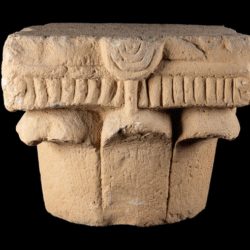
Menorah Capital Discovered in Jerusalem Astonishing One-of-a-Kind Stone Capital with Menorah, Lasting 1,500 Years Old, Unearthed in Jerusalem One-of-a-kind stone capital with menorah – Unearthed…
Gboko: The Capital of Tiv Nation Gboko, a vibrant and fast-growing town in Benue State, North-central Nigeria, holds a prominent position as the traditional capital of…
Adi: The Capital of Etulo People Adi is a vibrant and culturally rich town that serves as the capital of the Etulo people in Benue State,…
Nineveh: The Ancient Capital of Assyria Nineveh stands out in history as one of the oldest and most populous cities of ancient Assyria, located strategically on…
Burundi provinces and capital List of Burundi provinces and capital ProvinceCapitalCankuzoCankuzoGitegaGitegaRutanaRutanaRuyigiRuyigiKaruziKaruziKayanzaKayanzaKirundoKirundoMuyingaMuyingaNgoziNgoziBururiBururiMakambaMakambaRumongeRumongeBubanzaBubanzaBujumbura MairieBujumburaBujumbura RuralIsaleCibitokeCibitokeMuramvyaMuramvyaMwaroMwaro Burundi Burundi is a country in East Africa. It is bounded…
Gitega: Burundi capital The capital of Burundi is Gitega. Bujumbura was previously the capital until 16 January 2019. While Gitega is the political…
Burundi capital The capital of Burundi is Gitega. Bujumbura was previously the capital until 16 January 2019. While Gitega is the political…
Burkina Faso capital Burkina Faso’s capital is Ouagadougou [Wagadugu]. The city is also the economic centre of the country. Ouagadougou has one of…