Amanchor Cave, Ebonyi State, Nigeria: A Spiritual and Cultural Treasure
Fascinating secrets of Amanchor Cave, Ebonyi State, Nigeria — a mystical, historical, and cultural gem filled with tunnels, bats, legends, and spiritual traditions.
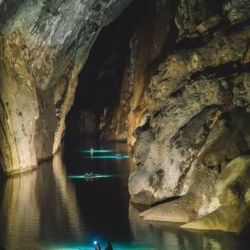
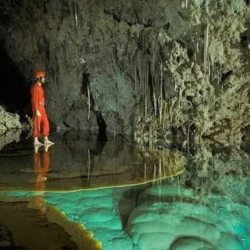
Amanchor Cave is a captivating natural formation located in the Etiti community of Edda, within Afikpo South Local Government Area, Ebonyi State, Nigeria. Nestled in the southeastern part of the country, this geological wonder is both a spiritual sanctuary and a cultural symbol for the Edda people. The cave is approximately 4 kilometers (or 2.5 miles) in length, making it one of the longest natural caves in the region.
Length and Physical Structure
Its vast expanse contains multiple entry points, including dramatic natural tunnels that wind through the earth. The internal structure of the cave reveals natural artistry shaped by centuries of erosion, rainwater, and biological activity. Within its labyrinthine chambers lie stories, rituals, and mysteries passed down through generations.
Historical Background of Amanchor Cave
Discovery by Ofia Ugo
The origins of the cave’s known history trace back to a hunter named Ofia Ugo (or Uko), who is said to have discovered the cave during a hunting expedition. Entranced by the site, he gave it the name Ogba Amanchor, which pays homage to the nearby village.
Etymology and Meaning of “Ogba Amanchor”
In the Igbo language, “Ogba” means cave, and “Amanchor” refers to the host village. Thus, “Ogba Amanchor” directly translates to “The Cave of Amanchor,” a name that has remained integral to its identity.
The Tunnel System of Amanchor Cave
The First Tunnel
The first tunnel serves as the primary entrance, leading explorers and pilgrims into the inner sanctums of the cave. It’s a modest opening that slowly transitions into a more expansive underground world.
The “Window” – Tunnel Two
The second tunnel is famously called the “window.” This entry allows visitors to glimpse the cave floor from above, offering a breathtaking aerial perspective of the internal layout. It’s known for providing an almost mystical viewpoint.
The “Door” – Tunnel Three
The third access point, known locally as the “door,” is symbolic and functional. It is traditionally used during the annual Orie-Ogba festival and is believed to be the portal through which spiritual energies flow most freely.
Cultural Significance and Traditions
The Orie-Ogba Festival
Every December, on the last Orie (one of the four Igbo market days), locals and pilgrims gather for the Orie-Ogba festival. This event celebrates both the spiritual significance and the communal heritage of the cave, with rituals, dances, and traditional offerings.
The Role of the Village Head in Cave Entry
Cultural protocols govern access to the cave. Visitors seeking spiritual blessings must be guided by the village head, who performs rites of permission before any wishes are made. This reinforces the sacred nature of the site.
Spiritual Beliefs and Practices
Many locals believe the cave holds the power of healing and good fortune. When entered with pure intentions, and under the proper ritual, the cave is said to grant wishes or cleanse ailments—both physical and spiritual.
The Secret Cult of Egbela and Rite of Passage
Overview of Egbela Cult
Among the most intriguing traditions of the Amanchor community is the Egbela, a secret society that serves as a rite of passage for boys transitioning into adulthood. Entry into this cult is marked by rituals held near or inside the cave.
Impact on Social and Religious Life in Edda
The cult has historically played a significant role in shaping the social fabric of the Edda people. It informs moral conduct, political allegiance, and religious doctrine, creating a robust framework of communal responsibility.
Moral Principles and Expectations
Only those who uphold strict standards of moral purity can remain part of Egbela. Members are expected to live righteously, speak truthfully, and honor the spirits of the land—a lifestyle deeply aligned with the sanctity of Amanchor Cave.
Ecological Richness of Amanchor Cave
Bat Species and Behavior
The cave is home to various bat species, including fruit-eaters and insectivores. These creatures exit en masse during twilight and return before dawn, creating a fascinating natural spectacle that intrigues tourists and locals alike.
Role of Bats in Local Mythology
There’s a widespread belief that these bats serve as spiritual protectors. They are thought to detect and ward off individuals with malicious intent, even resorting to bites to repel unwelcome intruders.
More
NKST Church: A Spiritual Pillar The NKST Church (Nongo u Kristu u i Ser u sha Tar), also known as the Universal Reformed Christian Church…
Cave of Ashes, Isarun Isharun – Ile Owuro twenty-four kilometers of Akure, the state capital and lying between Igbara-Oke and Ilara-Mokin in Ifedore Local…
Virgin Pool of Lechuguilla Cave Hidden 700 feet below the surface in Carlsbad Caverns National Park, New Mexico, an untouched wonder has been unveiled: a…
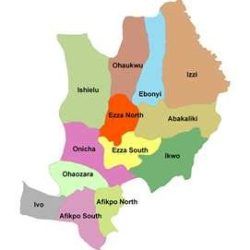
LOCAL GOVERNMENT AREAS IN EBONYI STATE AND THEIR HEADQUAURTERS LGAsHEADQUARTERSAbakalikiNkalikiAfikpo NorthAfikpoAfikpo SouthNguzu EddaEbonyiUgbodoEzza NorthEbiajiEzza SouthOnuekeIkwoOnuebonyi EcharaIshieluEzzilloIvoIsiakaIzziIbokoOhaozaraObiozaraOhaukwuEzzamgboOnichaIsu Ebonyi Ebonyi is a state in southeastern Nigeria, created in 1996 from parts…
EBONYI STATE LIST OF DEVELOPMENT CENTRES AND HEADQUARTERS The Development Centres in Ebonyi State and their headquarters are: DEV CENTREHEADQUARTERSAbakalikiAmaguAfikpo NorthAfikpoAfikpo North EastAmaozara- OzzizzaAfikpo SouthEkoli EddaAkaezeUgwuagbaAmachiUwarem-AmachiAmaohaAkpojoAmasiriAzuhuAnuagataObodo OmaEbonyiOdumokeEbyiaObvudu EchiEchiabaOgbagaEchieleUkpasiagaEdda…
List of Local Government Areas in Ebonyi State and their headquarters Ebonyi State Local Government Areas and their headquarters, administrative capitals LGAHeadquartersAbakalikiAbakalikiAfikpo NorthAfikpoAfikpo SouthNguzu-EddaEbonyiUgbodoEzza NorthEbijiEzza SouthOnuekeIkwoEchara-AnuaboyiIshieluEzilloIvoIsiakaIzziIbokoOhaukwuEzzamgboOnichaIsuOhaozaraObiozara Map of Ebonyi showing Local…
CULTURAL DRESSES IN DELTA STATE CULTURAL, TRADITIONAL DRESSES AMONG THE PEOPLE OF DELTA STATE The Urhobos, Isokos, Itsekiris and Izons wear identical dresses. For formal…