Cairo: A City of Civilizations, Dynasties and Artistry, Nile River as Lifeblood, Birth of Islamic Cairo, A Megacity in Motion
Cairo, the capital of Egypt and the largest city in the Arab world, is a sprawling metropolis steeped in history and cultural splendor. With a lineage that extends over a millennium, Cairo is a living museum of civilizations, where each stone echoes tales of conquest, culture, and continuity. The city’s official founding dates back to 6 July 969 AD, corresponding to the 17th of Shaaban, 358 AH, when the Fatimid Caliph Al-Mu’izz li-Din Allah dispatched his commander, Gawhar al-Siqilli (Gawhar the Sicilian), to establish a new capital. This city, known as Al-Qahira—“The Victorious”—would go on to become a beacon of Islamic culture and political power in the region.
The Birth of Islamic Cairo
With its founding, Cairo was more than just a capital—it was a vision of grandeur and spirituality. At its heart stood Al-Azhar Mosque, built concurrently with the city. Over the centuries, Al-Azhar evolved into one of the world’s oldest and most prestigious centers of Islamic learning. It continues to symbolize Cairo’s profound influence on religious thought and scholarly tradition across the Muslim world.
But Cairo’s origins did not emerge in isolation. The city arose as the northern extension of three earlier Islamic capitals:
Al-Fustat – Founded in 640 AD (20 AH) by Amr Ibn al-As following the Arab conquest of Egypt, Al-Fustat was the first Islamic city on the African continent.
Al-Askar – Built during the Abbasid period, it succeeded Al-Fustat as the administrative hub.
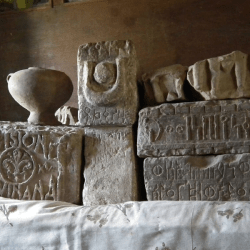
Al-Qata’i – Established in 870 AD by Ahmad Ibn Tulun, this city introduced a new architectural flair, exemplified by the famed Mosque of Ibn Tulun.
These three cities eventually merged, paving the way for the creation of Fatimid Cairo—an enduring symbol of Islamic architectural brilliance and urban planning.
A City of Dynasties and Artistry
From the Ayyubid and Mamluk sultanates to the Ottoman Empire and the Muhammad Ali Dynasty, Cairo was a prized jewel in the crowns of successive Islamic regimes. Each left behind a legacy of architectural masterpieces, intricate mosques, schools (madrasas), fountains, and palaces. Today, over 600 Islamic monuments stand testament to these centuries of artistic and civic development.
But Cairo is not solely an Islamic city. It bears imprints from Pharaonic, Greek, Roman, and Coptic Christian eras, showcasing a unique cultural layering that few cities can rival. From the Pyramids of Giza to the Coptic Museum, Cairo is a palimpsest of civilizations.
The Lifeblood: The Nile River
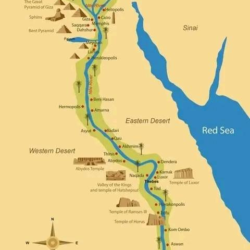
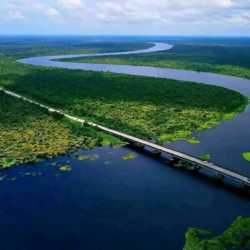
Flowing serenely through Cairo’s heart is the Nile, the second longest river in the world and Egypt’s most vital natural resource. Originating in East Africa and meandering through Sudan before splitting at Rosetta and Damietta into two branches as it empties into the Mediterranean Sea, the Nile is the city’s lifeline.
On its banks lie luxurious hotels, exclusive social clubs, moored floating restaurants, and a vibrant array of rivercraft that contribute to Cairo’s pulsating rhythm. The river offers both aesthetic allure and practical function, serving as a hub for leisure, sport, and commerce. The Nile infuses the city with a rhythm that both soothes and excites—an experience most visitors find uniquely enchanting.
Modern Cairo: A Megacity in Motion
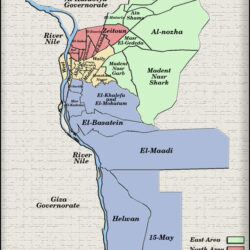
Today, Cairo stretches for 41.5 kilometers along the Nile, from al-Sahel in the north to Helwan and Tebbin in the south. Home to approximately 8 million residents, and welcoming a daily influx of over 2 million commuters, Cairo is one of the most densely populated urban centers in the world. The metropolitan area covers 3,435.3 square kilometers, which constitutes a mere 0.3% of Egypt’s total landmass—yet it hosts a disproportionate share of the nation’s political, cultural, and economic activity.
Despite its modern challenges—urban congestion, pollution, and socioeconomic disparity—Cairo retains a singular charm. It is a city where ancient minarets coexist with modern skyscrapers, where bustling souks echo with the calls of muezzins and the honking of taxis, and where each neighborhood reveals another layer of its complex identity.
The Magic of Cairo
Cairo is more than just Egypt’s capital—it is its soul. A repository of ancient knowledge, a cradle of Islamic enlightenment, and a vibrant modern metropolis, Cairo continues to captivate all who encounter it. Whether you’re wandering through the historic alleys of Islamic Cairo, sailing down the Nile at sunset, or exploring the hidden treasures of its countless museums and mosques, Cairo offers a narrative as rich and multilayered as time itself.
Indeed, the city’s “magic,” as many visitors describe it, lies in its ability to connect the present with the past, the sacred with the secular, and the majestic with the mundane. Cairo is not just a city—it is a civilization.
More
Nile: The world’s longest river The Nile River, renowned as the longest river in the world, spans an impressive 6,853 kilometers (4,258 miles), traversing northeastern…
Nigerian Army Islamic Affairs The Directorate of Islamic Affairs (DOIA) is perhaps the oldest religious component of the Nigerian Army (NA). It is tasked…
Nile Crocodile: The Terrifying Giant The Nile Crocodile (Crocodylus niloticus) is one of the most formidable reptiles on Earth. Known for its powerful build and…
Feluccas: A Voyage Through the Nile Feluccas are more than just boats—they’re a living legacy of Egypt’s ancient history. For centuries, these graceful, wind-powered vessels have…
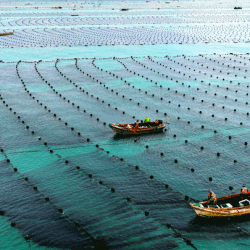
China’s Rongcheng City and kelp production The bustling activity in Rongcheng City, Shandong Province, showcases the vibrant kelp farming industry, a cornerstone of the local economy…
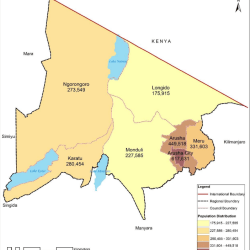
Largest areas by population in Arusha City Council, Tanzania 10 most populated areas in Arusha City Council, Tanzania are: Sokon IMurietSinoniOlasitiOsu i JrKimandoluSombetiniMoshonoLemaraOloirien Map of Arusha showing population distribution…
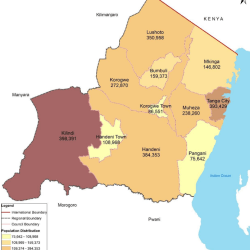
Largest areas by population in Tanga City Council, Tanzania 10 most populated areas in Tanga City Council, Tanzania are: MaweniTangasisiMasiwaniMabawaDugaPongweMnyanjaniMagaoniMakororaMzizima Population distribution in Tanga region Map of Tanzania showing…