Your body already has powerful detox systems. The best way to support them isn’t through extreme diets, but through everyday habits backed by science.
After periods of indulgence, many people consider detox or cleanse diets. However, scientific evidence shows that juice fasts and restrictive “detox” plans do not meaningfully remove toxins or promote lasting weight loss. In fact, the concept of “toxins” is often used vaguely in detox marketing.
The good news? Your body is already very good at detoxifying itself—mainly through the liver, kidneys, lungs, digestive system, and brain. Here’s how to support those natural processes effectively.
Eat More Fibre
Most people eat far less fibre than recommended. Fibre plays a major role in helping the body eliminate waste and harmful substances.
How fibre helps detoxification:
Increases stool size and softness, helping waste pass faster
Reduces how long harmful substances stay in the gut
Binds to toxins and heavy metals such as lead and arsenic
Helps remove excess bile acids, lowering cholesterol
Supports healthy gut bacteria, which protect the liver and kidneys
Emerging research also suggests fibre may help reduce levels of “forever chemicals” (PFAS) in the body, although this area is still being studied.
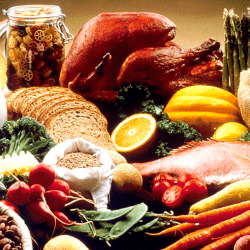
High-fibre foods include:
Legumes (beans, lentils, chickpeas)
Whole grains (oats, wholewheat bread, brown rice)
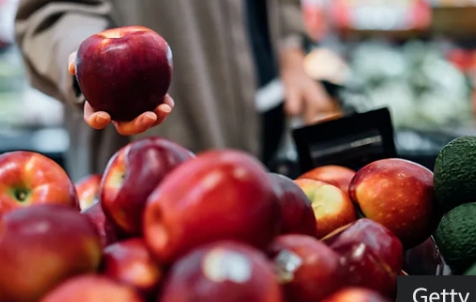
Fruits and vegetables (apples, berries, spinach, avocados)
Nuts, seeds, popcorn, and dried fruits
Variety matters, as different fibres perform different functions.
Drink Enough Water
Water is essential for the kidneys and liver to flush waste products from the body, such as sodium and urea.
Why hydration matters:
Prevents waste buildup
Reduces risk of kidney damage and kidney stones
Supports long-term kidney function
For most people, 1.5 to 1.8 litres per day (around six to seven-and-a-half glasses) is sufficient. Water, tea, coffee, milk, and sugar-free drinks all count toward this total.
Support Your Lungs
There is no scientific evidence that lung “detox” products work. Some may even be harmful.
What does help:
Avoid smoking and vaping
Stay away from secondhand smoke
Reduce indoor air pollution (limit candles, gas stoves, air fresheners, and scented cleaning products)
Use HEPA vacuum cleaners
Exercise regularly, especially cardiovascular activity
These steps support the lungs’ natural self-cleaning mechanisms.
Get Enough Sleep
Sleep is essential for clearing waste from the brain.
During sleep, cerebrospinal fluid washes through spaces between brain cells, removing metabolic waste—including proteins linked to Alzheimer’s disease. Poor sleep can impair this process and weaken the blood–brain barrier.
Key points:
Around seven hours of sleep is optimal for most adults
Sleep loss slows thinking and impairs judgement
Alcohol disrupts sleep quality
Regular exercise improves sleep
There is no evidence that supplements improve this brain-cleansing process.
Keep Fit — But Not for “Sweating Out Toxins”
Exercise helps detoxification indirectly by improving circulation, kidney function, liver health, and gut motility.
However, sweating does not remove toxins in any meaningful way. Scientists strongly reject claims that saunas or hot yoga can “sweat out” harmful substances.
The real benefits of exercise come from:
Supporting organ function
Improving metabolic health
Enhancing sleep quality
Reducing inflammation
Your body doesn’t need harsh cleanses or detox diets. Instead, the most effective ways to help your body detox itself are:
✔ Eat plenty of fibre ✔ Stay well hydrated ✔ Breathe clean air ✔ Sleep enough ✔ Exercise regularly
These simple, evidence-based habits support the body’s own powerful detox systems—naturally and safely.
Soluap Store enables your sales & payments Online retail and payments services provider, Soluap Store, enables you to make sales and receive payments conveniently With Soluap Store…
How to change information on your National ID Card Process of modification (Adults) Applicants walks into the enrolment Centre with a supporting document (including application letter). Applicant will be…
HOW TO PRESERVE YOUR BEANS 1. Select your beans thoroughly to remove every dirt or debris like stones, twigs etc 2. Put under the sun…
How to finance your project in Algeria Financing of project in Algeria can be done through the 29 banks and public and private financial institutions approved in…
HOW TO TAKE CARE OF YOUR HAIR Hair is a major thread that weaves through an individual’s identity in the fabric of personal expression. Hair care goes…