The Inner North, also known as District 2, is one of the most vibrant and historically rich areas of the city. From its creation in the mid-20th century to its modern role as a bustling urban district, Inner North blends tradition, culture, and growth in a unique way that makes it both a residential hub and a center for community life.
Here’s a polished and structured version of your content with improved readability, consistency, and SEO-friendly formatting:
Inner North
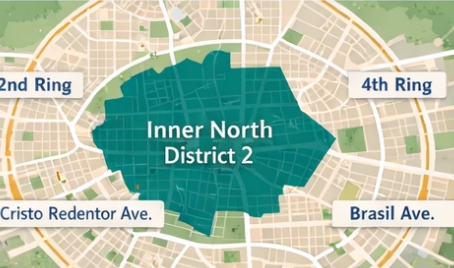
The Inner North area has a rich history and plays a vital role in the city’s urban structure. It was first created on September 17, 1950, and later, District 2 was officially established on September 19, 1994, under the Law of Popular Participation. Today, the district is home to approximately 87,000 inhabitants, organized into 24 neighborhoods that are grouped into 15 neighborhood units.
Geographically, the district is situated between the second and fourth ring roads, stretching from Cristo Redentor Avenue to Brasil Avenue, in the northeastern part of the city. Its most traditional neighborhoods include José Gil Reyes, Los Ángeles, Tusequis, Conavi, Chacarilla, Lazareto, and San José Obrero, among others.
District Information
Category
Details
Population
83,000 inhabitants (2012 Census)
Area
936 hectares
Neighborhood Units
15
Neighborhoods
24
This version maintains all your original data but improves clarity, formatting, and flow, making it easier to read for both humans and search engines.
Historical Background
The origins of Inner North date back to September 17, 1950, when the area was officially recognized for administrative purposes. However, it wasn’t until September 19, 1994, with the enactment of the Law of Popular Participation, that District 2 was formally established. This law allowed citizens to have a more direct voice in local governance, which shaped the district’s development and gave neighborhoods the autonomy to manage community projects and local services.
Over the decades, Inner North has maintained a careful balance between preserving traditional neighborhoods and embracing urban growth. The district’s evolution reflects broader trends in city planning, community organization, and citizen engagement, making it a fascinating case study in local governance.
Geography and Location
Inner North is strategically located between the second and fourth ring roads, providing excellent connectivity to the rest of the city. Its boundaries stretch from Cristo Redentor Avenue to Brasil Avenue, placing it in the northeastern part of the urban area. The district covers an area of approximately 936 hectares, featuring a mix of residential zones, commercial areas, and green spaces.
This prime location has facilitated both population growth and infrastructure development. Residents enjoy access to major roads, public transport, and nearby business districts, making Inner North an attractive choice for families, professionals, and entrepreneurs alike.
Population and Demographics
According to the 2012 census, Inner North is home to around 83,000 inhabitants, organized into 24 neighborhoods grouped within 15 neighborhood units. The population density varies across neighborhoods, with traditional areas like José Gil Reyes and Los Ángeles being more densely populated, while emerging neighborhoods tend to have newer residential developments and modern housing complexes.
The district is characterized by a diverse population, including long-time residents and newer families attracted by affordable housing and proximity to the city center. Population growth has been steady, reflecting both natural growth and migration patterns from other parts of the city.
Neighborhoods of Inner North
Inner North is renowned for its traditional neighborhoods, each with its own distinct character:
José Gil Reyes – Known for its historic architecture and vibrant street markets.
Los Ángeles – A family-friendly neighborhood with parks and schools.
Tusequis and Conavi – Residential areas featuring community centers and small local businesses.
Chacarilla, Lazareto, and San José Obrero – Neighborhoods rich in culture, local festivals, and communal activities.
Emerging neighborhoods in the district reflect modern urban planning, with wide streets, apartment complexes, and commercial zones that cater to growing business activities. The blend of old and new creates a dynamic environment where tradition and modernity coexist.
Urban Planning and Infrastructure
Inner North benefits from thoughtful urban planning, which ensures that streets, utilities, and public spaces meet the needs of its residents. The district is well-served by public transportation, including bus routes and accessible main roads, making commuting convenient.
Public amenities include parks, playgrounds, and sports facilities, fostering a healthy and active community. Utility services such as electricity, water, and sanitation are managed efficiently by local authorities, ensuring reliable service for residents.
Education and Institutions
Education is a cornerstone of community life in Inner North. The district hosts a variety of schools, colleges, and vocational training centers, catering to students of all ages. Community libraries and cultural centers provide spaces for learning, workshops, and local events, supporting both academic and personal development.
Residents also benefit from adult education programs and community-led initiatives, reflecting the district’s commitment to lifelong learning and civic engagement.
Health Services
Healthcare is another priority for Inner North. The district has several hospitals, clinics, and wellness centers, providing both public and private healthcare options. Preventive health programs, vaccination campaigns, and community health workshops are regularly conducted to improve overall well-being.
Access to quality healthcare ensures that residents can maintain healthy lifestyles and receive prompt medical attention when needed, contributing to a higher standard of living in the district.
Culture and Community Life
Inner North is a hub of cultural activities and community engagement. Local festivals celebrate traditional music, dance, and food, attracting visitors from across the city. Neighborhood associations and community centers organize workshops, sports events, and cultural exhibitions, fostering a strong sense of belonging among residents.
The district’s cultural scene also includes art galleries, music venues, and theaters, where local artists and performers showcase their talents. Community-driven initiatives strengthen social ties and encourage participation in civic life.
Economy and Employment
The economy of Inner North is diverse, combining small businesses, retail outlets, and service industries. Many residents are employed locally in shops, offices, and municipal services, while others commute to nearby districts for work.
The district’s growth has also attracted entrepreneurs and startups, particularly in areas like technology, retail, and community services. Local markets, shopping areas, and business hubs contribute significantly to the district’s economic vitality.
Transportation and Connectivity
Inner North’s location between major ring roads ensures excellent connectivity to the rest of the city. Public buses, taxis, and ride-sharing services are widely available, while main avenues like Cristo Redentor and Brasil Avenue facilitate smooth traffic flow.
Cycling lanes and pedestrian-friendly streets have also been developed, promoting sustainable mobility and improving the quality of life for residents.
Parks, Recreation, and Green Spaces
The district is home to numerous parks and recreational areas, offering spaces for exercise, relaxation, and family activities. These green spaces not only enhance the aesthetic appeal of Inner North but also contribute to environmental sustainability by reducing urban heat and improving air quality.
Sports complexes, playgrounds, and jogging tracks encourage physical activity, making Inner North a healthy and vibrant community.
Challenges and Development Goals
Like many urban districts, Inner North faces challenges such as population pressure, traffic congestion, and the need for sustainable development. Local authorities have implemented plans to improve infrastructure, expand green areas, and enhance public services, aiming to create a balanced and inclusive urban environment.
Citizen participation remains a key aspect of the district’s development, ensuring that projects reflect the needs and priorities of residents.
FAQs about Inner North
1. When was Inner North officially established as District 2? It was officially established on September 19, 1994, under the Law of Popular Participation.
2. How many neighborhoods are in Inner North? Inner North has 24 neighborhoods, grouped into 15 neighborhood units.
3. What is the population of Inner North? According to the 2012 census, approximately 83,000 inhabitants live in the district.
4. Which are the most traditional neighborhoods? Some of the most traditional neighborhoods include José Gil Reyes, Los Ángeles, Tusequis, Conavi, Chacarilla, Lazareto, and San José Obrero.
5. What public services are available in Inner North? The district provides access to schools, hospitals, clinics, parks, and public transportation, ensuring a high quality of life for residents.
6. What cultural activities can visitors expect? Residents and visitors can enjoy local festivals, art exhibitions, music events, and community workshops that celebrate the district’s heritage and creativity.
Inner North stands as a dynamic and historically rich district, combining traditional neighborhoods with modern urban development. With its strong community life, cultural vibrancy, and growing economy, it continues to attract residents and visitors alike. The district exemplifies how thoughtful urban planning, citizen participation, and cultural preservation can create a thriving urban community.
Aliyah to Jerusalem: Key Details Aliyah to Jerusalem Aliyah (עלייה) refers to Jewish immigration to Israel, and Jerusalem is a top destination for many Olim…
Kotoka International Airport details Capacity Kotoka International Airport has the capacity to handle 5 million passengers a year, Process 1,250 passengers per hour, Six…
States creation in Nigeria: List with details List of Nigeria’s 36 states and the Federal Capital Territory AbiaAdamawaAkwa IbomAnambraBauchiBayelsaBenueBornoCross RiverDeltaEbonyiEdoEkitiEnuguFederal Capital Territory, AbujaGombeImoJigawaKadunaKanoKatsinaKebbiKogiKwaraLagosNasarawaNigerOgunOndoOsunOyoPlateauRiversSokotoTarabaYobeZamfara List of 5 states…
Gelephu Mindfulness City: Key Details How Gelephu Mindfulness City is redefining sustainable development through mindful prosperity, progressive governance, and investor-friendly policies in Bhutan. Gelephu Mindfulness…