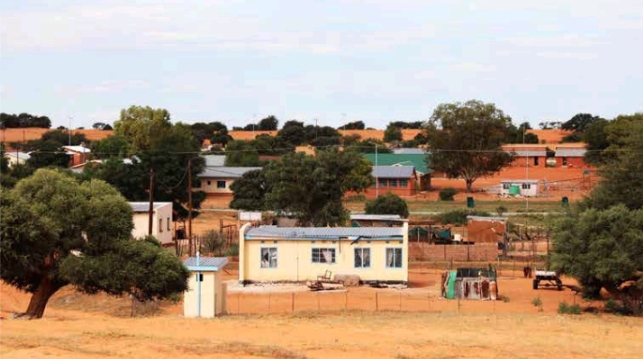
Botswana’s villages form the foundation of the country’s social, cultural, and administrative life. Although Botswana is steadily urbanising, the majority of its people still live in villages rather than large cities. These settlements vary greatly in size, function, and economic importance, ranging from small rural communities with a few hundred residents to large villages with populations comparable to towns.
Villages in Botswana are officially recognised administrative units. Each village typically has a kgotlaRecognised administrative units. Each village typically has a kgotla, which serves as the traditional meeting place and local governance centre, led by a chief or headman. The kgotla system plays a crucial role in decision-making, conflict resolution, and communication between the government and citizens. This structure has helped preserve strong community bonds and participatory governance across the country.
Population distribution among Botswana villages is uneven. A relatively small number of large villages account for a significant share of the national population. Villages such as Mogoditshane, Maun, Molepolole, Serowe, Tlokweng, and Palapye each have tens of thousands of residents and function as semi-urban centres. These larger villages often have hospitals, senior secondary schools, shopping centres, banks, and paved road networks, making them important regional service hubs.
Smaller villages, especially those in remote areas such as Ngamiland West, Ghanzi, and the Kgalagadi regions, are more rural in character. Their economies are commonly based on subsistence farming, livestock rearing, government employment, and social support programmes. Despite their size, these villages remain vital to Botswana’s cultural identity and territorial settlement, ensuring population presence across vast geographic areas.
A key demographic feature of Botswana villages is the gender imbalance, with females generally outnumbering males. This trend is linked to labour migration, as many men move to cities, mines, or commercial centres for work while women maintain households and community life. Villages therefore play a central role in family stability, childcare, and social cohesion.
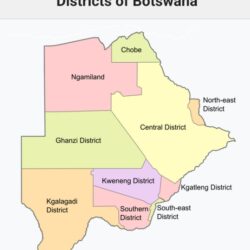
Geographically, villages are organised within districts such as Kweneng, Central, Ngwaketse, Kgatleng, Ngamiland, Chobe, Ghanzi, and the Kgalagadi districts. Each district has a hierarchy of villages, with one or two large settlements acting as administrative and economic anchors, supported by numerous smaller surrounding villages.
In development planning, villages are critical. Government investment in water supply, electricity, schools, clinics, housing, and road infrastructure is largely planned around village populations. As some villages continue to grow rapidly—particularly those near urban centres—they increasingly face challenges such as housing shortages, land pressure, unemployment, and strain on services. At the same time, these growing villages present opportunities for local business development, decentralisation, and balanced national growth.
Botswana Districts and their Capitals Botswana’s Administrative District System Botswana is a unitary state whose territorial administration is structured to balance centralized governance with effective…
List of Botswana Villages Villages in Botswana according to Census District Barolong BethelBorobadilepeDigawanaDikhukhungDinatshanaDitlharapaGamajalelaGathwaneGood HopeHebronKangweKgoroLejwanaLeporungLogaganeLorwanaMabuleMadingwanaMagoriapitseMakokweMalokaganyaneMarojaneMetloboMetlojaneMmakgoriMmathetheMogojogojoMogwalaleMokatakoMokgomaneMoleteMotsentsheMusiNgwatsauPapatloPhihitshwanePhitshane MolopoPitsana-PotokwePitsane SidingRakhunaRamatlabamaSedibengSekhutlaneSheep FarmTlhareseleeleTshidilamolomoTswaanengTswagare/Lothoje/LokalanaTswanyaneng Central Bobonong BobonongDamochojenaKobojangoLentswelemoritiLepokoleMabolweMathathaneMmadinareMolalatauMoletemaneMotlhabanengRobelelaSemolaleSefopheTobaneTsetsebjweTshokwe Central Boteti KediaKhweeKumagaLetlhakaneMakalamabediMmadikolaMmatshumoMokoboxaneMopipiMoreomaotoMosuMotopiToromojaTsienyane/RakopsXereXhumo Central…
List of Botswana Villages List of Botswana villages according to districts Barolong Bethel Borobadilepe Digawana Dikhukhung Dinatshana Ditlharapa Gamajalela Gathwane Good Hope Hebron Kangwe…
List of largest cities, towns and districts in Botswana The largest cities, towns and districts in Botswana according to population size are: RankNameCity, Town or DistrictPopulation 20221GaboroneGaborone246,3252FrancistownFrancistown103,4173MogoditshaneKweneng District88,0044MaunNorth-West District85,3505MolepololeKweneng…