List of India Ministers. Union Council of Ministers headed by Prime Minister Narendra Modi
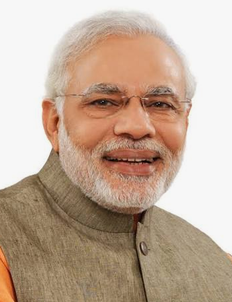
Prime Minister
Narendra Modi holds Personnel, Public Grievances and Pensions; the Department of Atomic Energy; the Department of Space; all important policy issues; and every portfolio not assigned to another minister.
Cabinet Ministers (29)
Rajnath Singh: Defence
Amit Shah: Home Affairs; Cooperation
Nitin Gadkari: Road Transport and Highways
J. P. Nadda: Health and Family Welfare; Chemicals and Fertilizers
Shivraj Singh Chouhan: Agriculture and Farmers’ Welfare; Rural Development
Nirmala Sitharaman: Finance; Corporate Affairs
S. Jaishankar: External Affairs
Manohar Lal Khattar: Power; Housing and Urban Affairs
H. D. Kumaraswamy: Heavy Industries; Steel
Piyush Goyal: Commerce and Industry
Jitan Ram Manjhi: Micro, Small and Medium Enterprises
Lalan Singh: Panchayati Raj; Fisheries, Animal Husbandry and Dairying
Sarbananda Sonowal: Ports, Shipping and Waterways
Virendra Kumar: Social Justice and Empowerment
K. Ram Mohan Naidu: Civil Aviation
Pralhad Joshi: Consumer Affairs, Food and Public Distribution; New and Renewable Energy; Education (additional charge)
Jual Oram: Tribal Affairs
Giriraj Singh: Textiles
Ashwini Vaishnaw: Railways; Information and Broadcasting; Electronics and Information Technology
Jyotiraditya Scindia: Communications; Development of North Eastern Region
Bhupender Yadav: Environment, Forest and Climate Change
S. P. Singh Baghel: Fisheries, Animal Husbandry and Dairying; Panchayati Raj
Shobha Karandlaje: MSME; Labour and Employment
Kirti Vardhan Singh: Environment, Forest and Climate Change; External Affairs
Pabitra Margherita: External Affairs; Textiles
Shantanu Thakur: Ports, Shipping and Waterways
Suresh Gopi: Petroleum and Natural Gas; Tourism
L. Murugan: Information and Broadcasting; Parliamentary Affairs
Ajay Tamta: Road Transport and Highways
Harsh Malhotra: Corporate Affairs; Road Transport and Highways
Satish Chandra Dubey: Coal; Mines
Sanjay Seth: Defence
Durgadas Uikey: Tribal Affairs
Raksha Khadse: Youth Affairs and Sports
Sukanta Majumdar: Education; Development of North Eastern Region
Savitri Thakur: Women and Child Development
Tokhan Sahu: Housing and Urban Affairs
Bhupathi Raju Srinivasa Varma: Heavy Industries; Steel
Nimuben Bambhaniya: Consumer Affairs, Food and Public Distribution
Government and leadership. The Third Modi ministry took office on 9 June 2024, after the BJP-led National Democratic Alliance won 293 of the 543 Lok Sabha seats in the 2024 general election. President Droupadi Murmu administers the oath of office. Rahul Gandhi (Congress) is the Leader of the Opposition in the Lok Sabha.
Structure. The Council of Ministers has three tiers. Cabinet Ministers head the major ministries and sit in the Cabinet. Ministers of State (Independent Charge) run smaller ministries on their own. Ministers of State assist a Cabinet Minister. The original council had 72 members: the PM, 30 Cabinet ministers, 5 MoS (Independent Charge) and 36 MoS. After the two exits below, it now has 70 members: the PM, 29 Cabinet ministers, 5 MoS (IC) and 35 MoS. The Constitution caps the council at 15% of the Lok Sabha’s strength, which is 81 ministers.
Coalition makeup. The BJP holds most posts. Other parties with ministers are JD(U), TDP, JD(S), HAM, LJP (Ram Vilas), Shiv Sena, RLD, RPI (Athawale) and Apna Dal (Soneylal). The four top ministries are Home (Amit Shah), Defence (Rajnath Singh), Finance (Nirmala Sitharaman) and External Affairs (S. Jaishankar). Each of them kept the same portfolio from the previous government.
Changes since the 2024 line-up:
George Kurian, MoS for Fisheries and Minority Affairs, resigned on 23 June 2026, and the President accepted it the same day.
Dharmendra Pradhan resigned as Education Minister on 25 July 2026. The President accepted his resignation and gave Pralhad Joshi additional charge of Education. The exit followed nationwide protests over exam paper leaks. Education has had no full-time Cabinet minister since, so Joshi now holds three ministries.
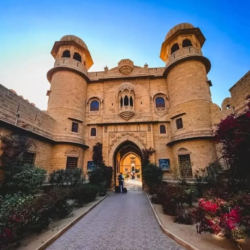
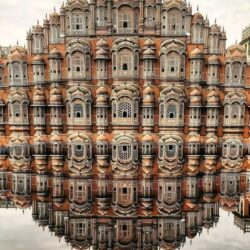
World Heritage Sites in India UNESCO World Heritage Sites in India are: Agra Fort Ajanta Caves Ellora Caves Taj Mahal Group of Monuments at Mahabalipuram…