US President Donald Trump announced, in the early hours of Saturday, 16 May 2026, that Abu-Bilal al-Minuki, the second-in-command of ISIS, had been killed in Nigeria.
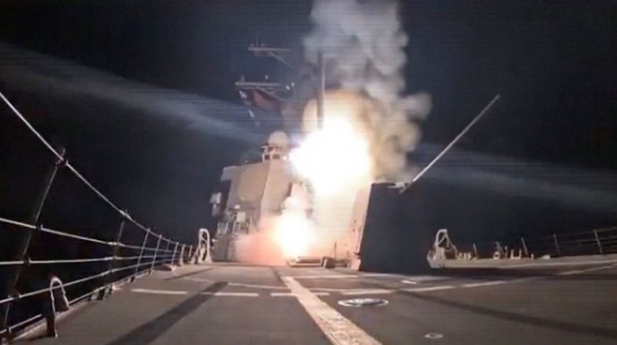
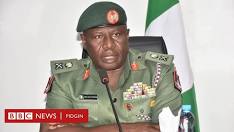
He said al-Minuki was killed in a “complex mission” carried out by Nigerian and American troops.
President Bola Tinubu also confirmed the operation, describing the strike as a “significant example of effective collaboration in the fight against terrorism”.
THE NIGERIAN BORN TERRORIST WITH A GLOBAL FOOTPRINT
Al-Minuki, also known as Abor Mainok or Abubakar Mainok, was born in 1982 in Mainok, Benisheikh, Borno state.
ISIS (Islamic State) was established in Iraq and subsequently expanded into Syria, becoming a transnational insurgency centred on the Iraq–Syria region.
After the dramatic collapse of the ISIS caliphate in 2017, the jihadist group was forced to splinter and relocate to Africa and Central Asia, exploiting the weak governance structures in both regions.
By late 2014, cells of militants claiming to be affiliates or direct extensions of ISIS had emerged in several conflict zones in West Africa.
WHY THE ELIMINATION OF AL-MINUKI MATTERS
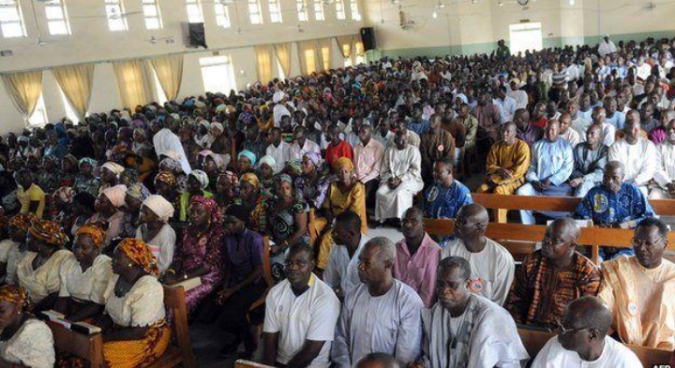
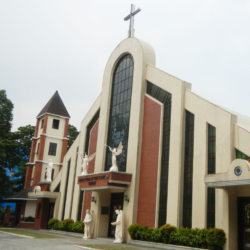
The killing of Abu-Bilal al-Minuki has particular significance for many people in Nigeria because extremist violence linked to ISIS-affiliated groups has heavily affected communities across parts of the country for years. Nigerian churches, pastors, Christian farmers, students, and villages have repeatedly been targeted during insurgent attacks in the northeast and parts of the Middle Belt.
1. ISIS-Linked Violence Has Killed Thousands of Christians
Groups connected to Islamic State West Africa Province and Boko Haram have carried out bombings, church attacks, kidnappings, village raids, and executions that affected many Christian communities.
Over the years, churches in Borno, Adamawa, Yobe, Plateau, Benue, Kaduna, and other states have suffered repeated attacks. Christian leaders have often described these assaults as attempts to intimidate or displace Christian populations from vulnerable regions.
2. Many Christians See It as Justice for Victims
Because al-Minuki was reportedly linked to ISIS operations in West Africa, many believers view his death as accountability for years of violence.
Families affected by kidnappings, killings, and attacks may see the operation as a symbolic moment after prolonged insecurity and grief.
3. Churches Have Been Frequent Targets
Several ISIS-linked and Boko Haram attacks specifically targeted Christian worship centers, especially during Christmas, Easter, and Sunday services.
Many Nigerian Christians therefore interpret the death of a senior ISIS commander not only as a military development, but also as protection for vulnerable congregations.
4. Kidnappings of Christian Clergy Became a Major Fear
Pastors, priests, seminarians, and church workers have frequently been kidnapped in northern Nigeria. Some were later released after ransom payments, while others were killed.
Christian organizations have repeatedly called for stronger security measures to protect clergy and worshippers in high-risk regions.
5. Christian Farmers and Villages Were Displaced
Violence by insurgent groups contributed to the displacement of millions of people in northeastern Nigeria.
Many Christian farming communities abandoned homes, churches, schools, and farmland due to repeated raids and insecurity around the Lake Chad Basin.
6. The Dapchi Kidnapping Shocked Christian Communities
Authorities reportedly linked al-Minuki to extremist operations connected to the 2018 Dapchi schoolgirls kidnapping.
Although the victims included Muslim students, the incident intensified fears among Christian families about school safety, extremist recruitment, and mass abductions in northern Nigeria.
7. Nigerian Christians Often View ISIS Expansion as a Regional Threat
Security experts increasingly warn that ISIS affiliates in Africa remain active despite leadership losses in the Middle East.
Many Nigerian Christians therefore see the removal of senior ISIS figures as important for preventing wider instability across West Africa.
8. It Strengthens Confidence in Counterterrorism Efforts
The operation involving Nigerian and U.S. forces demonstrated improved intelligence-sharing and military coordination.
Some Christian groups interpret this as evidence that extremist leaders can still be tracked and neutralized despite years of insurgency.
9. It Carries Emotional and Spiritual Meaning
For many believers, the death of a figure associated with extremist violence represents more than a military event.
Church leaders often frame such developments in terms of answered prayers, resilience, justice, and hope for peace after years of fear and displacement.
10. Many Christians Still Believe the Security Crisis Is Far From Over
Despite the significance of al-Minuki’s reported death, many Nigerian Christians remain cautious.
Extremist groups in the region continue to conduct attacks, kidnappings, and raids, especially in remote communities. Analysts warn that leadership losses alone rarely end insurgencies completely.
For many churches and Christian communities, the event is therefore seen as an important milestone — but not the end of the wider security challenge facing Nigeria and the Lake Chad region.
The death of Abu-Bilal al-Minuki, a senior leader within ISIS, has drawn global attention after United States and Nigerian authorities confirmed he was killed during a joint counterterrorism operation in northeastern Nigeria. Officials described the mission as a major strike against the extremist group’s global network.
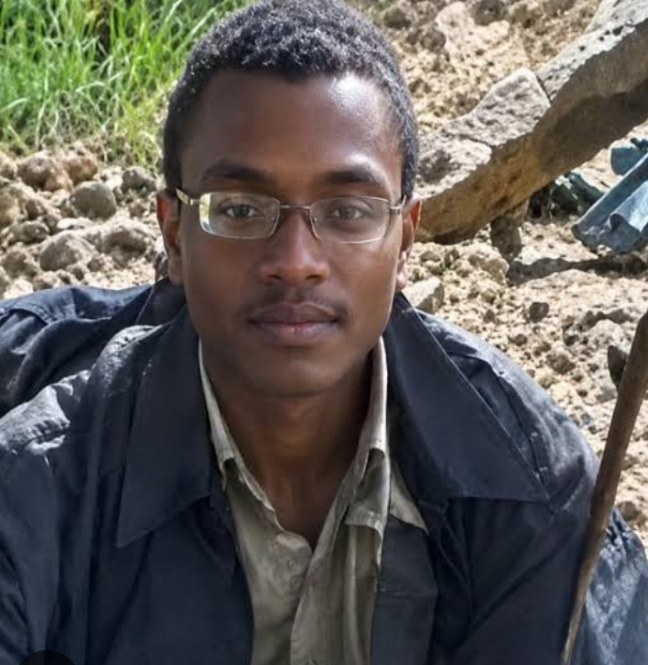
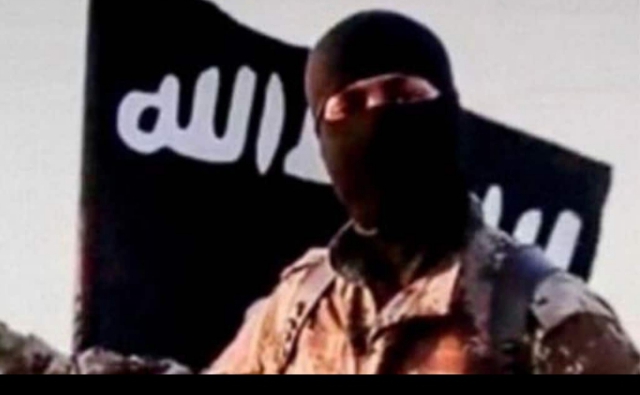
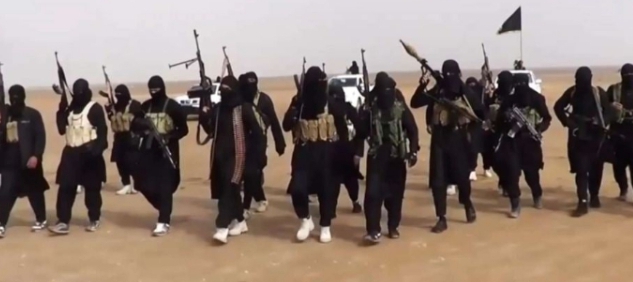
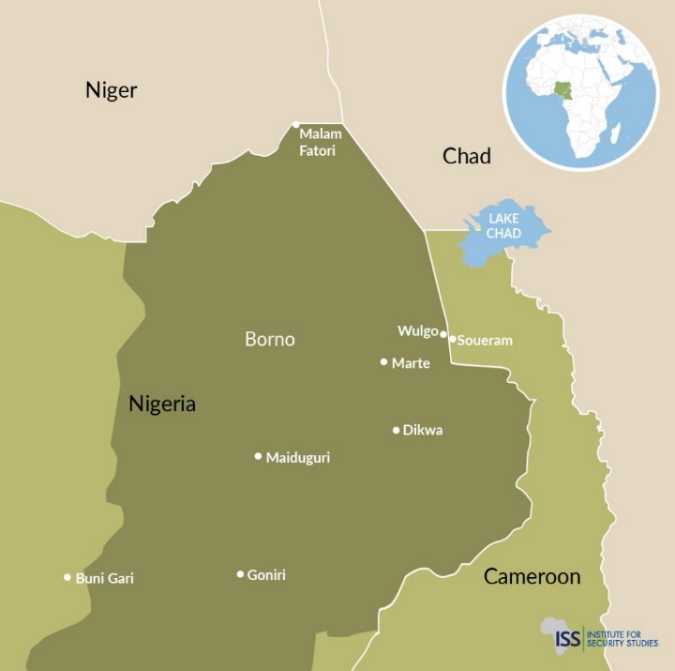
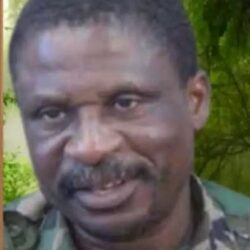
Al-Minuki, the ISIS CommanderISIS terroristsThe Lake Chad area, his baseAl-Minuki and his group killed many Christians
Things to Know About Abu-Bilal al-Minuki
1. He Was Reportedly ISIS’s Second-in-Command Globally
American and Nigerian officials identified Abu-Bilal al-Minuki as one of the highest-ranking ISIS leaders in the world. Former U.S. President Donald Trump described him as the “second in command of ISIS globally” and one of the organization’s most active operatives.
According to reports, he held a leadership role within ISIS’s global command structure, especially overseeing activities connected to West Africa and the Sahel region.
2. He Was Born in Nigeria
Reports say al-Minuki was a Nigerian national born in 1982 in Borno State, northeastern Nigeria. Some sources identified his birthplace as Mainok, a town near Benisheikh in Borno.
The region has long been affected by insurgency, including activities linked to Boko Haram and ISIS-affiliated factions operating around the Lake Chad Basin.
3. His Real Name Was Different
U.S. sanctions documents reportedly identified him as Abu Bakr ibn Muhammad ibn Ali al-Mainuki. “Abu-Bilal al-Minuki” was one of several aliases associated with him.
Like many senior extremist figures, he allegedly operated under multiple identities for operational security and communication within militant networks.
4. The United States Designated Him a Global Terrorist
The U.S. government formally designated al-Minuki as a “Specially Designated Global Terrorist” in 2023.
That designation placed sanctions on him and identified him as a significant threat to international security. U.S. authorities accused him of coordinating attacks, logistics, and militant operations across several African regions.
5. He Oversaw ISIS Operations in West Africa and the Sahel
Security reports linked al-Minuki to ISIS operations across West Africa, particularly in the Sahel and Lake Chad Basin.
Analysts said he played a strategic role in financing, weapons coordination, logistics, recruitment, and communication between ISIS-linked factions operating in Nigeria, Niger, Chad, Cameroon, and surrounding areas.
6. He Was Allegedly Connected to Major Terror Attacks
Nigerian military officials linked al-Minuki to several attacks on military formations in northeastern Nigeria.
Authorities also claimed he had ties to the 2018 Dapchi schoolgirls kidnapping, one of the most notorious extremist attacks in Nigeria’s recent history.
The abduction involved more than 100 schoolgirls from Yobe State and drew international condemnation.
7. He Was Killed in a Joint U.S.–Nigeria Military Operation
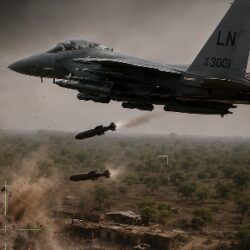
Al-Minuki was reportedly killed during a coordinated counterterrorism mission involving Nigerian forces and U.S. military support.
The operation reportedly took place in the Lake Chad Basin, specifically around Metele in Borno State. Officials described it as a carefully planned air-and-ground mission based on months of intelligence gathering.
Several of his associates and lieutenants were also reportedly killed during the strike.
8. Officials Said His Death Was a Major Blow to ISIS
American and Nigerian authorities described the operation as a major setback for ISIS operations in Africa.
Trump claimed that al-Minuki’s removal had “greatly diminished” ISIS’s global capabilities.
Security experts, however, cautioned that extremist organizations often reorganize after leadership losses, meaning the long-term impact remains uncertain.
9. His Rise Reflected ISIS’s Shift Toward Africa
Experts increasingly view Africa as one of ISIS’s most active operational theaters.
As ISIS lost territory in Iraq and Syria over recent years, affiliated groups in West Africa and the Sahel gained importance within the organization’s global structure. Al-Minuki’s influence reportedly reflected that strategic shift.
The Lake Chad Basin has become one of the key conflict zones where ISIS-linked militants continue to operate.
10. His Death Highlighted Growing U.S.–Nigeria Security Cooperation
The operation demonstrated increasing military and intelligence collaboration between Nigeria and the United States.
Nigerian officials described the mission as evidence of strengthened bilateral counterterrorism efforts, particularly in intelligence-sharing, reconnaissance, and operational planning.
The mission also reflected broader international concern about the expansion of extremist violence across West Africa and the Sahel.
11. He Was Linked to ISIS West Africa Province (ISWAP)
Security analysts frequently associated Abu-Bilal al-Minuki with the Islamic State West Africa Province, commonly known as ISWAP. The group emerged after a split within Boko Haram and later became one of ISIS’s strongest regional affiliates.
ISWAP has operated mainly around the Lake Chad Basin, carrying out attacks on military bases, villages, humanitarian workers, and civilian targets across Nigeria, Niger, Chad, and Cameroon.
12. He Was Considered a Strategic Planner Rather Than a Public Figure
Unlike some extremist commanders who regularly appeared in propaganda videos, al-Minuki reportedly operated largely behind the scenes. Intelligence sources described him as a strategist involved in logistics, coordination, and long-term operational planning.
This lower public profile may have helped him avoid detection for years while maintaining influence inside the ISIS hierarchy.
13. He Allegedly Coordinated Cross-Border Militant Networks
Authorities said al-Minuki played an important role in connecting extremist cells operating across national borders in West Africa.
The porous borders surrounding Lake Chad have long allowed insurgent groups to move fighters, weapons, fuel, and supplies between neighboring countries.
14. Intelligence Agencies Had Been Tracking Him for Years
Counterterrorism officials reportedly spent years monitoring al-Minuki’s activities before the operation that killed him.
The final mission was said to rely on surveillance data, informants, communications intelligence, and regional military coordination developed over an extended period.
15. He Survived Earlier Counterterrorism Raids
Reports indicate that al-Minuki had previously escaped several military offensives targeting ISIS-linked camps in northeastern Nigeria.
Security experts said insurgent leaders in the region often rely on difficult terrain, remote islands, and mobile camps to evade capture.
16. He Operated in the Lake Chad Region
Much of al-Minuki’s influence was reportedly centered around the Lake Chad Basin, one of Africa’s most unstable conflict zones.
The area’s marshlands, islands, forests, and limited infrastructure have complicated military operations for years, giving insurgent groups opportunities to establish hidden bases.
17. His Activities Reflected the Financial Evolution of ISIS
Security researchers say ISIS affiliates in Africa increasingly rely on local taxation, smuggling, kidnapping, extortion, and illegal trade networks to fund operations.
Al-Minuki was reportedly involved in coordinating some of those financial channels that helped sustain militant activities across the region.
18. Nigerian Officials Viewed Him as a High-Value Target
The Nigerian military reportedly considered al-Minuki among the country’s most wanted extremist leaders.
Officials argued that his operational experience and international ISIS connections made him particularly dangerous compared with lower-ranking field commanders.
19. His Death Triggered Global Security Discussions
Counterterrorism analysts worldwide discussed the implications of al-Minuki’s death for ISIS operations beyond the Middle East.
Many experts noted that ISIS’s African branches remain among the organization’s most active and resilient components despite leadership losses elsewhere.
20. Experts Warn the Threat Has Not Ended
Although officials celebrated the operation, analysts warned that extremist groups often replace leaders quickly.
Counterinsurgency experts stressed that military action alone may not fully eliminate insurgent threats without broader efforts involving governance, economic development, border security, and local stabilization programs in affected regions.
Why Bi’r Hima in Saudi Arabia matters Bi’r Hima, located in southwestern Saudi Arabia, is indeed one of the most significant archaeological sites in the world, offering…
What are subsidies and why they matter There is no universally accepted definition of a subsidy. Organizations such as the Organisation for Economic Co-operation and Development (OECD)…
Why Study Zulu There are many reasons for studying Zulu, including personal interest in southern African cultures, research interests and fulfillment of foreign…