Ecuador’s 222 Cantons: Where the Country’s 16.9 Million People Actually Live
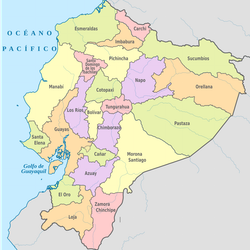
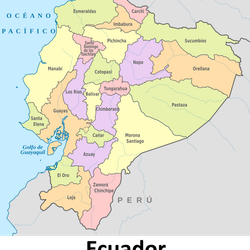
Ecuador is a country of sharp contrasts. Its second-level administrative divisions, the cantons, show this better than any other measure. As of 2025 there are 222 of them, grouped into 24 provinces. According to the 2022 census, they hold a combined 16,938,986 people. A few cantons are home to millions, while others count their residents in the low thousands.
Two giants at the top
Two cantons dominate the national picture. Guayaquil, in Guayas Province, is the most populous canton in the country with 2,746,403 residents. That is about 16 percent of all Ecuadorians. Quito, in Pichincha Province, follows closely with 2,679,722, or roughly 16 percent as well. Together the two account for more than 5.4 million people, about a third of the national population.
No other canton comes close. The third most populous, Cuenca in Azuay Province, has 596,101 residents. Santo Domingo de los Colorados (441,583), Ambato (370,664), Portoviejo (322,925), Machala (306,309), Durán (303,910), Manta (271,145), Riobamba (260,882) and Loja (250,028) complete the ranks of the cantons with a quarter of a million people or more.
The provinces: three heavyweights
Population is just as concentrated at the provincial level. Guayas leads with 4,391,923 residents spread across 25 cantons, about 26 percent of the country. Pichincha is second with 3,089,473 people, though it has only eight cantons, and Quito alone makes up the vast majority of its population. Manabí ranks third with 1,592,840 residents across 22 cantons. These three provinces together hold more than half of Ecuador’s population, about 9.07 million people.
Los Ríos (898,652), Azuay (801,609) and El Oro (714,592) round out the six most populated provinces. At the other end of the scale, Galápagos has just 28,583 residents across its three cantons: Santa Cruz (17,233), San Cristóbal (8,300) and Isabela (3,050). Zamora-Chinchipe (110,973) and Pastaza (111,915) are the next smallest.
Provinces with a single dominant city
In many provinces, one canton towers over the rest. In Azuay, Cuenca has 596,101 residents, while the next largest canton, Gualaceo, has 43,188. In Tungurahua, Ambato’s 370,664 dwarfs Pelileo’s 63,897. In Chimborazo, Riobamba (260,882) is more than five times the size of Guano (48,327). Loja Province is similar: the canton of Loja has 250,028 residents, and the runner-up, Catamayo, has 35,240.
Other provinces are more balanced. Manabí has two large urban centers, Portoviejo and Manta, with more than 270,000 people each, followed by Chone and El Carmen, both above 120,000. Santa Elena Province has three cantons of similar scale: Santa Elena (186,687), La Libertad (112,247) and Salinas (86,801).
Santo Domingo de los Tsáchilas is the smallest province by number of cantons. It has just two: Santo Domingo de los Colorados, with 441,583 residents, and La Concordia, with 51,386.
The smallest cantons
At the other end of the spectrum are cantons with only a few thousand people. Chilla in El Oro Province is the smallest, with 2,251 residents. Pablo Sexto in Morona Santiago follows with 2,267, and El Pan in Azuay with 2,776. Isabela in the Galápagos (3,050) and Sucumbíos in the province of the same name (3,174) are also among the least populated.
Size on the map and size in population are two different things. Pastaza canton covers 19,944 square kilometers, the largest area on the list, yet it has only 82,754 residents. Aguarico in Orellana Province spans 11,294 square kilometers and counts just 6,872 people. Isabela, the largest island of the Galápagos, covers 5,528 square kilometers and has a population of 3,050.
Newest cantons
Ecuador’s administrative map is still evolving. The most recently created canton is Sevilla Don Bosco, established in Morona Santiago Province in 2024 as the country’s 222nd canton. It did not exist at the time of the 2022 census, so no census figure is available for it. Before that, La Concordia was created in 2007 in Esmeraldas Province and transferred to Santo Domingo de los Tsáchilas Province in 2013. It now has 51,386 residents.
How cantons are governed
Cantons are the second-level subdivisions of Ecuador, below the provinces and above the parishes, which are classified as either urban or rural. Each canton has a jefe político chosen by the president, along with a mayor (alcalde) and a municipal council (concejo municipal) elected by popular vote.
A country of concentration
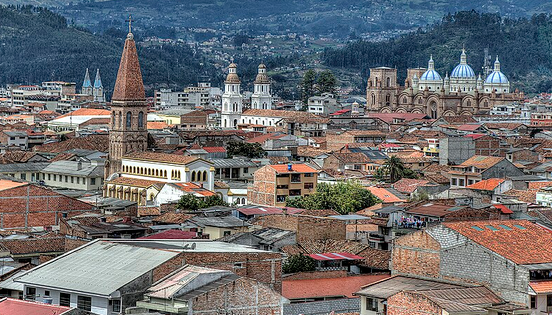
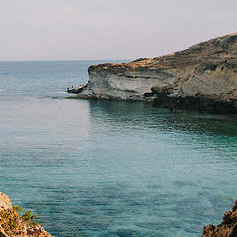
Cuenca, Ecuador
The 2022 census figures show a country where population clusters around a handful of major urban centers, especially on the coast and in the Andean highlands, while the Amazon region and the Galápagos remain sparsely settled. With 222 cantons ranging from 2,251 to 2,746,403 inhabitants, Ecuador’s local government structure has to serve communities of very different scales.
Source: Cantons_of_Ecuador, based on 2022 Ecuador census
More
Cantons of Ecuador by Land Area (km²) Provinces are ordered from largest to smallest total area, and cantons within each province are ranked from largest to smallest.…
World Heritage Sites in Ecuador UNESCO World Heritage Sites in Ecuador are: City of Quito Galápagos Islands Sangay National Park Historic Centre of Santa Ana…
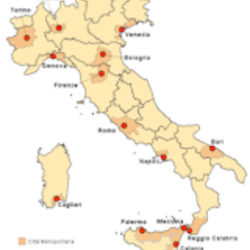
Italy’s Smallest Towns: 149 Municipalities With Fewer Than 150 Residents Including Commune,… RankComuneProvRegPopulationArea_km2DensityAltitude_m1ColledimacineCHABR14911.3137782DognaUDFVG14870.372.14243BolognolaMCMAR14825.865.7210614Varco SabinoRILAZ14824.755.987555Mongiardino LigureALPIE14529.034.996076NasinoSVLIG14522.186.543307CallabianaBIPIE1456.56227328QuarantiATPIE1442.87502699Aquila d’ArrosciaIMLIG14410.061447610MoliseCBMOL1445.22884611CasteldelfinoCNPIE14333.954.21132312Celle di San VitoFGPUG14318.417.7773213PilaVCPIE1428.691670514San Benedetto BelboCNPIE1414.852963015Curiglia con MonteviascoVALOM14110.721365316Ceresole RealeTOPIE13999.821.39161717RimellaVCPIE13926.275.29116618San Giovanni LipioniCHABR1398.671655919Castelletto MolinaATPIE1373.074523820BrumanoBGLOM1358.221689821Oltressenda AltaBGLOM13517.327.7973322IrmaBSLOM1354.92879823LaghiVIVEN13522.186.0956524CastelpizzutoISMOL13515.398.7786525ParlascoLCLOM13534567626BoronedduORSAR1354.592921527CasascoALPIE1349.041538228MassimenoTNTAA13421.036.3786829Alto SermenzaVCPIE13360.332.290030Castelvecchio di Rocca BarbenaSVLIG13316.148.2439631CollegioveRILAZ13310.611398732CrissoloCNPIE13252.052.54133533VolparaPVLOM1313.773534634VolpeglinoALPIE1293.254023035ValleveBGLOM12914.768.74114536SoglioATPIE1283.283927837SemesteneSSSAR12739.583.2139638SetzuVSSAR1277.81620839OrnicaBGLOM12615.18.3592940PietraferrazzanaCHABR1264.372933941Castelvecchio…
Population of Indonesians Aged 70 to 74 Years Area70-74 YearsINDONESIA6679054ACEH101973Simeulue1609Aceh Singkil1751Aceh Selatan5003Aceh Tenggara3986Aceh Timur7123Aceh Tengah3833Aceh Barat4029Aceh Besar7912Pidie10013Bireuen9540Aceh Utara11796Aceh Barat Daya2862Gayo Lues1313Aceh Tamiang5919Nagan Raya3489Aceh Jaya1478Bener Meriah2741Pidie Jaya3601Kota Banda Aceh4490Kota…
Population of Indonesians Aged 65 to 69 Years Area65-69 YearsINDONESIA9664248ACEH150916Simeulue2572Aceh Singkil2587Aceh Selatan7668Aceh Tenggara6090Aceh Timur10611Aceh Tengah5868Aceh Barat6229Aceh Besar11376Pidie13153Bireuen13067Aceh Utara16903Aceh Barat Daya4640Gayo Lues2313Aceh Tamiang9406Nagan Raya5531Aceh Jaya2548Bener Meriah4195Pidie Jaya4658Kota Banda Aceh6840Kota…
Population of Indonesians Aged 75 Years and More Area75 Years and MoreINDONESIA6374090ACEH101676Simeulue1515Aceh Singkil1372Aceh Selatan5288Aceh Tenggara3361Aceh Timur6301Aceh Tengah4177Aceh Barat4078Aceh Besar8713Pidie11775Bireuen9889Aceh Utara12797Aceh Barat Daya2729Gayo Lues1406Aceh Tamiang4394Nagan Raya3639Aceh Jaya1936Bener Meriah2828Pidie Jaya4336Kota…
Population of Indonesians Aged 60 to 64 Years Area60-64 YearsINDONESIA12780258ACEH206144Simeulue3535Aceh Singkil3896Aceh Selatan10432Aceh Tenggara7857Aceh Timur14819Aceh Tengah8289Aceh Barat8851Aceh Besar16494Pidie16933Bireuen17482Aceh Utara22717Aceh Barat Daya6515Gayo Lues3166Aceh Tamiang12405Nagan Raya6915Aceh Jaya3499Bener Meriah5874Pidie Jaya6049Kota Banda Aceh10149Kota…
Population of Indonesians Aged 55 to 59 Years Area55-59 YearsINDONESIA15558465ACEH260640Simeulue4410Aceh Singkil5031Aceh Selatan13034Aceh Tenggara10256Aceh Timur18430Aceh Tengah10933Aceh Barat11383Aceh Besar20690Pidie21159Bireuen22130Aceh Utara28536Aceh Barat Daya8087Gayo Lues4424Aceh Tamiang15152Nagan Raya8900Aceh Jaya4678Bener Meriah7771Pidie Jaya7596Kota Banda Aceh12630Kota…
Population of Indonesians Aged 50 to 54 Years Area50-54 YearsINDONESIA17964609ACEH318262Simeulue5312Aceh Singkil6676Aceh Selatan15237Aceh Tenggara12342Aceh Timur23195Aceh Tengah13963Aceh Barat13389Aceh Besar25643Pidie26020Bireuen26040Aceh Utara34198Aceh Barat Daya9573Gayo Lues5539Aceh Tamiang18084Nagan Raya11240Aceh Jaya5732Bener Meriah10730Pidie Jaya9341Kota Banda Aceh15322Kota…
Population of Indonesians Aged 45 to 49 Years Area45-49 YearsINDONESIA19845328ACEH365521Simeulue6558Aceh Singkil8139Aceh Selatan16045Aceh Tenggara14662Aceh Timur26712Aceh Tengah15522Aceh Barat14710Aceh Besar29160Pidie29910Bireuen28965Aceh Utara38697Aceh Barat Daya11339Gayo Lues6841Aceh Tamiang20490Nagan Raya12972Aceh Jaya6882Bener Meriah12675Pidie Jaya11010Kota Banda Aceh18258Kota…
Population of Indonesians Aged 40 to 44 Years Area40-44 YearsINDONESIA20851623ACEH401404Simeulue7099Aceh Singkil9142Aceh Selatan16699Aceh Tenggara15583Aceh Timur30728Aceh Tengah15507Aceh Barat15520Aceh Besar32918Pidie32892Bireuen32095Aceh Utara43220Aceh Barat Daya12218Gayo Lues7903Aceh Tamiang21955Nagan Raya13228Aceh Jaya7791Bener Meriah12543Pidie Jaya12201Kota Banda Aceh22094Kota…
Population of Indonesians Aged 35 to 39 Years Area35-39 YearsINDONESIA21824419ACEH431868Simeulue7312Aceh Singkil9616Aceh Selatan18074Aceh Tenggara17323Aceh Timur34056Aceh Tengah16387Aceh Barat16061Aceh Besar34300Pidie36285Bireuen35555Aceh Utara49832Aceh Barat Daya12627Gayo Lues8732Aceh Tamiang22254Nagan Raya13578Aceh Jaya7899Bener Meriah12931Pidie Jaya13355Kota Banda Aceh23656Kota…
Population of Indonesians Aged 30 to 34 Years Area30-34 YearsINDONESIA22259476ACEH449486Simeulue7909Aceh Singkil10912Aceh Selatan20392Aceh Tenggara19629Aceh Timur34802Aceh Tengah17587Aceh Barat16414Aceh Besar33801Pidie37396Bireuen37271Aceh Utara51669Aceh Barat Daya13794Gayo Lues9377Aceh Tamiang24267Nagan Raya14216Aceh Jaya7839Bener Meriah13110Pidie Jaya13272Kota Banda Aceh21517Kota…