List of Casualties from the First Nigerian Coup Led by Major Patrick Chukwuma Kaduna Nzeogwu on January 15, 1966
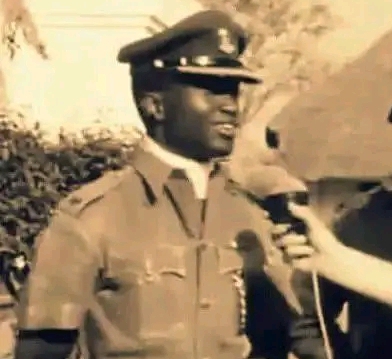
The List of casualties from the first Nigerian coup led by Major Patrick Chukwuma Kaduna Nzeogwu on January 15, 1966 remains one of the defining chapters in Nigeria’s political and military history. That early-morning coup did not only end Nigeria’s First Republic; it violently removed some of the nation’s most prominent political leaders, senior military officers, and innocent civilians.
Although the coup plotters claimed they were acting to eliminate corruption and bad governance, the bloodshed that followed left deep national wounds and ignited a chain of events that eventually led to military rule and, later, the Nigerian Civil War. Understanding who died, how they died, and why their deaths mattered is essential to understanding modern Nigeria.
Background to the January 15, 1966 Coup
By late 1965, Nigeria’s political environment was tense and unstable. Electoral violence, regional rivalries, and allegations of widespread corruption had weakened public trust in the civilian government. The military, once seen as a neutral national institution, was increasingly drawn into political calculations.
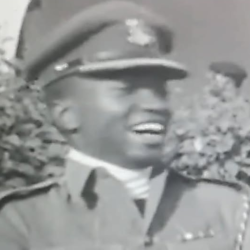
Major Patrick Chukwuma Kaduna Nzeogwu emerged as the most visible leader of the coup. Along with other young officers, he planned coordinated attacks in key cities, including Kaduna, Lagos, and Ibadan. While the coup failed in some regions, its execution resulted in the targeted killing of senior political figures and military commanders, many of whom were taken by surprise in their homes or offices.
Civilian Casualties of the Coup
The civilian deaths from the coup shocked the nation. Several of Nigeria’s highest-ranking elected leaders were killed, effectively decapitating the federal and regional governments overnight.
Senior Political Leaders
The most prominent civilian casualties included:
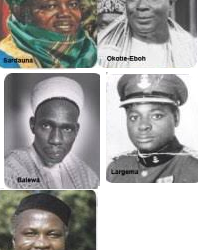
Prime Minister Abubakar Tafawa Balewa, Nigeria’s first and only Prime Minister, whose death symbolized the collapse of civilian authority.
Premier Ahmadu Bello, the Sardauna of Sokoto and Premier of Northern Nigeria, one of the most influential political figures in the country.
Premier Samuel Ladoke Akintola, Premier of the Western Region, killed during the attack in Ibadan.
Finance Minister Festus Okotie-Eboh, a key figure in Nigeria’s economic administration.
These deaths removed the political leadership of three major regions and the federal government in a single night.
Family Members and Close Aides
Beyond political leaders, the coup claimed the lives of civilians who were not political decision-makers but were caught in the violence:
Ahmed Ben Musa, Senior Assistant Secretary for Security to Ahmadu Bello.
Hafsatu Bello, wife of Ahmadu Bello.
Mrs. Latifat Ademulegun, wife of Brigadier Samuel Ademulegun.
Zarumi Sardauna, a close associate within the Sardauna’s household.
Ahmed Pategi, Ahmadu Bello’s driver.
These deaths highlighted the indiscriminate nature of the violence and contributed to the emotional trauma that followed the coup.
Military and Police Casualties
The coup also devastated the Nigerian military hierarchy. Several of the most senior and experienced officers were killed, weakening command structures and fueling internal distrust within the armed forces.
Senior Military Officers
Among the senior officers killed were:
Brigadier Samuel Ademulegun
Brigadier Zakariya Maimalari
Colonel Ralph Shodeinde
Colonel Kur Mohammed
Lieutenant Colonel Abogo Largema
Lieutenant Colonel James Pam
Lieutenant Colonel Arthur Unegbe
Their deaths removed much of the army’s top leadership and created a vacuum that junior officers soon filled.
Junior Personnel and Police Officers
The coup also claimed the lives of non-commissioned officers and police personnel who were either on duty or resisted orders:
Sergeant Daramola Oyegoke, who reportedly refused Nzeogwu’s orders during the attack on the Sardauna’s lodge and was, according to police reports, murdered.
Police Constable Yohana Garkawa
Lance Corporal Musa Nimzo
Police Constable Akpan Anduka
Police Constable Hagai Lai
Philip Lewande
These deaths underscore that the violence extended beyond elite targets to rank-and-file security personnel.
Why the Casualties Mattered
The List of casualties from the first Nigerian coup led by Major Patrick Chukwuma Kaduna Nzeogwu on January 15, 1966 mattered not only because of who died, but because of what followed. The killings intensified ethnic suspicion, particularly due to the regional pattern of the victims. This perception played a major role in the counter-coup of July 1966 and the eventual descent into civil war.
The loss of experienced military commanders also destabilized the armed forces, making subsequent coups more likely.
Historical Debate and Interpretation
Historians continue to debate the motives behind the coup and the extent to which ethnic, political, or personal factors influenced the choice of targets. While the coup plotters framed their actions as revolutionary, the scale of the casualties undermined any claim to moral legitimacy.
Who led the first Nigerian coup of 1966?
Major Patrick Chukwuma Kaduna Nzeogwu was the most prominent leader of the coup, though several other officers were involved.
How many people died during the coup?
There is no single official number, but the casualties included top civilian leaders, senior military officers, police personnel, and civilians.
Why were so many senior officers killed?
The coup plotters targeted senior leadership to dismantle existing power structures and prevent resistance.
Did the coup succeed?
The coup failed in some regions but succeeded enough to end the First Republic and bring the military to power.
Was the coup ethnically motivated?
This remains a subject of historical debate, though perceptions of ethnic imbalance in the casualties had serious consequences.
What happened after the coup?
Major General Johnson Aguiyi-Ironsi assumed power, leading to military rule and events that culminated in the Nigerian Civil War.
The List of casualties from the first Nigerian coup led by Major Patrick Chukwuma Kaduna Nzeogwu on January 15, 1966 represents more than names on a page. It reflects a turning point that reshaped Nigeria’s political destiny, destabilized its institutions, and set the stage for years of military intervention in governance. Remembering these individuals is essential for understanding the cost of political violence and the importance of constitutional order in Nigeria’s history.