Prominent People from Benue State: Their Contributions, Achievements and Influence in Nigeria
List of Benue’s Prominent Persons
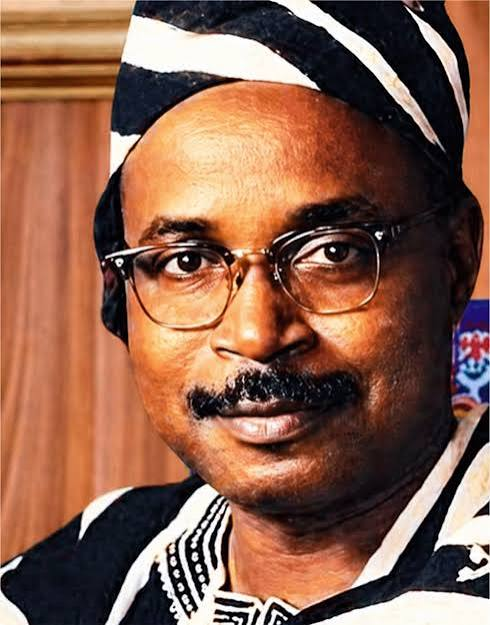
1. His Excellency,Apollos Aper Aku
2. Professor Vealumum Tarhule
3. Hon. Dr. Hinga Biem
4. Hon. Aber Terseer Benjamin(ACG Rtd)
5. Justice Maurice Ikpambese
6. Justice Cosmas A. Idye,OFR
7. Barr. Moses Atagher
8. His Excellency,Col. Aminu Isah Kontagora
9. Dr. Mrs. Eunice Ortom
10. Chief Senator Godwin Idoko Okpe
11. Professor Regina Enubi Morgan
12. Professor Amstroung Matiu Adejor (Posthumous)
13. Dr. Edwin Idoko Obbe
14. Captain Austine Peter Uja
15. Chief Morgan Ujor Ogbole
16. Dr. Barr. Agbo Madaki
17. Barrister Obande Jacob Ajene
18. Professor (Chief) John Enyi
19. Hon. Dan Onjeh
20. Hon. Nick Eworo
21. Hon Mike Oglegba
22. Hon. Ralph Igbago
23. Hon. Mrs. Patricia Kupchi
24. His Excellency,Col Attahiru Makka
25. Professor Timothy Ornguga
26. His Excellency,Col. Idris Garba
27. Barr. Vincent Uji
28. Bishop Pinot Ogbaji
29. Col. Edwin Jando
30. Dr. Chris Dura Aondo
31. His Excellency,Col. Yohanna John A Madaki
32. Dr. Christopher Obute
33. Dr. Eugene Ivase
34. Hon. Nelson Alapa
35. Hon. Julius Atorough
36. Chief Jime Akaaka
37. Hon. Mathias Byuan
38. Mr. Michael Iordye
39. Chief Mike Mamman Osman, SAN
40. Hon .Berger Alfred
41. Rt. Hon. Emmanuel Jime
42. Hon. James Dwem
43. Hon. Gbege Pine
44. Hon. Simon Bai (Posthumous)
45. His Excellency,Group Captain Adebayo Lawal
46. Professor Joseph Alakali
47. Dr. Peter Chieshe
48. Professor Gabriel Moti
49. Rev. Fr. Prof. Moses Orhungur
50. Prof. Richard Kimbir
51. Professor Tor Iorapuu
52. Professor Vershima Uza
53. Dr. Steven Tsav
54. Deacon Mrs. Serumun Deborah Aber,Esq
55. Hon. Simon Shango
56. Dr. Chichii Ashwe
57. Hon. Raphael Yenge
58. Hon. Bem Mngutyo
59. His Excellency,Col. Abdullahi Shelleng
60. Dr. John Chen
61. Chief Joseph Nyam
62. Chief John Oche Agbo
63. Rt. Hon. Cletus Upaa
64. CP Iorber Ihagh(Rtd)
65. Dr. Mrs. Margaret Ogah
66. Dr. Dennis Akura
67. Dr. Dominic Akaahan
68. Dr. Abraham N. Ikparen
69. Dr. Tornger Tor- Anyiin
70. Dr. Yandev Pevkyaa
71. Dr. David Amara
72. Dr. Joseph Yashi
73. Dr. Paul Angya
74. Engr. Tivfa Abraham Wombo
75. Engr. Joseph Zendesha
76. Hon. Godwin Edo
77. Engr. Olokpo
78. Engr. Bill Anakaa
79. Engr. Cephas Suswam
80. Mrs. Esther Tule
81. Rev. Fr. Professor Francis Wegh
82. Chief Denen Tofi Anyia
83. Hon. Elias Torseer Yina
84. Hon. Chief Yandev Amaa Bai
85. Hon. Chief Mike Mku
86. Professor Bem Angwe
87. Elder Begha Nyamkyume
88. Chief Silas Mc Ikpah
89. Rev. Fr. Linus Huabo
90. Hon. Godwin Donko
91. Comrade Alexander Fanafa
92. Hon. Jonathan Agbidye
93. Hon. James Anbua
94. Hon. Mrs. Juliana Obeta
95. Hon. Joseph Ojobo
96. Hon. Abraham Atotse
97. Hon. Benjamin Mnzondo
98. Hon. John Tondu
99. Hon. Sylvestor Atachin
100. Hon. Kpam Jimin Sokpo
101. Hon. Mike Adyo
102. Hon. Avine Agbum
103. Hon. Dr. Sebastian Agbinda
104. Hon. Justice Aondover Kakaan(Rtd)
105. Dr. James Shindi
106. Mr. John Akaatenger
107. Hon. Jonathan Igyuse
108. Justice Adam Onum
109. Hon. Kwaghgba Amande
110. Dr. Laha Dzever
111. High Chief Moses Ayom
112. Major General Adoba
113. Dr. Jimmy Terhemen Ajim
114. Professor Iowase Ahile
115. Engr. Dondo Ahile
116. Hon. Engr. Livinus Tsar
117. Hon. Solomon Iorpev
118. Hon. Philip Achua
119. Chief Theophilus Azaagee
120. HRH Afatyo Ajoko
121. Professor Jerome Andohol
122. Professor Akase Sorkaa
123. Professor Msugh Kembe
124. Dr. Emmanuel Chenge
125. Chief SJI Akure
126. Hon. Sesoo Ikpagher
127. Hon. Iorwase Hembe
128. His Excellency,Rev. Fr. Moses Orshio Adasu(Posthumous)
129. Hon. Chief Isaac Shaaku
130. Arc. Terver Gemade
131. Her Excellency Mrs. T.A Ben-Sor
132. Hon. Simon Gabo
133. Arc. Timothy Abah
134. Hon. Saator Tiseer
135. Dr. Raymond Asemakaha
136. Prof. Simon Kpelai
137. Hon. Alex Addingi
138. Hon. Dr. Justine Shaku
139. Mr. Gabriel Tighil
140. Hon. Terngu Shawon
141. Barr. Omale Omale
142. Mr. Terwase Swande
143. Professor Kucha
144. HRH Josephus Nyiyongo Achiaku
145. Hon. Frank Usaa Adi
146. Prof. Ode Ibn Iyanga
147. Hon. Sam Yuwa
148. Professor Ubwa
149. Emmanuel Osuwa
150. HRH Chief Vincent Iorhem Aule
151.HRH Chief Mfave Anagende
152. Rev. Fr. Prof. Ajiki Pius
153. Rt. Hon. Ochai Onazi
154. Dr. James Jukwe
155. Hon. Albertson Ankwa Amo
156. Prince Andy uwouku
157. Hon. Dr. Benjamin Ashaver
158. Hon. Bem Tseen
159. Commodore Jacob Ayange Akaa Gbamwuan(Rtd)
160.Hon. Andrew Ayande
161. Mr. Gbaden Jam
162. Hon. Eng. Tachia Jooji
163. Hon. Emmanuel Tor Yaji
164. Arc. Joe Kyaagba
165. General Stephen Gbehe Ikya
166. HRH Arc. Clement Uganden
167. Mr. Ronald Mnyim
168. Mr. Doki Chi
169. Late Chief Alexander Nyor Gaadi
170. Hon. Stephen Numbeve
171. Hon. Alhaji Abubakar Aseer Ihyongo
172. Hon. Mrs. Dorathy Mato
173. Late Pa Jerome Tilley – Gyado
174. Senator Dr. Chief Jack Tilley – Gyado OFR, CON
175. Dr. Timothy Aikyor
176. Dr. Grace Adagba
177. HRH Agabaidu Ogiri Oko
178. Hon.Titus Zam
179. Dr. Henry Ojobo
180. HRH Agabaidu Abraham Ajene Okpabi
181. Hon. Dickson Tarkighir
182. Rev. Fr. Michael Melladu
183. Hon Dennis Iyaighgba
184. Mr. Joel Shima Mtsor
185. Agabaidu Elias Ikoyi Obekpa
186. Hon. Joseph Kwaghgba
187. Barr. John Agbo Madaki
188. Prof Uhaa Agber
189. Professor Timothy Terseer Alabar
190. HRH Agabaidu Elaigwu Odogbo John
191. Dr. Terna Francis
192. Hon. Tyodoo Nyitar
193 Justice Bokon Utsaha( Rtd)
194. Prof. Bihiana D. Igbabul
195. Barr. Richard Terlumun Tombuwua
196. Mr. Elvis Attah
197. HRH George Ede
198. Hon. Jam Gbaden
199. HRH Orchivirigh Dr. James Akpera Orshi
200. HRH Akaahar Adi (Posthumous)
201. HRH Gabriel Indyer Akume
202. Hon. Elias Audu
203. Hon. Terngu Tsegba
204. Hon. Silas Odeh
205. Hon. Jonathan Modi
206. Hon. Adzu Terkimbir Timothy
207. Hon. Dennis Terkura Guda
208. Senator Yisa Orker Jev
209. Major General Utsaha
210. Senator Fred Orti Bende
211. Professor David Ker
212. Barrister Mike Gusa
213. Engr. Basil Jev
214. Hon. Mike Kusa
215. HRH Orchivirigh Makir Zakpe
216. Late Chief Akume Atongo
217.HRH Orchivirigh Gondo Aluor
218. Mr. Douglas Pepe, SAN
219. Hon Godwin Obla, SAN
220. HRH Orchivirigh Dr. James Akperan Orshi
221. Mr. John Uloko
222. Hon Terseer Ugbor
223. Hon. Philip Agbese
224. Hon. David Adulugba
225. Orchivirigh HRH Dr. Alfred Akawe Torkula
226. Hon. Sylvester Ameh
227. Hon. Dr. Dickson Ako
228. Hon. Mike Gbe
229. Professor Samson Sambe
230. Hon. Aondona Dajoh
231. Hon. Moses Detso
232. Chief John Akpereshi
233. Engr. Mary Charles Avur
234. Hon. Ajunwa Ameh Sunday
235. Hon. Adole James Gabriel
236. Hon. Jackson Adah Ominyi
237. Hon. Adah Matthew Inalegwu
238. Prince Maxwell Ogiri Ogiri
239. Hon. Raphael Aondoseer Yenge
240. Chief Dr. Terhumun Akputu
241. Mr. Jonathan Ichaver
242. Mr. Martin Dent
243. Rev. Fr. Angus Frazer
244. ACP Simon Asamber Lough, SAN
245. Professor Erastus Gyangyan
246. Professor Steve Torkuma Ugbah
247. Chief Ignatius Nomhwange
248. Hon. Barrister Wayo
249. Arc. Philip Zegetar Iortyer
250. Gen. Solomon Terlumun Er
251. Mr. Frank Aul
252. ACG Emmanuel Gbuuga
253. Samson Akiga
254. Hon. Chief Padopads Awunah
255. Rt. Hon. Teryila Emmanuel Ayua
256. Arch Felix Terver Gbem
257. Engr Abraham Atotse
258. Chief Mrs. Helen Padopads Awunah
259. Gen. Dan Hinga
260. Gen. Raymond Utsaha
261. HRH Chief Aondoana Adaga
262. HRH John Anteyi
263. HRH Chief Dennis Shamberga
264. HRH Chief Simon Gbakaan Tativ
265. Chief Mike Mnsuaan
266. Terfa Yisa
267. HRH Chief Thomas Tule Jam Gbinde( Posthumous)
268. Christopher Ashiekaa
269. Engr. Sunday Oche Oche
270.HRH Arc. Orkar Kaave
271. Barr. Gabriel Iorsase
272. Mr. Michael Korinya
273. Arch Aker Vishigh
274. Prof. Simeone Asom
275. Hon. Melvin James Ejeh
276. Professor Gabriel Akpen
277. Chief Atsue Ishu
278. Mr. Bamun Veror
279. HRH Chief Jimmy Meeme
280. Daniel Yua
281. HRH Chief Dr. Samuel Onu
282. Richard Shaahu
283. HRH Eng. Tavershima Timothy Ahile
284. Prof Godwin Jombo
285. Mr. Ismael Agan
286. Major General Malu (Rtd)
287. Comr. Adam Ochega Ogwola
288.Hon Berger Alfred
289. Hon. Timothy Nyiakura Adi
290. Hon. Victor Torsar Ormin
291. Hon. Justine Shaku
292. Hon. Moses Terfa Chikyaa
293. Dr. James Aondoakaa Iorpuu
294. HRH Chief Joseph Och’Ikor Onazi
295. Hon. Joseph Apev Keffi
296. Professor Akosu Adeyongo
297. HRH Chief Dr. Samuel Awulu Onuh
298. Professor Eng. Emmanuel Iornumbe Kucha
299. Professor Simon Terver Ubwa
300. Rt. Hon. David Iorhemba
301 Hon. Christy Adokwu
302. Mrs. Josephine Kpadoo Habba
303.Ambassador Godwin Kave
304. Oklobia Anthony Ogiri
305. Chief Ason Bur(Posthumous)
306. Eng. Iorlumun Benjamin Akaaka
307. Dr. Steven Andzenge
308. Eng. Solomon Nyagba
309. Hon. Pharmacist Thomas Dugeri
310. Hon. Robert Aondona Tyough
311. James Jukwey
312. Dr. Pius Yakubu Ochefu
313. Dr. Ame Idoko
314. Dr. Vincent Gisaor Iorja
315. Professor Aondover Tarhule
316. John Shiekuma Ajikwa
317. Dr. Godwin Adejo
318. Prof. Audu Onyemocho
319. Barr. Joshua Muss (SAN)
320. Rt. Hon. Dan Ale
321. Chief EA Amali
322. Rt. Hon. Abu Umoru l
323. Chief Baba Odangla
324. Major General Bob Adoba
325. Chief Joy Agi
326. Stephen Ehoda Ahoda Adi
327. Arch. Bishop Yusuf Joshua Ngbede
328. AIG Tony Olofu (Rtd)
329. Dr. Simon Omachoko
330 AIG Alonyenu F. Idu
331. Hon. Aondohemba Mathew Damkor
332. Dr. Sunday Eje Edo
333. Mrs. Victoria Mbakaan Tsendzugul(Posthumous)
334. Rt. Hon. Tyoapine Cheme
335. Mrs Rhoda Ako(Posthumous)
336. Hon. Atim Atedze
337. Major Gen. J G K Myam
338. Maj Gen John Malu
339. HRH Abu King Shuluwa
340. HRH David Sev Av
342. Hon. Julius Ayua Num
343. Dr. Joseph Torngee Malu
Benue State, located in the North Central region of Nigeria, has produced numerous prominent individuals whose contributions have influenced the country’s political development, public administration, education, agriculture, business, religion, entertainment, sports and cultural life. These individuals have helped shape the identity of the state and have represented its people in various national and international institutions.
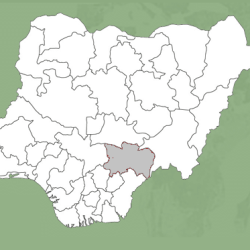
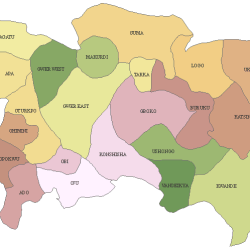
Often described as the Food Basket of the Nation, Benue is known for its fertile agricultural land, rich cultural traditions and diverse communities. Its major ethnic groups include the Tiv, Idoma and Igede, alongside other communities that contribute to the state’s social and cultural diversity. Established in 1976, the state has its capital in Makurdi and comprises 23 local government areas. These geographical, cultural and historical characteristics provide important context for understanding the achievements of people associated with Benue. Source: Benue State Bureau for Arts, Culture and Tourism.
The list of prominent persons from Benue State includes people who have occupied important political offices, established businesses, advanced education, led religious organisations, participated in professional sports and contributed to the arts. Their achievements differ considerably, ranging from the administration of government institutions to the development of agricultural enterprises, the promotion of Nigerian music and the preservation of traditional institutions.
Understanding their backgrounds and contributions provides a broader picture of the role Benue indigenes have played in Nigeria’s development.
Political Leaders and Their Contributions to Governance
Politics and public administration constitute one of the most visible areas in which individuals from Benue State have made significant contributions. Several politicians from the state have served as governors, senators, ministers, members of the House of Representatives, political party leaders and senior government officials.
Their careers have influenced the administration of Benue State and contributed to national political debates, legislative activities and the management of public institutions.
Aper Aku: A Pioneer of Civilian Administration in Benue State
Aper Aku occupies an important place in the political history of Benue State as its first democratically elected civilian governor. He assumed office on October 1, 1979, during Nigeria’s Second Republic and served until December 1983, when the military took power.
His administration is associated with efforts to establish industrial and agricultural processing facilities, expand educational opportunities and improve infrastructure. Among the projects associated with his government were Benue Brewery Limited, Taraku Oil Mills and other industrial and commercial initiatives intended to increase local production and employment.
Aku’s administration reflected an important development strategy: using the state’s agricultural resources as a foundation for industrial growth. Benue’s production of crops such as yams, cassava, rice, maize and soybeans offered opportunities for processing agricultural produce into marketable goods.
His legacy remains relevant to discussions about agricultural industrialisation, state-led development and the relationship between public investment and economic growth. The Benue State government’s official historical record identifies his administration as an important period in the state’s early civilian political development.
George Akume: State and Federal Public Service
George Akume is among the most recognisable political figures associated with Benue State. He served as governor from 1999 to 2007, representing the state during the early years of Nigeria’s Fourth Republic.
After completing his governorship, Akume entered the Senate, where he represented Benue North-West. His political career subsequently extended into federal executive administration, including service as Minister of Special Duties and Intergovernmental Affairs and Secretary to the Government of the Federation.
These positions placed him within several levels of Nigeria’s political system, from state government to the National Assembly and the federal executive.
His career illustrates how political figures from Benue have participated in national policymaking and government coordination. The Secretary to the Government of the Federation is a senior administrative position concerned with coordinating government business and supporting the implementation of executive decisions.
David Mark: Legislative Leadership and National Politics
David Mark, associated with Otukpo in Benue State, is another prominent Nigerian political figure. A former military officer, he served in the Senate for many years and became President of the Nigerian Senate in 2007, retaining the position until 2015.
The Senate presidency is one of the most influential offices in Nigeria’s legislative system. Its responsibilities include presiding over Senate proceedings, coordinating legislative business and representing the chamber in official engagements.
Mark’s long career in the National Assembly made him an important participant in legislative debates and national political negotiations. His tenure as Senate President coincided with a period of significant political activity, including debates about constitutional reform, electoral administration and relations between the legislature and executive.
His career also demonstrates the importance of legislative representation in a federal system where states seek to influence national decisions through elected representatives.
Other Important Political Figures from Benue
Benue State has produced several other politicians whose careers have influenced state and national affairs.
Gabriel Suswam served as governor from 2007 to 2015 and subsequently represented Benue North-East in the Senate. His career connected state executive administration with federal legislative service.
Samuel Ortom served as governor from 2015 to 2023. His administration dealt with agricultural development, public finance, infrastructure and security challenges affecting communities in Benue.
Barnabas Gemade has held important political positions, including leadership roles within the Peoples Democratic Party, and served as a senator representing Benue interests.
Iyorchia Ayu, a former Senate President and former national chairman of the Peoples Democratic Party, also belongs to the group of political figures from the state whose influence extended beyond their immediate constituencies.
These individuals represent different political periods and experiences. Their careers demonstrate that Benue’s political influence has not been confined to the governorship; it has also extended into national party organisation, legislative leadership and federal governance.
The state’s political history includes other important figures, such as Joseph Tarka, who became known for his political activism and advocacy for the interests of minority communities. Such contributions form part of the wider history of political representation in Nigeria’s Middle Belt.
Traditional Rulers and the Preservation of Cultural Heritage
Traditional institutions remain important in many Nigerian communities. They help preserve cultural practices, maintain historical continuity, mediate certain community disputes and represent the identity of their people.
In Benue State, traditional rulers occupy an important position in the cultural life of Tiv, Idoma and other communities.
The Tor Tiv and Tiv Cultural Leadership
The Tor Tiv is the paramount traditional ruler of the Tiv people. The institution has an important cultural and historical role, representing Tiv identity and providing a recognised traditional leadership structure.
Professor James Ortese Iorzua Ayatse, who became the fifth Tor Tiv, is a prominent figure in this institution. Before his emergence as a traditional ruler, he had an academic career in biochemistry and served as a university vice-chancellor.
His background illustrates the relationship between modern professional achievement and traditional leadership in contemporary Nigeria. Traditional rulers increasingly draw on experience in education, public administration and other professional fields while performing cultural and community responsibilities.
The Tor Tiv institution is associated with the preservation of Tiv customs, the promotion of cultural unity and engagement with issues affecting Tiv communities.
Traditional leadership in Benue is not limited to the Tiv people. Other ethnic groups also have their own traditional institutions, rulers and community leadership structures. These institutions contribute to the state’s cultural diversity and help preserve distinct historical identities.
Education, Research and Intellectual Development
Education has provided another important avenue through which individuals from Benue State have influenced Nigerian society. Academics, university administrators, researchers, teachers and education policymakers have contributed to the development of institutions responsible for training professionals and producing knowledge.
Their work is particularly important in a state where agriculture, healthcare, public administration and technological development require a skilled workforce.
Academic Leadership and University Administration
University administrators from Benue have participated in the management of higher education institutions and the expansion of tertiary education in Nigeria.
Professor James Ortese Ayatse, for example, held senior academic positions before becoming Tor Tiv. His experience in university administration demonstrates how academic expertise can contribute to institutional leadership outside the university environment.
Professor Tor Joe Iorapuu is another academic associated with Benue State. A theatre scholar, he served as vice-chancellor of Benue State University in Makurdi from 2020 until the end of his tenure in 2025.
University leadership involves more than overseeing lectures and examinations. Vice-chancellors are responsible for institutional administration, academic standards, research development, staff management and the implementation of university policies.
The work of academics and university administrators contributes to the development of graduates who subsequently enter government, business, healthcare, education and other professional sectors.
The Importance of Benue’s Higher Education Institutions
Benue is home to several tertiary institutions, including Benue State University in Makurdi, Joseph Sarwuan Tarka University in Makurdi, Benue State Polytechnic in Ugbokolo and other institutions serving different educational needs.
These institutions provide opportunities for professional training and research in fields such as agriculture, science, education, engineering, medicine, law, business and the humanities.
The development of higher education in the state also creates an environment in which future prominent individuals can emerge. Students trained in Benue may go on to become researchers, entrepreneurs, public officials, writers, medical professionals and leaders in other sectors.
Prominent academics should therefore be understood not only through their individual qualifications or appointments but also through their contributions to teaching, research, institutional development and the training of subsequent generations.
Business, Entrepreneurship and Economic Development
Entrepreneurs and business leaders from Benue State have contributed to Nigeria’s economy through commercial activities, investments, professional services and employment creation.
Their activities are particularly relevant to the state’s agricultural economy, where opportunities exist for food processing, storage, transport, distribution, manufacturing and agricultural technology.
The Role of Entrepreneurs in Economic Growth
Businesspeople associated with Benue operate in different sectors, including finance, real estate, hospitality, trade and investment. Some have developed businesses within Nigeria, while others have participated in commercial activities extending beyond the state.
Terry Waya is a businessman associated with Benue whose public profile has included investments and business interests in areas such as real estate and hospitality.
Roberts Orya, a banker and business executive associated with Benue State, served as managing director and chief executive officer of the Nigerian Export-Import Bank from 2009 to 2016. His professional career illustrates the relationship between financial services, export development and national economic policy.
The Nigerian Export-Import Bank supports activities connected with non-oil exports and international trade. Institutions of this kind can help businesses access financing and develop the capacity to reach markets outside Nigeria.
Business leaders contribute to economic development in several ways. They may create jobs, introduce new products, improve distribution networks, attract investment and develop services required by other businesses.
However, prominence in business should be distinguished from the size of a person’s publicly reported wealth. Reliable assessment of an entrepreneur’s contribution is better based on documented professional roles, business activities, employment, investment and other verifiable achievements.
Benue’s Agricultural Economy and Business Opportunities
Benue’s reputation as Nigeria’s Food Basket is closely connected to its agricultural production. The state’s farms supply crops that support household consumption, commercial trade and food processing.
Agriculture creates opportunities for entrepreneurs in several related fields:
Food processing: Converting crops into packaged and processed food products.
Storage and preservation: Reducing post-harvest losses through improved storage facilities and technologies.
Transportation and distribution: Moving agricultural produce from farming communities to markets and processing centres.
Agricultural inputs: Supplying seeds, fertilisers, equipment and other materials needed by farmers.
Finance and insurance: Providing financial services that help farmers and agricultural businesses manage production risks.
Export development: Supporting businesses that can meet the quality and logistical requirements of external markets.
Entrepreneurs who invest in these areas can help connect farmers to larger markets while contributing to employment and economic diversification.
The achievements of prominent businesspeople from Benue can therefore be considered within the wider context of the state’s economic resources and its potential for agricultural industrialisation.
Religion and Religious Leadership
Religious leaders constitute another important category of prominent individuals from Benue State. Their influence may extend through churches, charitable organisations, educational institutions, healthcare initiatives and other forms of community engagement.
Nigeria has a large and diverse religious landscape, and religious organisations often provide services beyond worship, including humanitarian assistance, education, counselling and community development.
Paul Enenche and Religious Ministry
Paul Enenche is a Nigerian pastor and medical doctor associated with Ogbadibo Local Government Area of Benue State. He is the founder and senior pastor of Dunamis International Gospel Centre, a Christian ministry headquartered in Abuja.
His career illustrates the connection between professional training and religious leadership. Through his ministry, Enenche has become a widely recognised figure in Nigerian Christian circles.
Dunamis International Gospel Centre conducts religious services and programmes and has established a substantial institutional presence. Its activities form part of the broader landscape of contemporary Nigerian Pentecostal Christianity.
The prominence of religious leaders is often measured through the size and reach of their organisations, public engagements, educational and charitable activities, and influence on religious communities.
As with other public figures, claims about religious leaders’ achievements should be distinguished from promotional statements. Verifiable biographical information and documented institutional activities provide a more reliable basis for understanding their public significance.
Entertainment, Music and the Creative Arts
Entertainment is an important part of Nigeria’s cultural identity, and people associated with Benue have contributed to music, acting, comedy, broadcasting and other creative fields.
These contributions help introduce audiences to different artistic traditions, create employment and strengthen the visibility of Nigerian culture.
Music and the Expression of Cultural Identity
Benue’s musical landscape includes traditional music, contemporary Nigerian popular music and gospel music. Artists from the state have used different musical styles to express personal experiences, religious beliefs, cultural identity and social themes.
Bongos Ikwue is one of the established musicians associated with Benue. Known for his distinctive musical style and songwriting, he occupies a place in the history of Nigerian popular music.
Chris Morgan, a gospel singer and worship leader associated with Ogbadibo Local Government Area, is another musician linked to the state. His work forms part of Nigeria’s contemporary gospel music scene.
Peterson Okopi, also associated with Otukpo and the Idoma area, has gained recognition through contemporary gospel music. His songs and performances have contributed to the visibility of gospel artists connected with Benue.
Other musicians and performers from the state have developed audiences through recordings, live performances, religious events, digital platforms and collaborations with other artists.
Music can also serve as a means of cultural preservation. Artists who incorporate local languages, traditional rhythms, stories and cultural references into their work help make these elements accessible to younger audiences and listeners outside their communities.
Acting, Comedy and Broadcasting
The entertainment sector includes more than musicians. Actors, comedians, presenters, writers and broadcasters have also contributed to Nigeria’s media industry.
Their work reaches audiences through television, radio, film, online video and social media. In doing so, they help shape public conversations, provide entertainment and create opportunities for creative employment.
For individuals associated with Benue, success in these industries can bring wider attention to the state’s languages, traditions, communities and cultural expressions.
However, a person’s connection to Benue may arise from birth, family origin, upbringing or professional activity. These categories are not identical and should be distinguished when documenting biographies.
Sports and Athletic Achievement
Sports provide another avenue through which Nigerians from Benue State have gained recognition. Athletes from the state have participated in football and other competitive disciplines, representing clubs, institutions and national teams.
Sporting achievements can increase public awareness of a person’s home state while creating opportunities for professional development, international competition and youth participation.
Football and the Development of Talent
Football is among Nigeria’s most popular sports, and players with connections to Benue have participated in the country’s domestic and international football systems.
Daniel Amokachi, popularly known as The Bull, is a notable Nigerian footballer associated with Benue. He represented Nigeria at major international competitions and was part of the national team that won the African Cup of Nations in 1994. He also played a role in Nigeria’s gold-medal-winning football campaign at the 1996 Olympic Games in Atlanta.
Amokachi’s career illustrates how sporting talent developed in Nigeria can reach international audiences through professional clubs and national-team competition.
The development of athletes depends on several factors, including access to training facilities, coaching, youth competitions, nutrition, medical support and opportunities to compete.
For Benue, investment in grassroots sport can help identify promising athletes and provide structured pathways into professional competition.
Prominent athletes also serve as role models for young people, demonstrating the importance of discipline, teamwork, persistence and professional preparation.
Agriculture and Food Production
Agriculture deserves particular attention when discussing prominent people from Benue State because it is central to the state’s identity and economy.
Although the most publicly recognised individuals may include politicians, religious leaders, musicians and business executives, farmers, agricultural researchers, cooperative leaders and food-processing entrepreneurs also make important contributions.
Benue’s agricultural output supports local livelihoods and contributes to food supply beyond the state.
Agricultural Development and Industrialisation
The relationship between agriculture and economic development has been a recurring theme in Benue’s history. Political administrations, entrepreneurs and agricultural professionals have sought different ways to increase production, improve processing and expand market access.
Aper Aku’s development initiatives are associated with efforts to connect agricultural production with industrial activity. The broader principle remains relevant: producing crops is only one part of a successful agricultural economy.
Farmers also need access to markets, reliable transport, storage, processing facilities, affordable inputs and financing. Without these supporting systems, agricultural produce may lose value before reaching consumers.
Individuals who develop practical solutions to these challenges can make significant contributions to the state’s economic development, even if they do not enjoy the same national visibility as elected politicians or entertainment personalities.
Agricultural researchers also play a role by developing improved production methods, studying soil conditions, controlling crop diseases and supporting more efficient farming systems.
Recognising these contributions provides a fuller understanding of the people who help sustain Benue’s agricultural reputation.
Law, Public Administration and the Civil Service
The legal profession and public service have produced other prominent individuals connected with Benue State. Lawyers, judges, senior civil servants and administrators help maintain institutions, interpret laws, deliver public services and implement government policies.
Their work may attract less public attention than electoral politics, but it is essential to the functioning of government and the justice system.
Legal Professionals and Institutional Development
Legal practitioners from Benue have served in private practice, government departments, courts and regulatory institutions. Their professional responsibilities may include representing clients, interpreting legislation, advising public agencies, resolving disputes and contributing to legal reform.
Senior public administrators also influence how government policies are translated into practical programmes. They manage departments, coordinate public expenditure, supervise staff and support the delivery of services.
The contribution of such professionals is often best assessed through their documented appointments, judicial decisions, legal scholarship, administrative achievements and institutional responsibilities.
The presence of prominent legal and administrative professionals from Benue reflects the state’s participation in Nigeria’s wider system of public institutions.
Women from Benue and Their Contributions to Society
Women have contributed to Benue’s development through education, politics, business, healthcare, agriculture, religious leadership and community service.
Their achievements deserve recognition alongside those of men, particularly because women’s participation in public life has often developed within social and institutional environments that presented additional barriers to professional advancement.
Women from the state have served as teachers, medical professionals, civil servants, entrepreneurs, political representatives and leaders of community organisations.
Their work contributes to household welfare, economic activity, public administration and the education of younger generations.
Female professionals in healthcare, for example, help deliver essential medical services, while women entrepreneurs support trade, food production and employment. Women in education contribute to literacy, skills development and the preparation of future professionals.
Women who enter politics or senior public administration can also influence public policy and broaden representation in decision-making institutions.
A comprehensive account of prominent persons from Benue should therefore include women whose achievements are supported by reliable biographical and professional records. Their inclusion helps ensure that the state’s history is not presented solely through the careers of its most visible male political figures.
Ethnic Diversity and the Geographic Origins of Prominent People
Benue State’s prominent individuals come from different communities and local government areas. Understanding these backgrounds is important because the state’s history is closely connected to the identities, traditions and experiences of its various peoples.
The Tiv, Idoma and Igede are among the major ethnic groups associated with Benue, and each has its own languages, cultural practices and historical traditions.
Tiv communities are found across several parts of the state, including areas around Gboko, Vandeikya, Gwer, Guma and other local government areas. Idoma communities are strongly associated with the southern part of the state, including Otukpo, Okpokwu, Ogbadibo, Ado and related areas. Igede communities are particularly associated with Oju and Obi.
These geographic associations help explain the diverse backgrounds of people included in lists of prominent Benue indigenes.
For example, David Mark is associated with Otukpo, while Paul Enenche is associated with Ogbadibo. Several important Tiv political figures have connections to communities in the central and eastern parts of the state.
However, ethnic origin, birthplace, place of upbringing and political constituency should not be treated as interchangeable. A person may be born outside Benue but have family origins in the state, or may live and work in Benue without being an indigene.
Accurate biographical writing should identify the nature of each person’s connection to the state whenever reliable information is available.
How Prominent Individuals Influence Benue State’s Development
The influence of prominent people can be understood through several interconnected areas.
Governance and Public Institutions
Political leaders and public administrators can influence the allocation of public resources, the construction of infrastructure, the provision of social services and the development of state institutions.
Their decisions may have long-term consequences for education, healthcare, agriculture, employment and public finance.
Economic Growth and Employment
Entrepreneurs and business executives contribute through investment, business creation, employment and the provision of goods and services.
In an agriculturally oriented state such as Benue, businesses that connect farming with processing, transportation, storage and distribution can help increase the value of local production.
Education and Professional Development
Teachers, researchers, university administrators and other professionals contribute by training students, developing knowledge and strengthening institutions.
Their influence extends beyond their immediate workplaces because the people they educate may subsequently become professionals, business owners, public officials and community leaders.
Culture and Public Identity
Musicians, writers, actors, traditional rulers and cultural advocates help preserve and communicate the state’s cultural heritage.
Their work can introduce Benue’s languages, music, stories and traditions to national and international audiences.
Religion and Community Support
Religious leaders and charitable organisations may support education, healthcare, humanitarian assistance and community engagement.
The scale and effectiveness of these contributions vary by institution and should be assessed using documented activities rather than reputation alone.
Sports and Youth Inspiration
Athletes and sports administrators can inspire young people, encourage physical activity and help develop pathways into professional competition.
Successful sporting careers also demonstrate how local talent can participate in national and international institutions.
The Importance of Documenting Benue’s Prominent People
Recording the lives and achievements of prominent people is important for historical, educational and cultural reasons.
First, biographies preserve information about individuals who have influenced the state’s development. Without systematic documentation, important achievements and historical experiences may become difficult to verify or may be lost over time.
Second, biographical records provide educational material for students, researchers, journalists and members of the public interested in Benue’s history.
Third, documenting achievements across different professions helps provide a balanced picture of the state. Political leaders are often more visible in public records, but the contributions of teachers, farmers, healthcare workers, researchers, artists and entrepreneurs are equally relevant to understanding social development.
Finally, reliable biographies can help younger generations learn about people from their communities who have made meaningful contributions to society.
Such records should distinguish between historical facts, personal achievements, public reputation and claims that have not been independently verified.
Dates of birth, educational qualifications, official appointments, professional achievements and family or community origins should be checked against reliable sources wherever possible.
Lists of prominent people should also be updated when new individuals achieve significant recognition or when additional historical information becomes available.
Aper Aku
Prominent people from Benue State represent a wide range of achievements in politics, traditional leadership, education, business, religion, entertainment, sports, law and public administration.
Figures such as Aper Aku, George Akume, David Mark, Gabriel Suswam, Samuel Ortom, James Ortese Ayatse, Paul Enenche, Bongos Ikwue and Daniel Amokachi illustrate the different ways individuals associated with the state have contributed to Nigerian public life.
Their careers reflect different periods, professional environments and forms of influence. Some have helped shape government institutions, others have advanced education or religious organisations, while musicians and athletes have represented Nigerian culture and talent to wider audiences.
The achievements of these prominent individuals form part of the broader history of Benue State. They also demonstrate that the development of a state depends on contributions from many fields rather than a single profession or category of public figures.
As Benue continues to develop, documenting the lives and work of its prominent people remains an important way to preserve its history, recognise professional achievement and understand the state’s contribution to Nigeria’s political, economic and cultural development.
Prominent places in Benue State Well known places in Benue State include: Ikyogen Hills, Kwande Government House, Makurdi JS Tarka Foundation, Makurdi Ushongo Hills in…
Idoma People of Benue State, Nigeria The Idoma people are the second-largest ethnic group in Benue State, Nigeria. They primarily inhabit seven local government areas in…
Prominent places in Imo State Popular places of tourist attraction in Imo State, Nigeria Oguta Lake and Golf Resort Located about 40km away from Owerri,…
List of prominent Anambra persons Prominent Anambra people are: H/E, Dr. Chuwkuemeka Ezeife H/E, Dr. Chinwoke Mbadinuju Dr. Kingsley Muoghalu Mr. Osita Chidoka Prof. Chukwuma…
List of Local Government Areas in Benue State and their headquarters Local Government Areas in Benue State and their headquarters, administrative capitals LGAHeadquartersApaUgbokpoAgatuObagajiAdoIgumaleBurukuBurukuGbokoGbokoGwer EastAliadeGumaGbajimbaGwer WestNakaKatsina-AlaKatsina-AlaKonshishaTse-AgberagbaKwandeAdikpoLogoUgbaMakurdiMarkurdiObiObarike ItoOgbadiboOtukpa TownOhiminiIdekpa-OkpikoOjuOjuOkpokwuOkpogaOturkpoOturpkoTarkaWannuneUkumZaki BiamUshongoLesselVandeikyaVandeikya Map of Benue…