Papua New Guinea List of Local Level Government (LLG) Areas
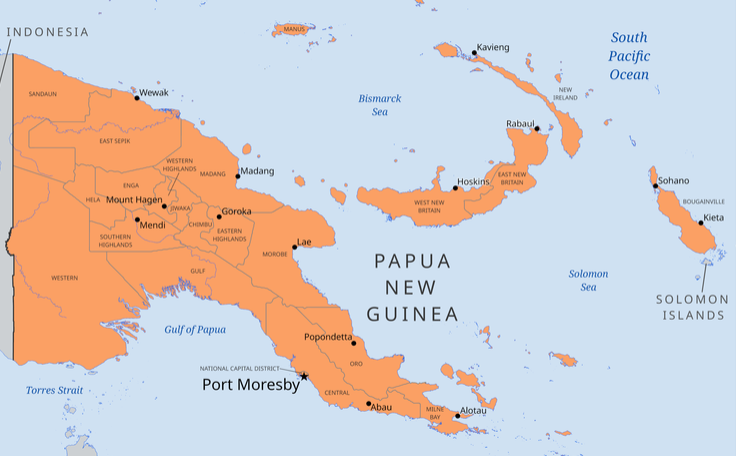
Papua New Guinea (PNG) has a diverse administrative structure designed to support local governance, public services and community development across its mainland, islands and autonomous region. One of the most important parts of this structure is the Local-Level Government (LLG).
LLGs are the local government areas below the district level. They help organize community administration and the delivery of services such as local infrastructure, sanitation, markets, community facilities and development programs.
Numbered List of Local-Level Government (LLG) Areas in Papua New Guinea
1. Central Province
Amazon Bay Rural
Aroma Rural
Cloudy Bay Rural
Rigo Central Rural
Rigo Coastal Rural
Rigo Inland Rural
Guari Rural
Tapini Rural
Woitape Rural
Kairuku Rural
Mekeo Kuni Rural
Hiri Rural
Koiari Rural
Vanapa Brown Rural
2. East New Britain Province
Bitapaka Rural
Duke of York Rural
Kokopo-Vunamami Urban
Raluana Rural
Balanataman Rural
Kombiu Rural
Rabaul Urban
Watom Island Rural
Central Gazelle Rural
Inland Baining Rural
Lassul Baining Rural
Livuan-Reimber Rural
Toma-Vunadidir Rural
Central-Inland Pomio Rural
East Pomio Rural
Melkoi Rural
Sinivit Rural
West Pomio-Mamusi Rural
3. Gulf Province
Central Kerema Rural
East Kerema Rural
Kaintiba Rural
Kerema Urban
Kotidanga Rural
Lakekamu-Tauri Rural
Baimuru Rural
East Kikori Rural
Ihu Rural
West Kikori Rural
4. Madang Province
Ambenob Rural
Madang Urban
Transgogol Rural
Almami Rural
Iabu Rural
Yawar Rural
Arabaka Rural
Josephstaal Rural
Simbai Rural
Astrolabe Bay Rural
Naho Rawa Rural
Nayudo Rural
Saidor Rural
Karkar Rural
Sumgilbar Rural
Bundi Rural
Usino Rural
5. Manus Province
Aua-Wuvulu Rural
Balopa Rural
Bisikani-Soparibeu Kabin Rural
Lelemadih-Bupi Chupei Rural
Lorengau Urban
Los Negros Rural
Nali Sopat-Penabu Rural
Nigoherm Rural
Pobuma Rural
Pomutu-Kurti-Andra Rural
Rapatona Rural
Tetidu Rural
6. Milne Bay Province
Alotau Urban
Daga Rural
Huhu Rural
Makamaka Rural
Maramatana Rural
Suau Rural
Weraura Rural
Goodenough Island Rural
Kiriwina Rural
Bwanabwana Rural
Louisade Rural
Murua Rural
Yalevamba Rural
Dobu Rural
Duau Rural
West Ferguson
7. New Ireland Province
Kavieng Urban
Lavongai Rural
Murat Rural
Tikana Rural
Konoagil Rural
Namatanai Rural
Nimamar Rural
Sentral Niu Ailan Rural
Tanir Rural
8. Northern (Oro) Province
Higaturu Rural
Kira Rural
Kokoda Rural
Tamata Rural
Afore Rural
Cape Nelson Rural
Oro Bay Rural
Popondetta Urban
9. Southern Highlands Province
East Pangia Rural
Ialibu Urban
Kewabi Rural
Wiru Rural
Lake Kutubu Rural
Mount Bosavi Rural
Nembi Plateau Rural
Nipa Rural
Poroma Rural
Karints Rural
Lai Valley Rural
Mendi Urban
Upper Mendi Rural
Aialibu Basin Rural
Imbongu Rural
Lower Mendi Rural
Erave Rural
Kagua Rural
Kuare Rural
10. West New Britain Province
Bali-Witu Rural
Bialla Rural
Kimbe Urban
Talasea Rural
Gasmata Rural
Gloucester Rural
Kandrian Coastal Rural
Kandrian Inland Rural
Kove-Kaliai Rural
Hoskins Rural
Mosa Rural
Central Nakanai
11. Western Highlands Province
Muglamp Rural
Kotna Rural
Mount Giluwe Rural
Nebilyer Rural
Mount Hagen Rural
Mount Hagen Urban
Baiyer Rural
Lumusa Rural
Mul Rural
This guide explains Papua New Guinea’s administrative structure and provides a province-by-province directory of Local-Level Governments, with links to official government sources for checking the latest names and classifications.
Papua New Guinea at a glance
Administrative variable
Information
Country
Papua New Guinea
Capital
Port Moresby
Province-level divisions
22
Broad administrative regions
4
LLGs
369, according to the 2024 National Population Census
Main administrative levels
Province, district, LLG and ward
What is a Local-Level Government in Papua New Guinea?
A Local-Level Government, commonly abbreviated as LLG, is an administrative area within a district. Depending on the location, an LLG may be classified as rural or urban.
Rural LLGs generally cover villages and communities spread across larger geographical areas. Urban LLGs administer designated towns and urban centres.
The administrative hierarchy can be summarized as follows:
Papua New Guinea → Province or province-level division → District → LLG → Ward
Wards are smaller local areas within LLGs. Villages and communities may be located within wards, but the exact arrangements vary by location.
The four regions of Papua New Guinea
For administrative and geographical reference, Papua New Guinea is commonly grouped into four broad regions.
1. Southern Region
The Southern Region includes Central Province, Gulf Province, Milne Bay Province, Northern (Oro) Province, Western Province, Southern Highlands Province and the National Capital District.
Examples of LLG names found in official administrative records include:
Central Province: Amazon Bay, Aroma Coast, Cloudy Bay, Guari, Tapini, Woitape, Hiri, Koiari, Mekeo, Kuni and Rigo Central.
Gulf Province: Central Kerema Rural, East Kerema Rural, Kaintiba Rural, Kerema Urban, Kotidanga Rural, Lakekamu-Tauri Rural, Baimuru Rural, East Kikori Rural, Ihu Rural and West Kikori Rural.
Milne Bay Province: Alotau Urban, Daga Rural, Huhu Rural, Makamaka Rural, Maramatana Rural, Suau Rural, Weraura Rural, Goodenough Island Rural, Kiriwina Rural, Bwanabwana Rural, Louisade Rural, Murua Rural, Yalevamba Rural, Dobu Rural, Duau Rural and West Ferguson.
Western Province: Kiunga Rural, Kiunga Urban, Ningerum Rural, Olsobip Rural, Star Mountain Rural, Balimo Rural, Bamu Rural, Gogodala Rural, Lake Murray Rural, Nomad Rural, Daru Urban, Kiwai Rural, Morehead Rural and Oriomo-Bituri Rural.
2. Highlands Region
The Highlands Region includes Chimbu (Simbu), Eastern Highlands, Enga, Hela, Jiwaka, Southern Highlands and Western Highlands.
Examples of LLG names in the region include:
Western Highlands: Muglamp Rural, Kotna Rural, Mount Giluwe Rural, Nebilyer Rural, Mount Hagen Rural, Mount Hagen Urban, Baiyer Rural, Lumusa Rural and Mul Rural.
Jiwaka: North Waghi Rural, Nondugl Rural, Jimi Rural, Kol Rural, Anglimp Rural and South Waghi Rural.
Hela: Hayapuga Rural, Tagali Rural, Tari Urban, Tebi Rural, Hulia Rural, Komo Rural, Margarima Rural, Awi-Pori Rural, Lake Kopiago Rural, North Koroba Rural, South Koroba Rural, Lower Wage Rural and Beneria Rural.
The Momase Region consists of East Sepik, Madang, Morobe and West Sepik (Sandaun).
Examples of LLG names in the region include:
East Sepik: Wewak Urban and rural LLGs across the districts of Wewak, Angoram, Maprik and Ambunti-Dreikikir, as well as the LLGs associated with Wosera Gawi and Yangoru Saussia.
Madang: Bogia, Madang, Middle Ramu, Rai Coast, Sumkar and Usino-Bundi have their own LLG structures.
Morobe: LLGs are administered within the districts of Bulolo, Finschhafen, Huon Gulf, Kabwum, Lae, Markham, Menyamya, Nawae, Tewai-Siassi and Wau-Waria.
West Sepik: LLGs are administered within Aitape-Lumi, Nuku, Telefomin and Vanimo-Green River.
4. New Guinea Islands Region
The New Guinea Islands Region includes East New Britain, Manus, New Ireland, West New Britain and the Autonomous Region of Bougainville.
Examples of LLG names include:
East New Britain: Bitapaka Rural, Duke of York Rural, Kokopo-Vunamami Urban, Raluana Rural, Balanataman Rural, Kombiu Rural, Rabaul Urban, Watom Island Rural, Central Gazelle Rural, Inland Baining Rural, Lassul Baining Rural, Livuan-Reimber Rural, Toma-Vunadidir Rural, Central-Inland Pomio Rural, East Pomio Rural, Melkoi Rural, Sinivit Rural and West Pomio-Mamusi Rural.
Milne Bay’s island neighbours and other island provinces: the LLG structures are organized around their respective districts and island communities.
Bougainville: local government areas are organized under the autonomous region’s administrative arrangements; consult the Autonomous Bougainville Government for its current official directory.
Why are LLGs important?
LLGs are an important part of public administration because they connect government structures with local communities. Their responsibilities and practical capacity vary, but local government areas are relevant to:
Community development and local planning
Public infrastructure and local facilities
Markets and community economic activity
Local service delivery and administration
Ward-level representation and consultation
Census organization and the collection of local demographic information
How to find an LLG in a particular province
To identify a specific LLG, follow these steps:
Identify the province or province-level division.
Find the district in which the LLG is administered.
How many LLGs are there in Papua New Guinea?
The National Statistical Office’s 2024 Census reports 369 Local-Level Governments. Administrative totals can vary between publications depending on the date and the administrative classification being reported.
What is the difference between an LLG and a district?
A district is a larger administrative area containing one or more LLGs. An LLG is a lower-level administrative area that may contain multiple wards.
Are all LLGs rural?
No. Papua New Guinea has both rural and urban LLGs. Examples include Kerema Urban, Wabag Urban, Mount Hagen Urban, Rabaul Urban and Kokopo-Vunamami Urban.
Local-Level Governments are an essential part of Papua New Guinea’s administrative structure. They help organize local communities within districts and provinces and provide a framework for public administration, development planning and census reporting.
World Heritage Site in Papua New Guinea UNESCO World Heritage Site in Papua New Guinea is: Kuk Early Agricultural Site > View other UNESCO World Heritage Sites…
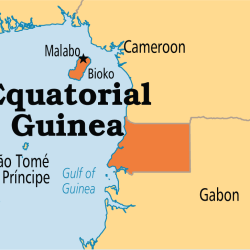
List of ethnic groups in Equatorial Guinea The ethnic groups in Equatorial Guinea are: 85.7% Fang6.5% Bubi3.6% Ndowe1.6% Annobon1.1% Bujeba1.1% other Languages in Equatorial Guinea Spanish and…
Benue’s new Local Government Chairmen Benue State Governor, Hyacinth Alia, on Monday 7 October 2024, inaugurated 23 newly elected Local Government Council Chairmen of the…