Belarus Traditional Festivals and Rites: Kupalle, Koliada (Christmas Rite), Maslenitsa (Pancake Week), Gukanne Vyasny (Calling of Spring) and others
Belarus is a land rich in culture, folklore, and age-old customs that have been passed down through generations. Traditional festivals and rites remain an important part of the national identity, drawing crowds in both bustling cities and quiet rural villages. These celebrations reflect the harmony between people and nature, honoring seasonal changes, agricultural cycles, and spiritual beliefs that have shaped Belarusian life for centuries.
From joyful summer bonfires to snowy winter carols, each festival carries its own symbolism and atmosphere. Below is an in-depth journey through the most cherished Belarusian traditions, many of which continue to thrive in modern times.
Kupalle
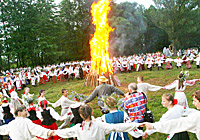
Kupalle is one of the most vibrant and magical Belarusian festivals, celebrated on the shortest night of the year. This midsummer feast is rooted in ancient pagan traditions and is filled with symbols of purification, love, and nature. People gather outdoors to jump over blazing bonfires, weave flower wreaths, and search for the mythical fern flower believed to bring luck and fortune. Singing, dancing, and swimming in rivers are also part of the joyful celebration. Today, Kupalle remains one of the most popular holidays, attracting both locals and tourists.
Koliada (Christmas Rite)
Koliada is a traditional Christmas rite that blends pagan winter rituals with Christian celebrations. Villagers dress up in costumes, visit homes, sing carols, and perform humorous skits to bring blessings for health and prosperity. The ritual symbolizes the renewal of life and light after the dark winter season. Children and adults alike participate in these lively activities, keeping the ancient spirit of Koliada alive.
Maslenitsa (Pancake Week)
Maslenitsa marks the end of winter and the beginning of spring. This cheerful festival features sleigh rides, fairs, games, and most importantly—pancakes. The round, golden pancakes symbolize the returning sun. Families gather to feast, say farewell to winter, and welcome a new season. On the final day, effigies of winter are burned, representing the triumph of warmth and light.
Gukanne Vyasny (Calling of Spring)
This spring rite is especially beloved in rural communities. Women and children sing special songs to “call” the arrival of spring, inviting warmth and fertility back to the land. They decorate trees, bake bird-shaped cookies symbolizing migrating birds, and perform dances to awaken nature. Gukanne Vyasny beautifully reflects Belarusian respect for the earth and agricultural traditions.
Saint George’s Day
Saint George’s Day is linked to pastoral traditions. Shepherds lead cattle to the fields for the first time after winter, and rituals are performed to protect the animals from harm. People believe that Saint George blesses the land, animals, and new farming season. Songs, prayers, and symbolic actions help ensure prosperity and abundance.
Zazhynki and Dazhynki Harvest Festivals
Zazhynki
Zazhynki marks the beginning of the harvest. Farmers honor the first sheaf of grain, believing it to contain the spirit of the field. The ceremony includes blessings, songs, and traditional meals.
Dazhynki
Dazhynki is the nationwide harvest festival and one of the most important modern holidays in Belarus. Held every autumn, Dazhynki honors hardworking farmers and celebrates the year’s agricultural achievements. The festival features:
folk singers and dancers
master classes in traditional crafts
exhibitions of handmade souvenirs
parades and award ceremonies
Dazhynki blends old customs with modern festivities, making it a colorful and meaningful celebration.
Rare and Unique Local Rites
Some Belarusian rites have survived only in individual villages, preserved through the dedication of local communities. They represent unique cultural treasures.
Christmas Tsars
This remarkable rite is performed only in the village of Semezhevo in the Kopyl District. Recognized by UNESCO as part of the Intangible Cultural Heritage of Humanity, it features costumed performers reenacting symbolic battles that represent the triumph of good over evil.
Pulling the Kolyada Up the Oak
In the village of Noviny, Berezino District, residents perform this unusual winter ritual. Participants symbolically “pull” Kolyada—a personified spirit of the holiday—up an oak tree, representing the renewal of life and protection of the community.
Tereshka’s Wedding
Celebrated in Anoshki village in the Lepel District, this humorous folk rite reenacts a mock wedding filled with jokes, symbolic ceremonies, and traditional songs. It’s a joyful event that strengthens community bonds.
Children’s Christmas Rite Kury
In the Klichev District, children dress in costumes and visit households during Christmas, performing songs and blessings. This playful tradition teaches children about heritage and community values.
Saint George’s Round Dance
In the village of Pogost, Zhitkovichi District, locals celebrate spring with a ritual round dance. The dance invokes protection, fertility, and success for the upcoming season.
Strelka Spring Rite
In the village of Bezdezh in the Drogichin District, residents celebrate the Strelka rite, which involves symbolic movements, chants, and community gatherings to welcome spring.
Belarusian traditional festivals and rites are more than just celebrations—they are living symbols of national identity, cultural memory, and the harmony between people and nature. Whether widely celebrated across the country or preserved only in small communities, each ritual carries deep meaning and beauty. These traditions continue to enrich Belarusian culture and attract visitors eager to experience authentic folklore.
Delta State traditional festivals The traditional festivals of Delta State are the most obvious harvests of its cultural wealth. Every community has at least…
Ikogosi Warm Spring, Ekiti Tourists to the Ekiti state thrilled with the beauties of Ikogosi where warm and cold water oozing from different sources…
Wikki Warm Spring, Bauchi Nigeria has a number of great watering holes but no watering hole in the country is as crystal clear and…
ONICHA MBAISE SPRING Onicha Mbaise spring in Ezinihitte Local Government Area is popularly called by the local populace “Isi-iyi Omukwu”. This is because…
Bolivia 37 Official Languages and Others Official Languages of Bolivia (37) (Recognized by the 2009 Constitution) Spanish (Castilian) Aymara Quechua Araona Baure Bésiro (Chiquitano) Canichana Cavineño…