Civil Registration: Why Recording Vital Events is Important
Civil Registration is the continuous, permanent, and compulsory recording of vital events that occur in the life of individuals within a society. These events include births, deaths, stillbirths, marriages, divorce or annulment of marriages, adoptions, naturalization, and other legally recognized changes in civil status. It is a government-managed system designed to officially document the existence and identity of individuals from birth to death.
In modern societies, civil registration serves as one of the most important administrative and legal systems because it establishes legal identity, protects human rights, supports national planning, and ensures access to social services. Without proper civil registration, individuals may face difficulties proving their age, nationality, family relationships, or even their existence before the law.
Civil registration is not a one-time exercise. It is a continuous and permanent process carried out by authorized government institutions. Whenever a vital event occurs in a person’s life, it is expected to be officially reported and recorded according to the laws of the country.
For example:
When a child is born, the birth must be registered.
When a person dies, the death must be recorded.
When two people get married, the marriage should be legally documented.
When citizenship changes through naturalization, it must also be officially recognized and recorded.
These records become part of a country’s official population database and are usually maintained by civil registration authorities or national population commissions.
Vital Events Recorded Under Civil Registration
Civil registration systems are responsible for documenting several important life events. Each of these events has legal, social, and statistical significance.
Birth Registration
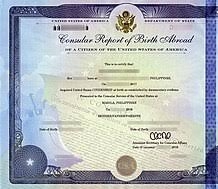
Birth registration is the official recording of a child’s birth by the government. It usually includes details such as:
Name of the child
Date of birth
Place of birth
Names of parents
Sex of the child
Birth registration is essential because it establishes a child’s legal identity and nationality. A birth certificate often becomes the first legal document a person owns and may later be required for school enrollment, passport applications, employment, voting, inheritance claims, and access to healthcare.
Death Registration
Death registration involves officially recording the death of an individual. Important details often captured include:
Name of the deceased
Date and place of death
Cause of death
Age at death
Occupation and marital status
Death registration helps governments maintain accurate population records and provides important public health data used for disease monitoring and national health planning.
Stillbirth Registration
Stillbirth registration records cases where a baby is born without signs of life after a specified period of pregnancy. Recording stillbirths is important for public health analysis and helps health authorities identify maternal and child healthcare challenges.
Marriage Registration
Marriage registration legally recognizes the union between two individuals. It protects the rights of spouses and children while also serving as proof of marital status in legal and administrative matters.
Marriage certificates may be required for:
Immigration purposes
Insurance claims
Property ownership
Inheritance matters
Change of name applications
Divorce and Annulment Registration
The registration of divorce or annulment officially documents the legal dissolution of a marriage. Proper documentation protects the rights of both parties and helps prevent legal disputes in the future.
Naturalization and Citizenship Changes
Naturalization registration records instances where individuals acquire citizenship in a country different from their country of birth. These records are essential for immigration management and national identity systems.
Importance of Civil Registration
Civil registration plays a critical role in both individual lives and national development. Its importance extends beyond documentation and affects governance, economics, public health, and human rights.
Establishing Legal Identity
One of the most important functions of civil registration is establishing legal identity. Without official registration, individuals may struggle to prove who they are, where they were born, or who their parents are.
Legal identity is fundamental for accessing many rights and services, including:
Education
Healthcare
Banking services
Employment opportunities
Voting rights
Social welfare programs
Protection of Human Rights
Civil registration helps protect the rights of individuals, especially vulnerable groups such as women and children. Birth registration can help prevent child labor, child trafficking, early marriage, and illegal adoption practices.
Marriage registration protects spouses against exploitation and ensures legal recognition of family relationships.
Supporting National Planning
Governments rely heavily on civil registration data for planning and policy development. Accurate records help authorities determine:
Population size
Birth and death rates
Life expectancy
Disease patterns
Fertility rates
Population distribution
This information guides decisions related to education, healthcare, housing, infrastructure, and employment policies.
Improving Public Health Systems
Death registration and cause-of-death data are important tools for monitoring public health trends. Governments can identify disease outbreaks, health risks, and mortality patterns more effectively when accurate records exist.
Public health officials use civil registration data to improve healthcare services and allocate resources where they are most needed.
Enhancing National Security
Proper civil registration contributes to national security by helping governments maintain accurate population records. Reliable identity systems reduce fraud, illegal migration, identity theft, and other forms of criminal activity.
Civil Registration in Nigeria
In Nigeria, civil registration is recognized as a legal obligation. The country has established laws and institutions responsible for recording vital events. The National Population Commission is the primary agency responsible for civil registration activities in the country.
The laws of Nigeria make the registration of births, deaths, and other vital events compulsory. Citizens are expected to report these events within specified periods.
Birth registration in Nigeria has become increasingly important due to its role in citizenship documentation, school enrollment, passport acquisition, and participation in government programs.
Despite ongoing improvements, challenges such as limited awareness, inadequate infrastructure, rural accessibility issues, and delayed reporting still affect the effectiveness of the civil registration system in some parts of the country.
Challenges Facing Civil Registration Systems
Although civil registration systems are essential, many countries face obstacles that limit effective implementation.
Lack of Public Awareness
Many people, especially in rural communities, may not fully understand the importance of registering births and deaths. As a result, vital events often go unreported.
Inadequate Infrastructure
Poor transportation networks, limited registration centers, and insufficient staffing can make registration services inaccessible to remote populations.
Financial Constraints
Some families may avoid registration due to transportation costs, administrative fees, or other financial difficulties.
Cultural and Religious Factors
In certain communities, traditional beliefs and customs may discourage formal registration practices.
Weak Data Management Systems
Inadequate record-keeping systems can lead to data loss, duplication, or inaccuracies that reduce the reliability of civil registration databases.
The Role of Technology in Modern Civil Registration
Technology is transforming civil registration systems across the world. Many countries are now adopting digital registration platforms to improve efficiency, accuracy, and accessibility.
Electronic registration systems help governments:
Store records securely
Reduce paperwork
Improve data retrieval
Prevent duplication
Enhance national identity management
Generate accurate statistics in real time
Mobile registration units and online services are also helping extend registration services to underserved communities.
Civil registration is far more than a bureaucratic process. It is a fundamental system that records the key events in people’s lives and provides legal recognition of their identity and status within society. Through the continuous and compulsory recording of births, deaths, marriages, stillbirths, naturalization, and related events, governments can protect individual rights, strengthen governance, improve public services, and support national development.
In countries like Nigeria, the legal requirement for registering vital events reflects the importance of maintaining accurate and reliable population records. Strengthening civil registration systems through public awareness, improved infrastructure, and digital innovation remains essential for ensuring that every individual is legally recognized and included in national development processes.
Logo Events. Some major events in Logo and other areas Zaki Biam Ugba And Buruku Road ConstucedPlace: Zaki-Biam/Ugba BurukuYear: 2005 Ugba Anyiin Road Constructed Ugba/AnyinPlace: Ugba/AnyiinYear: 2008 Interim Chairman of…
Enugu tourism events, places Enugu State is enormously endowed with tourist resources, facilities and potentials. These abound in natural features likes, caves, waterfalls, springs…
Cross River events Some important historical events in Calabar and other parts of Cross River. Calabar experienced electricity for the first time, on…
Nigeria Events Nok civilization • 600 BCE–200 CE Evidence of Nok civilization. Establishment of some kingdoms • 900–1000 CE Establishment of Hausa…
Events timeline: Provinces of South Africa Orange Free State became a British colony 1902-05-31 Orange Free State became the British colony of Orange River Colony. Northern…
Ghana Events Major events in Ghana and the dates MonthActivityJanuaryVakantiebeur, Utrecht -HollandJanuaryMATKA, HelsinkiJanuaryFITUR, Madrid – SpainFebruary 03Launch of Black History MonthFebruary 14National…
Remarkable Events In Nigeria Sports 2015 Team Nigeria returned from the Brazzaville African Games with a haul of 147 medals made up of 47 gold,…
FERMA’s MAJOR EVENTS Federal Roads Maintenance Agency (Establishment, etc) was established by Act No.7 of 2002 enacted by the National Assembly and assented…
Company Registration In Kenya A person wishing to incorporate a company in Kenya should lodge with the Registrar the following documents: 1. Application and…
REGISTRATION AS CLEARING AND FORWARDING AGENTS Letter of Application to GM Marine & Operations, HQ with the following documents: Certificate of Company Registration Memorandum and Article…