Cultural Diversity in Belize’s Southernmost District
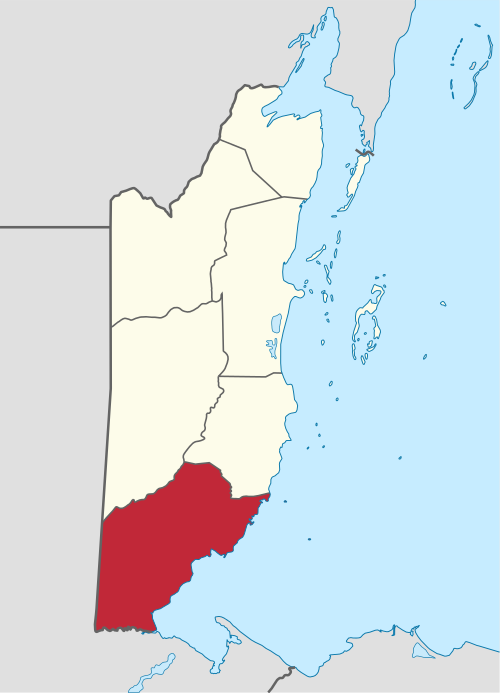
The Toledo District, situated at the southern edge of Belize, is one of the country’s most culturally diverse regions. Its population is composed of several Indigenous groups, Afro-descendant communities, European settlers and descendants, and various migrant populations whose traditions enrich the social fabric of the district.
Main Ethnic Groups in Toledo District
Qʼeqchiʼ Maya
Mestizo
Mopan Maya
Creole
East Indian (Indo-Caribbean)
Garifuna
European
German (including Mennonites)
British (Anglo-Celtic)
Other ethnicities
Not stated
Mixed (reported in 2010 but not separately listed in 2022)
1. Qʼeqchiʼ Maya
The Qʼeqchiʼ Maya represent the largest ethnic group in Toledo, comprising nearly half of the district’s population in recent census data.
Origins and Settlement
The Qʼeqchiʼ migrated from the Verapaz region of Guatemala into southern Belize during the 19th century, largely due to displacement and political upheaval. The fertile valleys and river systems of Toledo offered ideal settlement conditions.
Cultural Identity
Language: Qʼeqchiʼ, a Mayan language still widely spoken across rural Toledo.
Economy: Subsistence farming—particularly milpa agriculture, cacao cultivation, and corn production.
Religion and Tradition: A blend of Catholicism, Evangelical Christianity, and enduring Maya spiritual beliefs tied to the land.
Community Life
Traditional villages remain central to Qʼeqchiʼ social structure, with communal land use, village councils, and strong adherence to customary practices.
2. Mestizo
The Mestizo population, people of mixed Indigenous and European ancestry, is the second-largest group in the district.
Historical Context
Mestizos entered Belize in significant numbers during the 19th century, escaping the Caste War of Yucatán. Over time they spread across the country, including into the Toledo District.
Cultural Characteristics
Language: Primarily Spanish, with bilingualism in English and Belizean Creole.
Foodways: Corn-based cuisine, tamales, escabeche, and traditional sweets.
Religion: Mostly Catholic, with strong cultural traditions tied to patron-saint festivals.
Their presence has significantly influenced Toledo’s expansion of trade, agriculture, and linguistic diversity.
3. Mopan Maya
The Mopan Maya are one of Belize’s major Indigenous groups and share historical ancestry with the Qʼeqchiʼ, though their identities and languages remain distinct.
Origins
Originally from the Petén region of Guatemala and parts of western Belize, the Mopan have longstanding cultural ties to the Belizean Chiquibul and Mountain Pine Ridge areas.
Cultural Traits
Language: Mopan Maya, another living Mayan language still spoken today.
Traditions: Ceremonial dances, cacao production, and homemade crafts such as pottery, baskets, and hammocks.
Economy: Agriculture remains central, with crops including beans, corn, and root vegetables.
Mopan settlements are especially concentrated in the western portion of Toledo.
4. Creole (Kriol)
The Creole (or Kriol) population in Toledo is smaller compared to other districts but remains culturally influential.
Background
Belizean Creoles are descendants of African slaves, European settlers, and other migrant groups who shaped the colonial economy. They historically concentrated in coastal towns but migrated southward over time.
Cultural Influence
Language: Belizean Kriol, widely understood across the country.
Music: Brukdown and Creole drumming traditions.
Cuisine: Dishes such as rice and beans with stew chicken, sere, and Creole bread.
Their presence in Toledo contributes to its Afro-Caribbean heritage.
5. East Indians (Indo-Caribbean)
East Indians in Belize are descendants of indentured laborers brought to the Caribbean in the 19th century.
Cultural Elements
Cuisine: Roti, curry dishes, and spiced foods that have become beloved staples in Belize.
Beliefs: Primarily Christian, though some Hindu traditions and cultural celebrations persist.
Occupations: Farming, commerce, and retail sectors.
Their communities are especially visible in several rural villages in Toledo.
6. Garifuna
The Garifuna people are descendants of West Africans and Indigenous Kalinago populations from the Caribbean island of St. Vincent.
Identity and Traditions
Language: Garifuna, an Arawakan-based language recognized by UNESCO.
Music and Dance: Punta, punta rock, and traditional drumming ensembles.
Cultural Heritage: Strong ancestral rituals, including the dügü ceremony.
While more concentrated in Dangriga and Hopkins, the Garifuna have a meaningful cultural footprint in Toledo as well.
7. Europeans
German (Mennonite)
Mennonites, of German-speaking heritage, form a distinct European subgroup in the district.
Lifestyle: Conservative religious communities, traditional clothing.
Economy: Agriculture, dairy, carpentry, and mechanical trades.
Settlements: Small Mennonite farms and communities in southern Belize.
British (Anglo-Celtic)
Descendants of British settlers—including families tied to 19th-century Confederate refugees—are also present.
Historical Role: Participation in logging, trade, and early colonial administration.
Cultural Presence: English-language traditions and rural landholding patterns.
8. Other and Mixed Groups
Toledo also includes residents who identify as:
Mixed ethnicity
Other ethnicities not captured in major census categories
Not stated/undisclosed
These categories reflect the growing multicultural identity of Belize.
The Toledo District stands as one of Belize’s most culturally rich regions. From the deep-rooted traditions of the Maya communities to the vibrant expressions of Afro-Caribbean and Indo-Caribbean cultures, and the contributions of European and Mestizo settlers, Toledo exemplifies the harmonious diversity that characterizes Belize as a whole.
World Heritage Site in Belize UNESCO World Heritage Site in Belize is: Belize Barrier Reef Reserve System > View other UNESCO World Heritage Sites More…
List of Belize Districts and Capitals Administrative Subdivisions in Belize Belize is divided into six main administrative districts. These districts serve as the highest-level subdivisions for…
Tribes and ethnic groups in Niger State The three most populated ethnic groups in Niger State are:NupeGbagyiHausa Others include:KadaraKoroBarabaKakandaGanaganaDiboKambariKamukuPanguDukkawaGwada And Ingwai Niger State also has numerous settlers…
TARABA ETHNIC GROUPS There are over eighty (80) ethnic groups found in Taraba State each with its distinct historical and cultural heritage cohabiting…
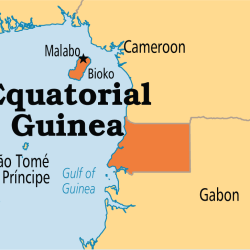
List of ethnic groups in Equatorial Guinea The ethnic groups in Equatorial Guinea are: 85.7% Fang6.5% Bubi3.6% Ndowe1.6% Annobon1.1% Bujeba1.1% other Languages in Equatorial Guinea Spanish and…
Ethiopia ethnic groups Ethiopia is a multi-ethnic country with over 80 different ethnic groups. Oromo and Amhara are the country’s two largest ethnic…
List of ethnic groups in ADDIS ABABA, Ethiopia The ethnic groups in ADDIS ABABA, Ethiopia are: SurmaSheTigrieTimebaroTsemayUpoWelaitaWerjiYemZeyeseZelmam Ethiopia ethnicity Ethiopia is a multi-ethnic country with over 80 different…
List of ethnic groups in GULELE, Ethiopia The ethnic groups in GULELE, Ethiopia are: Affar Agew—Awi Agew Hamyra Alaba Amhara Anyiwak Argoba Ari Arborie Bacha Basketo Bench…
List of ethnic groups in LIDETA, Ethiopia The ethnic groups in LIDETA, Ethiopia are: Affar Agew—Awi Agew Hamyra Alaba Amhara Anyiwak Argoba Ari Arborie Bacha Basketo Bench…
List of ethnic groups in KIRKOS, Ethiopia The ethnic groups in KIRKOS, Ethiopia are: Affar Agew—Awi Agew Hamyra Amhara Anyiwak Argoba Ari Arborie Bacha Basketo Bench Berta…
List of ethnic groups in ARADA, Ethiopia The ethnic groups in ARADA, Ethiopia are: Affar Agew—Awi Agew Hamyra Alaba Amhara Anyiwak Argoba Ari Arborie Bacha Basketo Bench…
Plateau people, tribes, ethnic groups, languages Plateau state has over forty ethno-linguistic groups. Some of the indigenous tribes in the state are:BeromAfizereAmoAnagutaAtenBogghomBujiChallaChipFierGashishGoemaiIrigweJarawaJukunKofyar (comprising Doemak Kwalla and…