Holy Fire Ceremony at the Church of the Holy Sepulchre in Jerusalem
The significance, rituals, and global impact of the Holy Fire Ceremony held annually on Great Saturday at the Church of the Holy Sepulchre in Jerusalem.
Each year on Great Saturday, the day preceding Orthodox Easter, thousands of worshippers converge upon the Church of the Holy Sepulchre in Jerusalem to witness one of Christianity’s most sacred and mysterious events—the Holy Fire Ceremony. Revered as a divine miracle by many in the Eastern Orthodox Church, the event symbolizes the light of Christ’s resurrection and continues to captivate believers, clergy, and dignitaries alike.
Historical Origins of the Holy Fire Ceremony
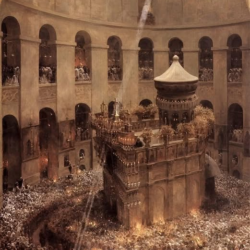
The Holy Fire Ceremony is steeped in centuries of tradition, with historical records dating back to at least the 4th century CE. According to Orthodox belief, the miracle of the Holy Fire has occurred annually for over a millennium. The ceremony is said to mark the spontaneous ignition of a flame within the Edicule, the small shrine enclosing the tomb where Jesus was buried and resurrected. Though not universally accepted across Christian denominations, for the Eastern Orthodox faithful, the Holy Fire remains a powerful testament to the divine.
The Church of the Holy Sepulchre: Sacred Site of Christianity
Located in the heart of Jerusalem’s Old City, the Church of the Holy Sepulchre is one of the holiest sites in Christianity. It is traditionally believed to encompass both Golgotha—the site of Jesus’ crucifixion—and the tomb from which he rose. Built in the 4th century by Emperor Constantine and his mother Helena, the church has since become a pilgrimage destination for millions of Christians worldwide.
Great Saturday: Timing and Symbolism
The Holy Fire Ceremony is held annually on Great Saturday, the day before Orthodox Easter. This day represents the period between Christ’s crucifixion and resurrection—a time of solemn reflection and anticipation. The ceremony acts as a bridge between mourning and joy, darkness and light, death and resurrection.
The Role of the Greek Orthodox Patriarch of Jerusalem
Central to the ceremony is the Greek Orthodox Patriarch of Jerusalem. In 2025, Patriarch Theophilos III led the ritual, as is customary. Clad in ceremonial vestments, the Patriarch enters the Holy Sepulchre alone after a thorough search to ensure no artificial means of fire are present. Following prayer and invocations, the Holy Fire is said to spontaneously ignite within the tomb.
Rituals and Steps of the Holy Fire Ceremony
The ceremony begins with a solemn procession around the Church of the Holy Sepulchre. After the tomb is sealed and inspected, the Patriarch enters with a bundle of unlit candles. Following moments of silence and prayer within the tomb, a miraculous flame appears. The Patriarch emerges with the lit candles, proclaiming the resurrection of Christ.
Distribution of the Holy Flame
The newly lit Holy Fire is swiftly passed from candle to candle, illuminating the church with flickering light. Clergy, monks, and lay believers alike share in the flame, often using it to light oil lamps they carry back to their homes and churches. In recent decades, the flame has also been transported by special flights to Orthodox communities across Europe, Asia, and the Americas.
Security and Access at the Church During the Ceremony
Given the popularity and religious significance of the event, Israeli authorities coordinate closely with the Church to ensure safety and order. Thousands of pilgrims and local Christians attend, often standing in long queues under tight security protocols. Only a limited number of people are permitted inside the church itself, with others observing from surrounding areas.
International and Ecumenical Participation
While rooted in Eastern Orthodox tradition, the Holy Fire Ceremony also draws representatives from other Christian denominations, including the Armenian Apostolic and Coptic Orthodox Churches. Diplomatic envoys, interfaith leaders, and cultural dignitaries often attend, underscoring Jerusalem’s role as a spiritual hub for multiple faiths.
Pilgrimage and Worship in Jerusalem
The Holy Fire Ceremony is a highlight of Christian pilgrimage to the Holy Land. Pilgrims from Russia, Greece, Romania, Ethiopia, and other predominantly Orthodox nations journey to Jerusalem to experience the miracle firsthand. For many, it is a once-in-a-lifetime spiritual climax that reinforces their faith and communal identity.
Holy Fire Ceremony at the Church of the Holy Sepulchre in Jerusalem in 2025
Cultural and Religious Significance for Israel
The ceremony reflects the deep religious and cultural pluralism within Israel. As home to many of the world’s most significant religious sites, Israel sees the Holy Fire as part of its broader tapestry of interfaith coexistence. The state supports the event as a key component of its cultural diplomacy and religious tourism.
Controversies and Debates Surrounding the Ceremony
Though cherished by many, the Holy Fire Ceremony is not without its critics. Skeptics question the spontaneous nature of the flame, suggesting human intervention. The Orthodox Church, however, defends the ceremony as a sacred tradition rooted in faith, not empirical proof. The debate highlights broader tensions between science and religion, faith and skepticism.
The Ceremony’s Impact on Tourism and Economy
Each year, the Holy Fire Ceremony boosts local tourism, drawing tens of thousands of visitors to Jerusalem. Hotels, restaurants, and vendors benefit economically, and the event has become a cornerstone of Israel’s religious tourism industry. The economic activity generated provides vital support to local communities, particularly in the Christian Quarter of the Old City.
Media Coverage and Global Broadcasting
Thanks to advances in technology, the ceremony is now broadcast live across the globe. Satellite channels, live streams, and social media platforms enable millions to witness the ritual in real time. This global reach enhances the ceremony’s spiritual resonance and connects diaspora communities to their religious roots.
Iconography and Photography of the Event
The Holy Fire is not just a spiritual phenomenon; it is also a powerful visual event. The flame’s golden glow, the Patriarch’s solemn movements, and the throngs of worshippers create iconic images that circulate widely in religious and secular media alike. Photographers and journalists document the ceremony, capturing its reverence and energy.
Preservation of the Tradition for Future Generations
Religious institutions play a key role in ensuring that the Holy Fire Ceremony endures. From teaching the next generation of clergy to educating youth about its meaning, the tradition is passed down through prayer, liturgy, and community gatherings. Families often share stories and photos, embedding the ceremony in their spiritual memory.
The Holy Fire Ceremony remains one of the most compelling and enduring traditions in the Christian world. Rooted in Jerusalem’s sacred soil and fueled by the faith of generations, it continues to draw the devout and the curious alike. As candles are lit and prayers are whispered, the flame of belief burns brightly—year after year, miracle after miracle.
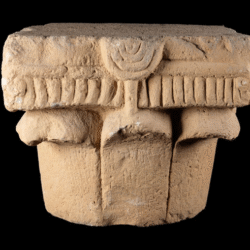
Menorah Capital Discovered in Jerusalem Astonishing One-of-a-Kind Stone Capital with Menorah, Lasting 1,500 Years Old, Unearthed in Jerusalem One-of-a-kind stone capital with menorah – Unearthed…
List of Community Administrations in Jerusalem The Community Administrations in Jerusalem are: Elazar HaModaiElazar HaModai 18 ArnonaHanoch Albeck 29 Ben ZakaiBen Zakai 46 Ben YehudaKing George…
Aliyah to Jerusalem: Key Details Aliyah to Jerusalem Aliyah (עלייה) refers to Jewish immigration to Israel, and Jerusalem is a top destination for many Olim…
List of Neighbourhoods in Jerusalem Abu Tor East Beit HaKerem Home & Garden Beit Hanina Beit Safafa Baka Jebel Mukaber Givat Mordechai Givat Massuah Givat…
World Heritage Site in Jerusalem UNESCO World Heritage Site in Jerusalem (Site proposed by Jordan) is: Old City of Jerusalem and its Walls > View…
NKST Church: A Spiritual Pillar The NKST Church (Nongo u Kristu u i Ser u sha Tar), also known as the Universal Reformed Christian Church…
Holy Ghost Cathedral, Enugu The Holy Ghost Cathedral is a popular Catholic worship centre in Enugu. The magnificent Holy Ghost Cathedral, Enugu Inside the…