Fresh Minimum Wage Negotiations to Begin in July 2026 as Labour Pushes for Larger Pay
NEW MINIMUM WAGE AWAITS SHORTLY AS NEGOTIATIONS BEGIN IN JULY
The current minimum wage expires early next year, says labour
NLC, TUC seek fresh minimum wage talks with government
Labour to start negotiations on time, July this year, to avoid delays
Nigeria’s labour union has announced plans to begin negotiations for a new national minimum wage in July 2026, months before the current wage structure expires. The move is aimed at preventing the prolonged delays that have historically accompanied wage review discussions in the country.
Labour Unions Move Early on Wage Talks
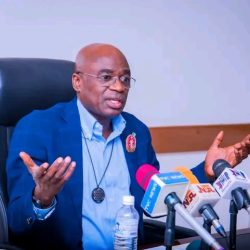
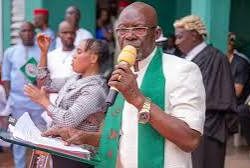
In a joint address delivered by NLC President Joe Ajaero and TUC President Festus Osifo, labour leaders said the worsening economic situation in the country had made another wage review unavoidable.
According to the unions, negotiations for a new minimum wage will begin in July 2026 to ensure workers do not experience the same delays that characterised previous wage adjustments.
The labour leaders stated that the current minimum wage arrangement is expected to expire early next year, making early discussions necessary to avoid uncertainty for workers across the country.
The announcement was made during the 2026 Workers’ Day celebration held at Eagle Square in Abuja, where leaders of the Nigeria Labour Congress and the Trade Union Congress addressed thousands of workers gathered for the annual May Day event.
Economic Hardship Driving New Demands
The unions linked the planned wage negotiations to rising inflation, increasing insecurity, unemployment, and the steady decline in the purchasing power of Nigerian workers.
They argued that despite repeated claims of economic growth, ordinary Nigerians continue to struggle with soaring living costs and worsening poverty levels.
According to the labour leaders, official economic statistics do not reflect the realities facing millions of citizens. They pointed to reports suggesting Nigeria’s Gross Domestic Product growth could reach approximately 3.6 percent, mainly driven by the service sector, while poverty levels continue to rise across the country.
The unions insisted that the economy appeared to benefit only a small elite while the majority of Nigerians faced severe hardship.
Current N70,000 Minimum Wage Under Pressure
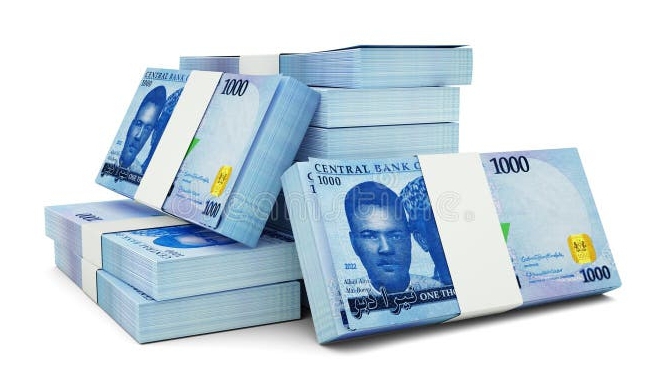
Nigeria’s current national minimum wage of N70,000 was signed into law on July 29, 2024, by President Bola Tinubu after months of negotiations involving the federal government, labour unions, and private sector representatives.
The wage increase amended the 2019 National Minimum Wage Act and was introduced as part of efforts to address the rising cost of living in the country.
However, labour leaders argued that economic conditions have deteriorated further since the implementation of the new wage structure, making another review necessary sooner than expected.
The unions also complained that implementation of the wage law has remained inconsistent across several states, with some governments allegedly failing to fully comply despite increased federal allocations and revenues.
Labour Demands Interim Salary Support
Beyond the planned renegotiation, organised labour is also demanding temporary financial relief for workers.
The NLC and TUC called for workers to receive 100 percent of their basic salaries from July 2026 until a new national minimum wage agreement is reached and signed into law.
According to the unions, the proposed measure is intended to cushion the effects of what they described as a deepening “crisis of survival” affecting Nigerian workers and their families.
Labour leaders urged workers nationwide to remain united in the campaign for what they called a “truly living wage” that reflects current economic realities.
Unions Criticise Taxation Policies
During the May Day address, the labour centres also criticised what they described as excessive taxation on workers and low-income Nigerians.
They called on the federal government to introduce tax relief measures to help citizens cope with rising prices and mounting economic pressures.
The unions specifically demanded an end to taxation on minimum wage earners, insisting that low-income workers should not be burdened further at a time of widespread economic hardship.
Rising Insecurity Raises Concerns
The NLC and TUC also expressed serious concern over the country’s worsening security situation, warning that insecurity was increasingly affecting productivity, livelihoods, and national development.
The unions cited frequent cases of kidnappings, attacks, and killings in different parts of the country, arguing that many workers no longer feel safe commuting to work or carrying out daily activities.
Labour leaders warned that if the security situation continues to deteriorate, the unions may advise workers across the country to limit their movements or remain at home for safety reasons.
According to them, no worker should have to risk abduction or death simply for going to work.
Criticism Extends Beyond Wage Issues
The May Day speech also addressed broader national concerns beyond salaries and workers’ welfare.
The unions criticised developments within key democratic institutions, including the National Assembly and the judiciary, warning that weakening institutional independence could threaten Nigeria’s democracy ahead of the 2027 general elections.
Labour leaders further condemned challenges in the power sector, rising fuel prices, deteriorating conditions in public research institutions, and what they described as continued attacks on workers’ rights in both the public and private sectors.
Labour Vows Continued Engagement
Despite the mounting challenges facing workers, the NLC and TUC insisted that the labour movement remains united and committed to defending workers’ welfare.
The unions said they were prepared to intensify engagements with employers and government authorities as they push for improved wages, better working conditions, and stronger protections for Nigerian workers.
With negotiations expected to begin in July 2026, attention will now turn to how the federal government, state governments, and private sector employers respond to labour’s renewed demands amid Nigeria’s ongoing economic challenges.
corps members included in minimum wage Why it’s been disappointing to corps members who didn’t receive the 70,0000 of the new minimum wage in August 2024…
NDDC to pay stipends to 10,000 interns The Niger Delta Development Commission (NDDC) has announced plans to pay stipends to 10,000 interns starting in December. Each intern…
How much is NYSC monthly pay NYSC monthly pay for corps members is approximately N33,000. Some government bodies including state governments, federal ministries, departments and agencies…
Uganda: Labour Force Characteristics, Trends & Insights Labour Force Characteristics reveal key employment trends, sectoral shifts, and income distribution among Uganda’s working-age population. Understanding this is essential…
LABOUR INSPECTOR IN NIGERIA CIVIL SERVICE LABOUR INSPECTOR CADRE POSTS AND SALARIES1.1 Assistant Labour Inspector Grade level 061.2 Labour Inspector Grade level 071.3 Higher Labour Inspector…
LABOUR PARTY HAILS GBAA DESMOND By Ajufu AondofaThe Labour Party in Buruku Local Government has commended Hon. Gbaa Desmond for his bold decision to contest…