Getting Richer at 60 Years, Before or After: The Warren Buffett Case
Getting richer, becoming a millionaire, billionaire or trillionaire at 60 years, before or after is not an issue. Making money or getting wealthier has no expiry date.
Harland Sanders — became rich at 62 after franchising KFC.
Grandma Moses — became wealthy from painting in her late 70s.
Peter Mark Roget — gained major financial success after publishing his thesaurus in his 70s.
Laura Ingalls Wilder — achieved wealth and fame in her 60s through publishing.
Taikichiro Mori — became a billionaire after age 60 through real estate investments.
Ray Kroc — became extremely wealthy after age 60 with McDonald’s expansion.
John Pemberton — earned late-life financial success from Coca-Cola after age 60.
Harry Bernstein — became financially successful as a writer at 96.
Joseph A. Campbell — accumulated substantial wealth later in life, especially after 60.
Wally Blume — became wealthy from Moose Tracks ice cream business in his 60s.
Other persons who either became millionaires/billionaires, achieved their biggest financial breakthrough, or built the fortunes that made them globally wealthy after turning 60
Details [ Open | Close ]
Rank
Person
Major Wealth Breakthrough After 60
Current Net Worth (2026 est.)
1
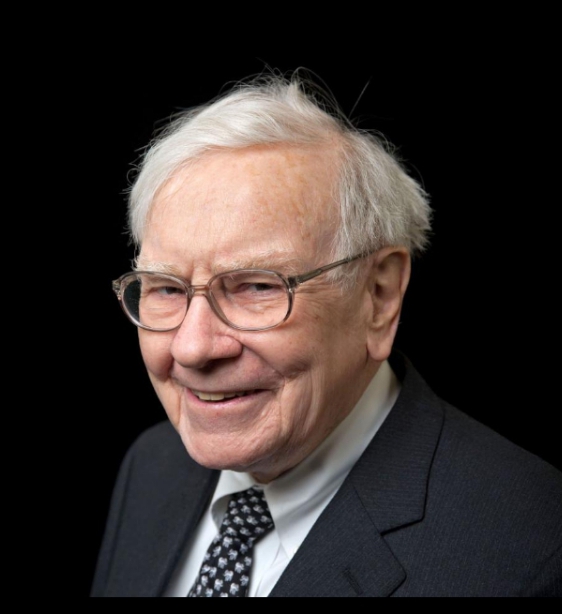
Warren Buffett
More than 90% of his fortune was accumulated after age 60 through Berkshire Hathaway’s explosive long-term growth
About $143 billion
2
Michael Bloomberg
Bloomberg LP expanded massively when he was already in his 60s and 70s
About $109 billion
3
Amancio Ortega
Zara’s global dominance and Inditex stock growth accelerated after he turned 60
About $130 billion
4
Steve Ballmer
His Microsoft stock value exploded after leaving Microsoft in his late 50s
About $131 billion
5
Larry Ellison
Oracle’s AI and cloud boom dramatically increased his wealth in his 70s and 80s
About $245 billion
6
Jensen Huang
Nvidia’s AI revolution made him ultra-rich after age 60
About $204 billion
7
Diane Hendricks
Her fortune surged from ABC Supply’s expansion well after age 60
About $22 billion
8
François Pinault
Luxury giant Kering generated enormous wealth growth in his later decades
About $22 billion
9
Colonel Harland Sanders
Founded and franchised KFC successfully after age 65
Historical estate value estimated in hundreds of millions at death
10
Ray Kroc
Built McDonald’s into a global empire after age 52, with peak wealth after 60
Inflation-adjusted fortune today would equal several billions
Key Observations
Warren Buffett is often considered the greatest example of wealth compounding late in life. Reports indicate the overwhelming majority of his net worth was earned after age 60.
Jensen Huang became vastly richer only recently because of the AI boom and Nvidia’s stock surge.
Larry Ellison experienced one of the largest late-life wealth increases ever due to Oracle’s rapid rise in AI infrastructure demand.
Historical figures like Colonel Harland Sanders and Ray Kroc are classic examples of people who achieved major business success later in life rather than in youth.
These examples show that extreme wealth creation is not limited to young founders; in many cases, the largest gains happened decades after traditional retirement age.
Who Is Warren Buffett?
Warren Buffett is one of the most successful investors in modern history. He is the chairman and CEO of Berkshire Hathaway, a massive conglomerate that owns or invests in dozens of major companies.
Buffett is often called:
“The Oracle of Omaha”
One of the greatest value investors ever
A symbol of long-term investing discipline
He was born on August 30, 1930, in Omaha.
Early Life and Interest in Money
Buffett showed unusual business ability as a child.
By his teenage years, he had already:
Delivered newspapers
Sold chewing gum and Coca-Cola
Operated pinball machine businesses
Studied stock market reports intensely
At age 11, he bought his first stock shares.
At age 16, he had already built substantial savings through entrepreneurship and investing.
Education and Investment Philosophy
Buffett studied under legendary investor Benjamin Graham at Columbia Business School.
Graham’s philosophy strongly influenced Buffett:
Buy undervalued companies
Focus on intrinsic value
Invest for the long term
Ignore short-term market panic
This became known as value investing.
Buffett later refined the strategy by buying high-quality businesses with durable competitive advantages.
Berkshire Hathaway
Originally, Berkshire Hathaway was a struggling textile company.
Buffett gradually bought control of it during the 1960s and transformed it into one of the world’s largest investment holding companies.
Berkshire Hathaway owns or holds major stakes in companies such as:
Apple Inc.
Coca-Cola Company
American Express
Bank of America
Geico
BNSF Railway
Under Buffett’s leadership, Berkshire Hathaway’s stock became one of the most valuable in the world.
How Warren Buffett Built His Wealth
1. Long-Term Investing
Buffett rarely trades frequently. Instead, he buys businesses he believes will remain strong for decades.
His famous principle:
“Our favorite holding period is forever.”
2. Compound Growth
A major reason for Buffett’s extraordinary wealth is compound returns over many decades.
For example:
Small gains reinvested continuously grow exponentially over time.
Buffett started investing very young and continued for more than 70 years.
Most of his fortune came after age 50 because compounding accelerates dramatically over long periods.
3. Owning Businesses
Rather than simply buying stocks, Buffett often buys entire businesses through Berkshire Hathaway.
This creates:
Consistent cash flow
Dividend income
Business expansion opportunities
4. Discipline During Market Crashes
Buffett became famous for remaining calm during financial crises.
He often buys when markets are fearful.
One of his best-known quotes:
“Be fearful when others are greedy and greedy when others are fearful.”
Warren Buffett’s Wealth
Buffett became:
A millionaire at age 30
A billionaire at age 56
Over time, his fortune grew into well over $100 billion, placing him among the richest people in the world.
Unlike many billionaires, Buffett is known for relatively modest personal habits:
He still lived for decades in the same home in Omaha
Avoided extravagant luxury lifestyles
Preferred practical spending
Philanthropy
Buffett is also known for large-scale charitable giving.
He pledged to donate most of his wealth through initiatives such as:
Bill & Melinda Gates Foundation
The Giving Pledge
The Giving Pledge encourages billionaires to donate the majority of their fortunes to charitable causes.
Partnership With Charlie Munger
A key figure in Buffett’s success was Charlie Munger, Berkshire Hathaway’s longtime vice chairman.
Munger helped Buffett evolve from buying merely cheap companies to buying excellent businesses at fair prices.
Their partnership became one of the most respected in business history.
Warren Buffett’s Core Principles
Simplicity
Buffett avoids businesses he does not understand.
Patience
He waits years for the right opportunities.
Rational Thinking
He avoids emotional decision-making.
Consistency
He follows the same investing principles over decades.
Reputation
Buffett strongly emphasizes integrity in business.
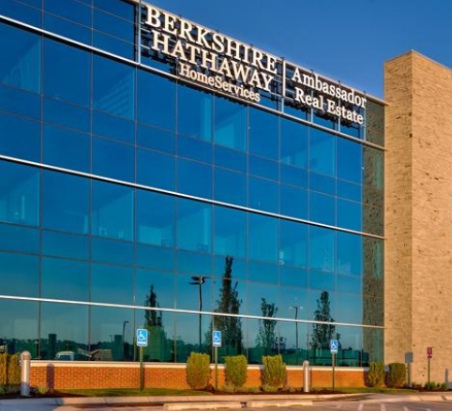
Warren BuffettBerkshire Hathaway
Influence on Global Investing
Buffett’s annual shareholder letters are widely studied by:
Investors
CEOs
Economists
Business students
His influence extends beyond investing into:
Corporate governance
Business ethics
Philanthropy
Financial education
Many modern investors and entrepreneurs consider Buffett one of the most important business figures of the 20th and 21st centuries.
Bayero University over the years Bayero University started in January 1960 when Ahmadu Bello College was established and located at the school for Arabic Studies…