List of Ministers in Pakistan and Their Ministries
President of Pakistan
Asif Ali Zardari
Prime Minister
Mian Muhammad Shehbaz Sharif
List of Ministers in Pakistan and Their Ministries
#
Minister
Ministry
1
Mohammad Ishaq Dar
Foreign Affairs; Deputy Prime Minister
2
Khawaja Muhammad Asif
Defence
3
Ahsan Iqbal Chaudhary
Planning, Development and Special Initiatives
4
Rana Tanveer Hussain
National Food Security and Research
5
Azam Nazeer Tarar
Law and Justice; additional portfolio of Human Rights
6
Chaudhry Salik Hussain
Overseas Pakistanis and Human Resource Development
7
Abdul Aleem Khan
Communications
8
Jam Kamal Khan
Commerce
9
Amir Muqam
Kashmir Affairs, Gilgit-Baltistan and States and Frontier Regions
10
Sardar Awais Ahmad Khan Leghari
Power
11
Attaullah Tarar
Information and Broadcasting
12
Khalid Maqbool Siddiqui
Federal Education and Professional Training
13
Qaiser Ahmed Sheikh
Board of Investment
14
Riaz Hussain Pirzada
Housing and Works
15
Musadik Masood Malik
Climate Change and Environmental Coordination
16
Muhammad Aurangzeb
Finance; additional portfolio of Revenue
17
Ahad Khan Cheema
Economic Affairs; additional portfolio of Establishment
18
Mohsin Naqvi
Interior and Narcotics Control
19
Tariq Fazal Chaudhary
Parliamentary Affairs
20
Ali Pervaiz Malik
Petroleum
21
Aurangzeb Khan Khichi
National Heritage and Culture
22
Khalid Hussain Magsi
Science and Technology
23
Muhammad Hanif Abbasi
Railways
24
Muhammad Mueen Wattoo
Water Resources
25
Muhammad Junaid Anwar
Maritime Affairs
26
Muhammad Raza Hayat Harraj
Defence Production
27
Sardar Muhammad Yousaf
Religious Affairs and Interfaith Harmony
28
Shaza Fatima Khawaja
Information Technology and Telecommunication
29
Rana Mubashar Iqbal
Public Affairs Unit
30
Syed Mustafa Kamal
National Health Services, Regulations and Coordination
31
Syed Imran Ahmad Shah
Poverty Alleviation and Social Safety
Pakistan’s federal ministers lead government ministries and oversee major areas of national policy, administration and public service. Their portfolios cover foreign relations, defence, finance, energy, education, health, communications, agriculture, climate policy and other federal responsibilities. This guide lists the federal ministers and their portfolios according to the Government of Pakistan’s Cabinet Division, with additional context on how ministries and divisions work.
Pakistan’s Federal Cabinet
Pakistan is a federal parliamentary republic. The Prime Minister heads the federal government and works with the federal cabinet to direct policy and the administration of matters assigned to the federation. Federal ministers are assigned portfolios and are responsible for the political leadership of the relevant ministries, divisions or other government units.
The cabinet is not the same thing as the entire federal administration. Ministers provide political direction and take part in collective government decision-making, while federal secretaries and other civil servants manage day-to-day administration, implement decisions and advise on policy and law. The Prime Minister may also appoint ministers of state, advisers and special assistants; these are distinct categories and should not automatically be counted as federal ministers.
What Is the Difference Between a Ministry and a Division?
Government directories often list both ministries and divisions. A ministry is a broad area of government responsibility, while a division is an administrative unit through which official business is organised and carried out. A ministry may contain one or several divisions. For example, the federal energy structure includes the Power Division and Petroleum Division. Finance and revenue functions are also organised through separate divisions.
Because administrative structures can be reorganised, the names shown on an older government webpage may not exactly match the titles used in a more recent Cabinet Division notification. For current portfolio assignments, the Cabinet Division’s minister list is the more direct reference; for the formal structure of ministries and divisions, consult its List of Ministries and Divisions and the government’s Ministries directory.
Key Responsibilities of Federal Ministries
Finance, revenue and economic affairs
The finance portfolio deals with federal budgeting, public expenditure, fiscal planning and the government’s financial position. Revenue administration concerns tax collection and related policy, while the Economic Affairs portfolio covers external economic cooperation and development assistance. Planning and development bodies help formulate national priorities and coordinate public-sector development programmes.
Foreign affairs and defence
The Ministry of Foreign Affairs manages Pakistan’s diplomatic relations, official engagement with other countries and international organisations, and consular and foreign-policy matters. The Defence Ministry is responsible for the federal government’s civilian defence administration and policy coordination. Defence Production is a separate portfolio focused on the defence production sector.
Interior, law and parliamentary affairs
The Interior portfolio covers important internal-security and federal administrative matters, while Narcotics Control addresses drug-control policy and enforcement coordination. Law and Justice supports the government’s legal work and justice-related policy, and Parliamentary Affairs coordinates government business in Parliament. These responsibilities operate within Pakistan’s Constitution and applicable laws.
Energy, petroleum and water
The Power portfolio relates to the electricity sector and its federal policy responsibilities. Petroleum covers matters concerning oil and gas, while Water Resources deals with federal water-sector policy and related infrastructure and resource management. These fields affect economic activity, public services, agriculture and household costs.
Education, health and social protection
Federal Education and Professional Training oversees federal responsibilities in education policy and professional training. National Health Services, Regulations and Coordination deals with federal health-sector coordination and regulatory matters. Poverty Alleviation and Social Safety focuses on policies and programmes intended to address poverty and support vulnerable households. Provincial governments also play major roles in service delivery in these sectors.
Commerce, communications and technology
Commerce handles trade policy and related commercial matters. Communications covers federal responsibilities associated with roads and communications infrastructure, while Information Technology and Telecommunication addresses digital policy and telecommunications. Information and Broadcasting manages government information and broadcasting functions. These portfolios are relevant to trade, connectivity, digital services and public communication.
Food security, climate and science
National Food Security and Research deals with federal agriculture, food-security and research responsibilities. Climate Change and Environmental Coordination covers climate policy and environmental coordination. Science and Technology supports federal science, technology and research-related functions. Together, these areas are important to resilience, innovation, food systems and sustainable development.
Other federal portfolios
The cabinet’s remaining portfolios include railways, maritime affairs, housing and works, religious affairs and interfaith harmony, overseas Pakistanis and human resource development, national heritage and culture, and Kashmir Affairs and Gilgit-Baltistan. Each covers a distinct area of federal policy and administration. The Board of Investment and Public Affairs Unit are listed as portfolios in the Cabinet Division directory, although they are not titled as conventional ministries in the same way as several other entries.
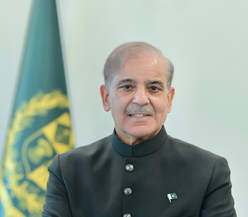
Prime Minister of Pakistan Mian Muhammad Shehbaz Sharif
How Ministerial Portfolios Are Assigned
Ministerial appointments and the allocation of government business are formal executive matters. A minister may be assigned more than one portfolio, and responsibilities may be transferred or renamed as government priorities and administrative arrangements change. That is why readers should check official notifications rather than rely indefinitely on a static list or a previous cabinet announcement.
More
Barbados Ministries and their Ministers A full list of ministries in Barbados along with the current minister (or responsible office-holder) for each. Ministries and their…
List of Ministers in Trinidad and Tobago A look at the Government of Trinidad and Tobago under Prime Minister Kamla Persad-Bissessar, as sworn in following the 2025…
LIST OF ALL MINISTERS AND POTFOLIOUS Here’s the list of Nigeria’s ministers appointed by President Bola Tinubu in 2024, along with their portfolios: Bosun Tijani -…
List of Barbados Government Ministries Barbados Government Ministries form the central framework of public administration across the island. These ministries ensure that national policies are…
List of Federal Ministries in Nigeria The Federal Government of Nigeria has 35 Ministries, namely: Ministry of Industry, Trade And Investments Ministry of Youth & Sports…
List of Botswana government ministries The government of Botswana has many ministries, namely: Ministry for State President Ministry of Agricultural Development and Food Security Ministry…
Ministries, Departments and Agencies (MDA) in Nigeria Nigeria Federal Ministries, Departments and Agencies (MDA) and their codes are: SNMDA CodeOrganization /MinistryMinisterial DepartmentAgency /Parastatal137001Federal Ministry of Industry, Trade…
Botswana Ministries, Agencies and Parastatals List of Botswana government bodies: Ministries, Agencies and Parastatals Ministries Botswana government ministries are: Ministry for State President Ministry of…
Botswana Ministries and Agencies The Ministries and Agencies in Botswana are: Administration of Justice (AoJ) Attorney General’s Chambers Botswana Defence Force Botswana Police Service…