Ethiopia’s Leadership, Cabinet Ministers: List of Government Officials
Ethiopia is a federal parliamentary republic in which executive authority is exercised by the Prime Minister and the Council of Ministers, while the President serves as head of state. The federal legislature consists of the House of Peoples’ Representatives and the House of the Federation.
As of September 2026, Ethiopia’s federal leadership includes President Taye Atske-Selassie, Prime Minister Abiy Ahmed Ali, Deputy Prime Minister Temesgen Tiruneh, and a cabinet responsible for major areas including foreign affairs, defense, finance, education, health, agriculture, trade, infrastructure, energy, tourism and social affairs. The following list is based primarily on current Ethiopian government and diplomatic sources.
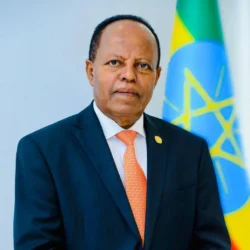
President of Ethiopia: Taye Atske-Selassie
Taye Atske-Selassie Amde is the President of the Federal Democratic Republic of Ethiopia. He assumed the presidency in October 2024, succeeding Sahle-Work Zewde. Before becoming president, he had a long diplomatic career and served as Ethiopia’s Minister of Foreign Affairs in 2024 before being elected president.
The Ethiopian presidency is the country’s highest constitutional office, while day-to-day executive government is headed by the Prime Minister.
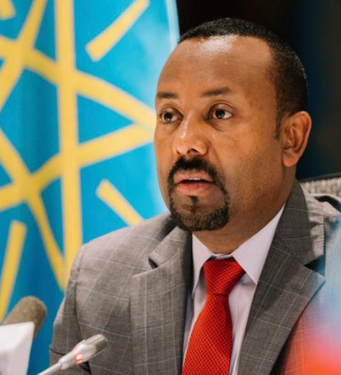
Prime Minister: Dr. Abiy Ahmed Ali
Dr. Abiy Ahmed Ali is the Prime Minister and head of government of Ethiopia. He assumed office on 2 April 2018 and is the fourth Prime Minister of the Federal Democratic Republic of Ethiopia. The Office of the Prime Minister identifies national unity, peaceful coexistence, shared growth and regional integration among the themes of his administration.
The Prime Minister leads the federal executive and chairs the Council of Ministers.
Deputy Prime Minister: Temesgen Tiruneh
Temesgen Tiruneh serves as Ethiopia’s Deputy Prime Minister. The position places him among the country’s senior federal executive officials, supporting the Prime Minister in coordinating government affairs. Current Ethiopian diplomatic sources list him as Deputy Prime Minister.
Speaker of the House of Peoples’ Representatives: Tagesse Chafo
Tagesse Chafo is the Speaker of Ethiopia’s House of Peoples’ Representatives, the lower and directly elected chamber of the federal parliament. Ethiopian government sources identify him as the current Speaker.
The House of Peoples’ Representatives has legislative authority at the federal level and is distinct from the House of the Federation, which has important constitutional and federal responsibilities.
Ethiopia’s Federal Cabinet Ministers
Minister of Foreign Affairs: Gedion Timothewos
Dr. Gedion Timothewos Hessebon is Ethiopia’s Minister of Foreign Affairs. He is responsible for the country’s diplomatic relations, foreign policy and representation in international affairs. The Australian Department of Foreign Affairs and Trade also identifies him as Ethiopia’s Foreign Minister.
Minister of Defense: Aisha Mohammed Mussa
Aisha Mohammed Mussa serves as Minister of Defense. The Ministry of Defense is responsible for national defense policy and oversight of Ethiopia’s federal defense establishment. Current Ethiopian government and diplomatic listings identify Aisha Mohammed as the defense minister.
Minister of Finance: Ahmed Shide
Ahmed Shide is Ethiopia’s Minister of Finance. His portfolio covers federal financial management and economic policy responsibilities associated with the Ministry of Finance. He has held the finance portfolio since 2018.
Minister of Justice: Hanna Arayaselassie
Hanna Arayaselassie serves as Minister of Justice. Her ministry is responsible for important aspects of federal justice administration, legal policy and related governmental functions. Ethiopian diplomatic sources list her among the current federal ministers.
Minister of Peace: Mohammed Edris
Mohammed Edris Mohammed is Ethiopia’s Minister of Peace. The ministry deals with areas including peacebuilding, conflict management, federalism and national consensus. The Ministry of Peace’s own leadership page identifies Mohammed Edris Mohammed as the federal Minister of Peace.
Minister of Education: Berhanu Nega
Professor Berhanu Nega serves as Minister of Education. His responsibilities include federal education policy and administration of the national education sector. He is listed as Minister of Education by Ethiopian government sources.
Minister of Health: Mekdes Daba
Dr. Mekdes Daba is Ethiopia’s Minister of Health. The Ministry of Health oversees national health policy and federal responsibilities relating to public health and healthcare services. She is identified as the current Health Minister in government listings.
Minister of Innovation and Technology: Belete Molla
Belete Molla serves as Minister of Innovation and Technology. His portfolio covers government responsibilities relating to innovation, technology development and technological advancement in Ethiopia.
Minister of Transport and Logistics: Alemu Sime
Alemu Sime is Minister of Transport and Logistics. His ministry is responsible for federal transport and logistics policy, including the development and coordination of Ethiopia’s transportation systems.
Minister of Industry: Melaku Alebel
Melaku Alebel serves as Minister of Industry. The ministry is responsible for federal industrial development policy and initiatives aimed at strengthening Ethiopia’s manufacturing and industrial sectors.
Minister of Trade and Regional Integration: Kassahun Gofe
Dr. Kassahun Gofe is Minister of Trade and Regional Integration. His responsibilities include federal trade policy and matters connected with regional economic integration. The Australian government’s official country information also identifies Dr. Kassahun Gofe in this position.
Minister of Revenues: Aynalem Nigusse
Aynalem Nigusse serves as Minister of Revenues. The ministry is responsible for federal revenue administration and related government functions. Current government listings identify Aynalem Nigusse as the Minister of Revenues.
Minister of Planning and Development: Fitsum Assefa
Fitsum Assefa is Minister of Planning and Development. Her portfolio involves national planning and development policy and coordination of government development priorities.
Minister of Water and Energy: Habtamu Itefa
Habtamu Itefa Geleta serves as Minister of Water and Energy. His responsibilities cover federal policy concerning water resources and energy development, two sectors that are central to Ethiopia’s infrastructure and economic development.
Minister of Mines and Petroleum: Habtamu Tegegn
Habtamu Tegegn is Minister of Mines and Petroleum. The ministry oversees federal responsibilities related to mineral resources and petroleum-sector development.
Minister of Tourism: Selamawit Kassa
Selamawit Kassa Wodajeneh serves as Minister of Tourism. Her portfolio covers federal tourism policy and the development and promotion of Ethiopia’s tourism sector.
Minister of Agriculture: Girma Amente
Girma Amente is Ethiopia’s Minister of Agriculture. The ministry is responsible for federal agricultural policy and programs supporting Ethiopia’s large agricultural sector. He is included among the country’s current cabinet members in official and international government listings.
Minister of Irrigation and Lowland Areas Development: Abraham Belay
Abraham Belay serves as Minister of Irrigation and Lowland Areas Development. His responsibilities include federal irrigation policy and development programs relating to Ethiopia’s lowland areas.
Minister of Urban Development and Infrastructure: Chaltu Sani
Chaltu Sani is Minister of Urban Development and Infrastructure. The ministry is responsible for federal urban development and infrastructure-related policy and programs.
Minister of Labour and Skills Development: Muferiat Kamil
Muferiat Kamil serves as Minister of Labour and Skills Development. Her portfolio covers federal labor policy and skills-development initiatives.
Minister of Women and Social Affairs: Ergoge Tesfaye
Ergoge Tesfaye is Minister of Women and Social Affairs. Her ministry is responsible for federal government programs and policies concerning women and broader social affairs.
Minister of Culture and Sport: Shewit Shanka
Shewit Shanka serves as Minister of Culture and Sport. The portfolio combines federal responsibilities relating to cultural affairs and sports development. She has held the position since 2024, according to available cabinet records.
Complete List of Ethiopia’s Current Federal Leaders
For quick reference, the principal federal leadership listed by current Ethiopian government and diplomatic sources is:
Position
Officeholder
President
Taye Atske-Selassie
Prime Minister
Dr. Abiy Ahmed Ali
Deputy Prime Minister
Temesgen Tiruneh
Speaker of the House of Peoples’ Representatives
Tagesse Chafo
Minister of Foreign Affairs
Gedion Timothewos
Minister of Defense
Aisha Mohammed Mussa
Minister of Finance
Ahmed Shide
Minister of Justice
Hanna Arayaselassie
Minister of Peace
Mohammed Edris Mohammed
Minister of Education
Berhanu Nega
Minister of Health
Mekdes Daba
Minister of Innovation and Technology
Belete Molla
Minister of Transport and Logistics
Alemu Sime
Minister of Industry
Melaku Alebel
Minister of Trade and Regional Integration
Kassahun Gofe
Minister of Revenues
Aynalem Nigusse
Minister of Planning and Development
Fitsum Assefa
Minister of Water and Energy
Habtamu Itefa
Minister of Mines and Petroleum
Habtamu Tegegn
Minister of Tourism
Selamawit Kassa
Minister of Agriculture
Girma Amente
Minister of Irrigation and Lowland Areas Development
Abraham Belay
Minister of Urban Development and Infrastructure
Chaltu Sani
Minister of Labour and Skills Development
Muferiat Kamil
Minister of Women and Social Affairs
Ergoge Tesfaye
Minister of Culture and Sport
Shewit Shanka
The Ethiopian Embassy’s current government page substantially matches this list, including the president, prime minister, deputy prime minister, parliamentary speaker and the cabinet portfolios.
How Ethiopia’s Federal Government Is Structured
Ethiopia’s political system separates the principal roles of head of state, head of government and legislative leadership.
The President is the head of state. The Prime Minister is the head of government and leads the federal executive. The Council of Ministers operates under the executive leadership of the Prime Minister and includes ministers responsible for the country’s major federal ministries.
The federal legislature consists of two chambers: the House of Peoples’ Representatives and the House of the Federation. The House of Peoples’ Representatives has 547 members according to Ethiopian government information, while the House of the Federation represents Ethiopia’s nations, nationalities and peoples and has distinct constitutional responsibilities.
This structure means that the President, Prime Minister, parliamentary Speaker and individual ministers have different constitutional and administrative responsibilities rather than functioning as equivalent offices.
Ethiopia’s Leadership in 2026
The composition of Ethiopia’s federal government has evolved through ministerial appointments and portfolio changes during Prime Minister Abiy Ahmed’s tenure. Consequently, lists of Ethiopian ministers published in earlier years can contain officeholders who no longer hold the same portfolios.
For example, Gedion Timothewos succeeded Taye Atske-Selassie as Foreign Minister when Taye became president in October 2024.
Similarly, ministry names and responsibilities have changed over time. The current government structure includes portfolios such as Trade and Regional Integration, Transport and Logistics, Labour and Skills Development, and Irrigation and Lowland Areas Development, reflecting the organization of Ethiopia’s federal administration at the time of publication.
It is therefore important to attach a date to any list of Ethiopian government officials. The names above reflect information available in September 2026, rather than an historical cabinet from an earlier stage of the Abiy Ahmed administration.
Prime Minister
Dr. Abiy Ahmed Ali
Ethiopia’s federal leadership in 2026 is headed by President Taye Atske-Selassie as head of state and Prime Minister Abiy Ahmed Ali as head of government. Temesgen Tiruneh serves as Deputy Prime Minister, while Tagesse Chafo is Speaker of the House of Peoples’ Representatives.
The federal cabinet includes Gedion Timothewos at Foreign Affairs, Aisha Mohammed Mussa at Defense, Ahmed Shide at Finance, Hanna Arayaselassie at Justice, Mohammed Edris Mohammed at Peace, Berhanu Nega at Education, Mekdes Daba at Health, and ministers overseeing economic development, infrastructure, agriculture, energy, natural resources, tourism, labor, social affairs, culture and sport.
Ghana’s ministers and ministries list Ghana’s cabinet ministers under President John Dramani Mahama. It reflects latest changes, from the reshuffles of 7 and 26 August…
Singapore ministers and ministries list Singapore’s Cabinet ministers and their portfolios Lawrence Wong: Prime Minister and Minister for Finance Lee Hsien Loong: Senior Minister Gan…
List of Ministers in Trinidad and Tobago A look at the Government of Trinidad and Tobago under Prime Minister Kamla Persad-Bissessar, as sworn in following the 2025…
List of Ministers of Education in Nigeria, from 1958 Nigeria’s Ministers of Education since 1958 when the Federal Ministry of Education was created are: NameDurationPartyAja Nwachukwu1958 – 1965NCNCRichard Akinjide1965…
LIST OF ALL MINISTERS AND POTFOLIOUS Here’s the list of Nigeria’s ministers appointed by President Bola Tinubu in 2024, along with their portfolios: Bosun Tijani -…
List of Burkina Faso ministers List of Burkina Faso government ministers, 2024 His Excellency Sir Appolinaire Joachimson KYELEM of TambélaThe Prime Minister Colonel Major Kassoum…
List of ministers in Algeria The ministers in Algeria, under President Abdelmadjid Tebboune, as of December 2023, are: Ahmed AttafMinister of Foreign Affairs and the…
List of public universities in Ethiopia The following is a list of public universities in in Ethiopia Adama Science and Technology University Addis Ababa Science and…